StylopediaStylopedia

Post-World War II styles on Stylopedia

A visual encyclopedia of post-World War II styles – use as prompt inspiration for Midjourney, Gemini, or ChatGPT AI when making post-World War II images

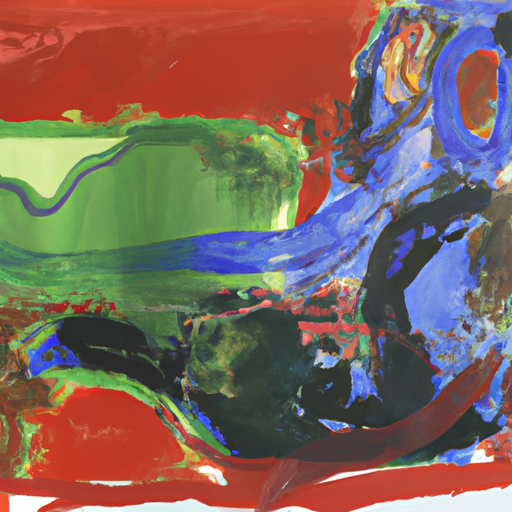
Example of visual style of Georg Baselitz

Georg Baselitz

Georg Baselitz is a German painter and sculptor known for his expressive and figurative style. His visual style emerged in the late 1960s and became famous for his upside-down approach to painting, where he would depict figures and landscapes inverted. This unique technique challenged traditional conventions and created a sense of disorientation and introspection in the viewer. Baselitz's work often explores themes of identity, history, and memory, with a focus on the post-World War II era. His bold and emotive brushwork, along with his provocative subject matter, have made him one of the leading figures in contemporary German art.

View StyleExplore Style
Example of visual style of Neorealism

Neorealism

Neorealism was an artistic and cinematic movement that emerged in the mid-1940s in Italy. It aimed to depict the harsh realities of post-World War II society with a focus on social issues, poverty, and the daily lives of ordinary people. Neorealism became famous for its use of real locations instead of studio sets, non-professional actors, and a documentary-like approach. It had a significant impact on the development of cinema and influenced filmmakers worldwide.

View StyleExplore Style
Home