StylopediaStylopedia

Portraiture styles on Stylopedia

A visual encyclopedia of portraiture styles – use as prompt inspiration for Midjourney, Gemini, or ChatGPT AI when making portraiture images

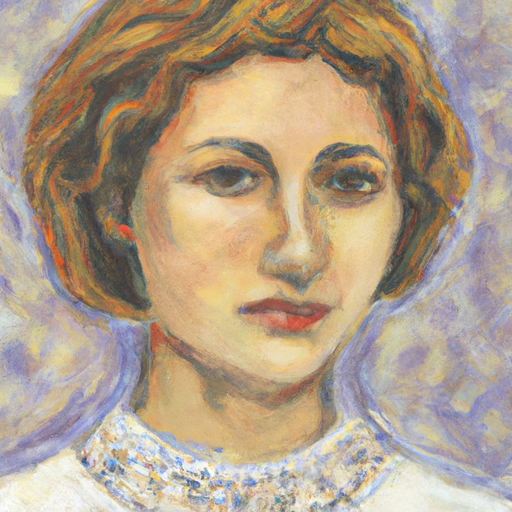
Example of visual style of Hockney

Hockney

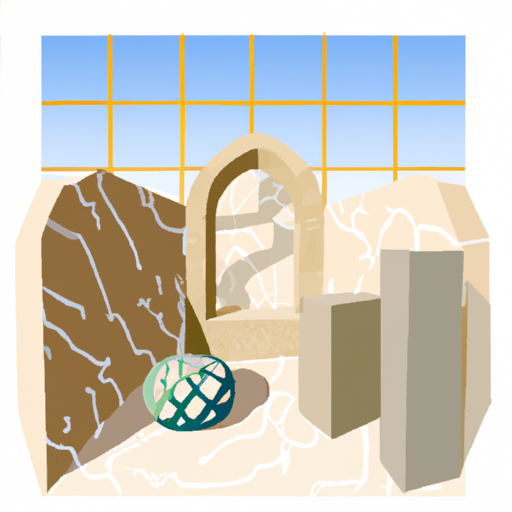
Hockney is a visual style associated with the works of the renowned British artist David Hockney. This style emerged in the 1960s and gained significant recognition during the pop art movement. Hockney became famous for his vivid and colorful paintings, which often incorporated elements of collage and unconventional perspectives. His use of bold and saturated colors, playful compositions, and exploration of light and space contributed to his distinct visual style. Hockney's depictions of swimming pools, landscapes, and portraiture became iconic, representing a vibrant and contemporary expression of art.

View StyleExplore Style
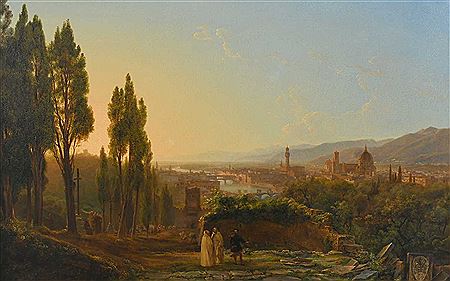
Example of visual style of James Whistler

James Whistler

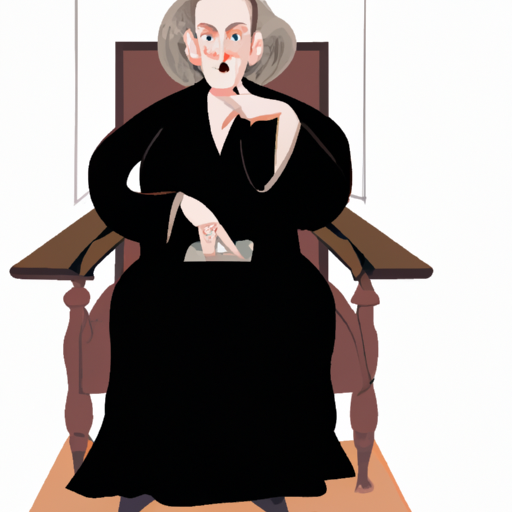
James Whistler was an American artist who was active primarily during the mid-19th to early 20th century. He is best known for his portrait paintings and his refined style characterized by subtle tones and harmonies. Whistler's famous work 'Arrangement in Grey and Black No. 1' (also known as 'Whistler's Mother') brought him great recognition. His visual style emphasized a balance between realism and abstraction, utilizing a limited palette and a delicate approach to detail.

View StyleExplore Style
Example of visual style of Johan Zoffany

Johan Zoffany

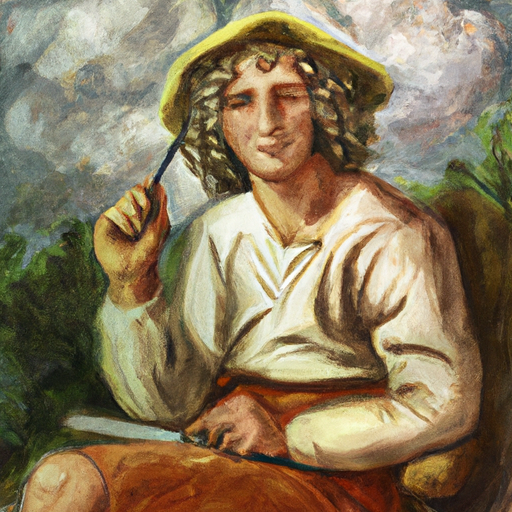
Johan Zoffany was a German-English painter who worked predominantly in England. His visual style, popular during the late 18th century, captured the elegance and grandeur of the Georgian era. Zoffany was known for his skill in portraiture, particularly in capturing the unique personalities of his subjects. His most famous works are his society portraits, depicting aristocrats, notable figures, and their families in lavish settings. Zoffany's attention to detail, vivid use of color, and ability to convey complex narratives in his compositions made him one of the leading portraitists of his time.

View StyleExplore Style
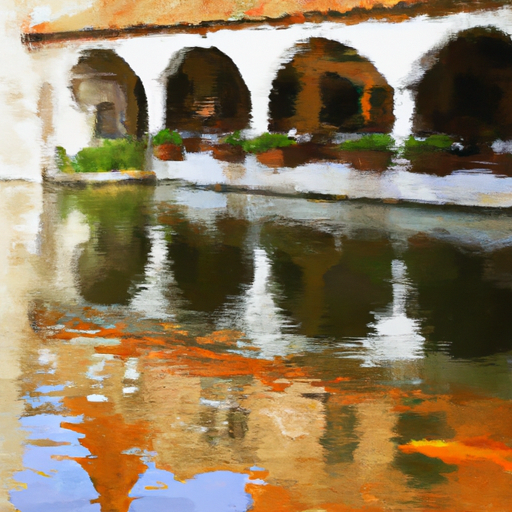
Example of visual style of John Singer Sargent

John Singer Sargent

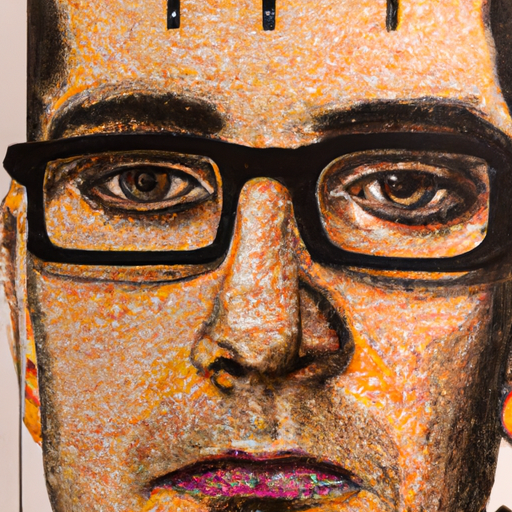
John Singer Sargent was an American artist known for his portraits and figurative paintings. His style was characterized by a blend of realism and impressionism, capturing the essence of his subjects with bold brushwork and a keen eye for detail. Active in the late 19th and early 20th centuries, Sargent's works showcased his mastery of light, color, and composition, often using dramatic lighting effects to create stunning visual impact. His portraits of high society individuals and landscapes gained him fame and recognition as one of the leading portrait painters of his time.

View StyleExplore Style
Example of visual style of Netherlandish Painting

Netherlandish Painting

Netherlandish Painting, also known as Dutch painting, refers to the painting style that emerged in the Netherlands during the 15th and 16th centuries. This style became famous for its attention to detail, realistic portrayal of subjects, and its use of light and shadow. Netherlandish painters were renowned for their meticulous technique and the intricate rendering of textures and landscapes. The works from this period often featured religious themes, as well as genre scenes, still lifes, and portraiture.

View StyleExplore Style
Example of visual style of Northern Renaissance

Northern Renaissance

The Northern Renaissance was an art movement that flourished in Europe during the 15th and 16th centuries. It was characterized by a revival of interest in realism, meticulous attention to detail, and a focus on capturing the intricacies of light and shadow. This period witnessed the emergence of renowned artists like Jan van Eyck, Albrecht Dürer, and Hieronymus Bosch. The Northern Renaissance is famous for its richly detailed and highly symbolic religious artwork, as well as its exploration of secular themes in portraiture and landscapes.

View StyleExplore Style
Home