StylopediaStylopedia

Portrait styles on Stylopedia

A visual encyclopedia of portrait styles – use as prompt inspiration for Midjourney, Gemini, or ChatGPT AI when making portrait images

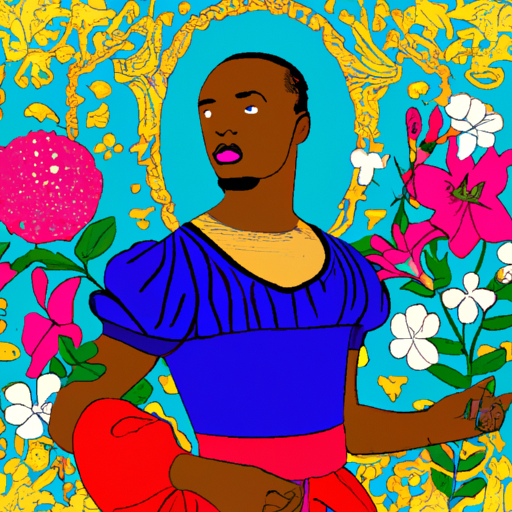
Example of visual style of Amy Sherald

Amy Sherald

Amy Sherald is an American artist known for her distinctive style of portrait painting that features vibrant colors, grayscale skin tones, and a unique combination of realism and abstraction. Her work gained international recognition in 2018 when her portrait of former First Lady Michelle Obama was unveiled at the National Portrait Gallery in Washington, D.C. Sherald's style is influenced by Realism and Postmodernism, and she often explores themes of African American identity, representation, and social justice in her artwork.

View StyleExplore Style
Example of visual style of Annie Leibovitz

Annie Leibovitz

Annie Leibovitz is known for her innovative and imaginative approach to portraiture. Her style emerged in the 1970s and gained fame through her work for Rolling Stone magazine. Leibovitz became renowned for her use of bold colors, dramatic lighting, and creative compositions that captured the essence and personality of her subjects, often celebrities. She produced iconic images that pushed the boundaries of traditional portraiture and became a pioneer in the field of celebrity photography.

View StyleExplore Style
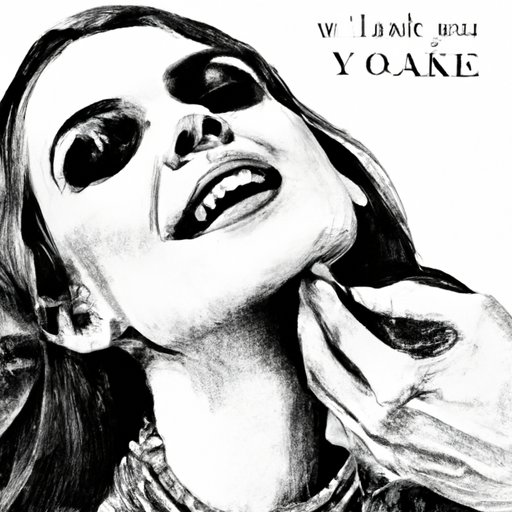
Example of visual style of Bruce Weber

Bruce Weber

Bruce Weber is a fashion and portrait photographer known for his iconic black-and-white images. He gained popularity in the 1980s and 1990s for his distinct style which blended fashion, documentary, and personal photography. Weber's imagery captures a sense of intimacy, often featuring youthful subjects in natural and spontaneous settings. His use of black-and-white photography creates a timeless and nostalgic aesthetic that has become his signature. Weber's work has been widely exhibited and published in fashion magazines, making him one of the most influential photographers of his time.

View StyleExplore Style
Example of visual style of Edouard Antoine Marsal

Edouard Antoine Marsal

Edouard Antoine Marsal was a French painter known for his realistic and detailed portraits. Active during the late 19th and early 20th centuries, Marsal's style was characterized by his attention to minute details, capturing the essence and personality of his subjects. His paintings became famous for their impeccable skill and the emotional depth they conveyed. Marsal's works often depicted prominent individuals, including members of the French aristocracy and high society, which contributed to his popularity and success. Through his meticulous technique and ability to capture the true essence of his subjects, Marsal became one of the leading portrait artists of his time.

View StyleExplore Style
Example of visual style of Hans Holbein The Younger

Hans Holbein The Younger

Hans Holbein the Younger was a German artist and painter who lived during the 16th century. He is best known for his highly detailed and realistic portraits, particularly of the English royal court. Holbein's style was characterized by his meticulous attention to detail, the use of vibrant colors, and a strong emphasis on capturing the likeness and personality of his subjects. His portraits often exuded a sense of dignity and elegance, showcasing the refinement and grandeur of the Renaissance era. His work became famous for its lifelike representation and ability to capture the complex textures and materials of clothing and jewelry. Holbein's style reached its height of popularity during his time in England, where he painted prominent figures such as King Henry VIII and his wives. His meticulous technique and ability to portray individuals with utmost realism made him one of the most renowned portrait artists of his time.

View StyleExplore Style
Example of visual style of Joshua Reynolds

Joshua Reynolds

Joshua Reynolds was an influential English portrait painter during the 18th century. His style is characterized by a classical and formal approach, with a focus on capturing the likeness and personality of his subjects. Reynolds became famous for his ability to elevate portraiture into a refined art form, with his works demonstrating a balance between detailed realism and idealized beauty. His style reached its pinnacle in the 1770s and 1780s, when he served as the first President of the Royal Academy of Arts. Reynolds' artistry and emphasis on portraiture's significance in society played a crucial role in shaping the British art scene of his time.

View StyleExplore Style
Example of visual style of Lu Cong

Lu Cong

Lu Cong is a contemporary portrait artist known for his highly detailed and intimate oil paintings. His visual style is characterized by realistic yet dreamlike renderings of his subjects, capturing their expressions and emotions in a hauntingly beautiful manner. Lu Cong gained recognition in the early 2000s for his ability to evoke a sense of vulnerability and introspection in his portraits, often focusing on the eyes and facial features. His use of soft, muted colors and delicate brushstrokes adds a sense of ethereality and depth to his work. Lu Cong's unique style has garnered him a dedicated following and he has exhibited his paintings in galleries across the world.

View StyleExplore Style
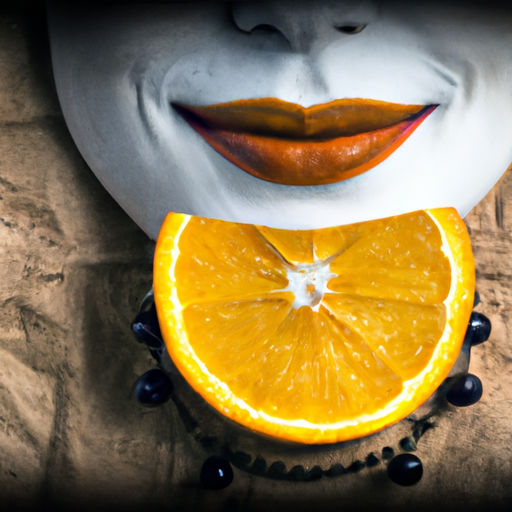
Example of visual style of Mario Testino

Mario Testino

Mario Testino is a fashion and portrait photographer known for his glamorous and vibrant visual style. His work became famous in the 1990s and continues to be influential today. Testino's style is characterized by its high energy, bold colors, and playful compositions. He is known for his ability to capture the beauty and essence of his subjects, and his images exude a sense of luxury and glamour. Testino has worked with numerous fashion brands and celebrities, including Vogue, Burberry, and Madonna, cementing his status as one of the most iconic photographers of our time.

View StyleExplore Style
Example of visual style of Tshsai Sharaku

Tshsai Sharaku

Tshsai Sharaku is a style of woodblock print that emerged in Japan during the late 18th century. It is known for its striking and unconventional portraits of kabuki actors. The style was popular for a brief period, from 1794 to 1795, and then disappeared for nearly two centuries. The distinctive features of Tshsai Sharaku prints are exaggerated facial expressions, exaggerated body proportions, and a focus on capturing the unique characteristics and emotions of the actors. The style gained fame due to its bold and stylized approach to portraiture, and it remains highly regarded in the history of Japanese art.

View StyleExplore Style
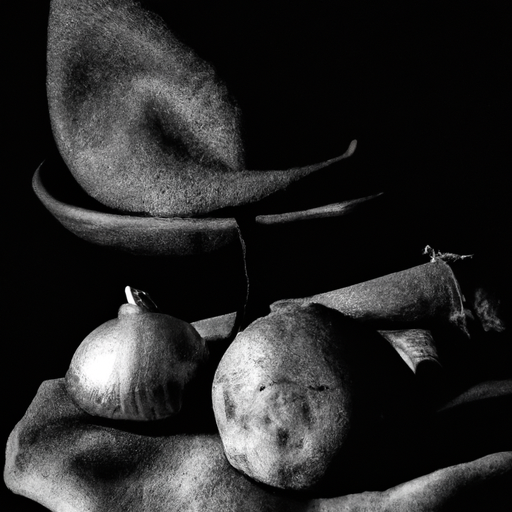
Example of visual style of Wyeth Family

Wyeth Family

Wyeth Family is an American artistic dynasty consisting of three generations of artists: N.C. Wyeth, Andrew Wyeth, and Jamie Wyeth. Active primarily in the 20th century, their style is characterized by a realistic and often melancholic portrayal of rural American life. N.C. Wyeth gained fame as an illustrator, particularly for his illustrations of adventure and historical books, while Andrew Wyeth and Jamie Wyeth focused on painting landscapes, portraits, and still lifes. Their works capture the beauty and solitude of the American countryside, evoking a sense of nostalgia and introspection.

View StyleExplore Style
Home