StylopediaStylopedia

Popular culture styles on Stylopedia

A visual encyclopedia of popular culture styles – use as prompt inspiration for Midjourney, Gemini, or ChatGPT AI when making popular culture images

Example of visual style of Camille Rose Garcia

Camille Rose Garcia

Camille Rose Garcia is known for her dark and whimsical style, often depicting surreal and fantastical scenes with a combination of innocence and darkness. Her art is heavily influenced by fairy tales, vintage cartoons, and popular culture. Garcia gained recognition in the early 2000s, particularly with her illustrations for the book "Alice's Adventures in Wonderland". Her unique style, characterized by vibrant colors, intricate details, and juxtaposition of elements, has since gained a cult following.

View StyleExplore Style
Example of visual style of Claes Oldenburg

Claes Oldenburg

Claes Oldenburg is known for his unique style of Pop Art, which emerged in the 1960s. With a focus on transforming everyday objects into monumental sculptures, Oldenburg challenged traditional notions of art and its subject matter. His work often explores themes of consumerism, popular culture, and the ironies of American society. Oldenburg's fame grew with his large-scale installations like the 'Giant BLT' and 'Clothespin', which showcased his playful and satirical approach to art. His innovative use of materials and exaggerated scale made him a prominent figure in the art world.

View StyleExplore Style
Example of visual style of Gary Hume

Gary Hume

Gary Hume is a contemporary British artist known for his distinctive visual style. He gained prominence in the early 1990s as part of the Young British Artists (YBAs) movement. Hume's style can be characterized by his use of vibrant colors, simplified forms, and high-gloss surfaces. He often creates large-scale paintings that explore themes of identity, beauty, and popular culture. His work has been exhibited worldwide and has had a significant impact on the contemporary art scene.

View StyleExplore Style
Example of visual style of Jeff Koons

Jeff Koons

Jeff Koons is an American artist known for his vibrant and highly polished aesthetic. His visual style emerged in the 1980s and gained widespread recognition for its exploration of popular culture, consumerism, and the boundaries between high and low art. Koons's work often features large-scale sculptures of everyday objects, such as balloon animals, toys, and household items, rendered in materials like stainless steel and porcelain. His art became famous for its playfulness, boldness, and ability to provoke thought and controversy.

View StyleExplore Style
Example of visual style of Neo Pop

Neo Pop

Neo Pop is a visual style that emerged in the late 20th century and gained popularity in the 1980s. It is a continuation of the Pop Art movement with a contemporary twist. This style is characterized by bright and vibrant colors, bold and graphic imagery, and a fusion of popular culture references. Neo Pop became famous for its incorporation of elements from popular media, consumerism, and advertising. It often criticizes the mass-produced nature of modern society while celebrating the icons and symbols of popular culture. Some important years for Neo Pop include the 1980s and 1990s when it gained mainstream recognition and influenced various artistic fields such as painting, sculpture, and design.

View StyleExplore Style
Example of visual style of Richard Hamilton

Richard Hamilton

Richard Hamilton was a British artist and pioneer of Pop Art. His visual style is characterized by a combination of popular culture imagery, consumerism, and a sense of irony. His work emerged in the 1950s and 1960s and played a significant role in popularizing the Pop Art movement, which challenged traditional artistic conventions by incorporating commercial and mass-produced imagery. Hamilton's use of collage, appropriation, and innovative printmaking techniques made his work stand out and gain international fame.

View StyleExplore Style
Example of visual style of Rock Music

Rock Music

Rock music is a genre that originated in the 1950s and gained popularity in the 1960s. It is characterized by its loud, energetic, and rebellious sound, often featuring electric guitars, drums, and powerful vocals. The genre became famous for its iconic artists such as Elvis Presley, The Beatles, Led Zeppelin, and Pink Floyd. With its roots in blues, country, and R&B, rock music revolutionized the music industry and became a symbol of youth rebellion and counter-culture during the 1960s. It has since evolved into various subgenres, but its impact on popular culture remains significant.

View StyleExplore Style

Example of visual style of The Brothers Hildebrandt

The Brothers Hildebrandt

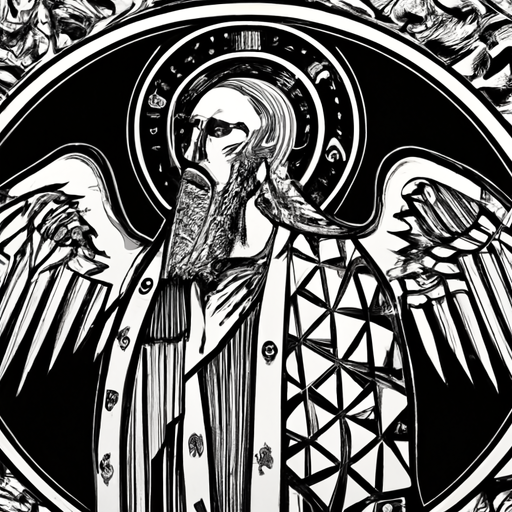
The Brothers Hildebrandt was a visual style popularized in the 1970s by American artists Greg and Tim Hildebrandt. Their style is characterized by its richly detailed and vividly colored illustrations, often depicting scenes from fantasy literature and popular culture. The Hildebrandt brothers gained fame for their iconic artwork for J.R.R. Tolkien's 'The Lord of the Rings' trilogy and their numerous contributions to the 'Star Wars' universe. Their unique blend of realism, fantasy, and narrative storytelling captivated audiences and left a lasting impact on the world of illustration.

View StyleExplore Style
Example of visual style of Us Weekly

Us Weekly

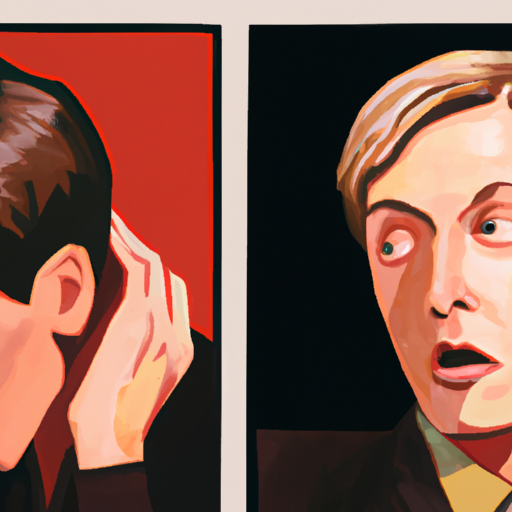
Us Weekly is a visually appealing and vibrant tabloid-style magazine primarily focused on celebrity news and popular culture. It gained immense popularity in the early 2000s, becoming a go-to source for the latest celebrity gossip, exclusive interviews, and paparazzi photographs. This style is known for its bold and colorful layout, glossy pages, and eye-catching typography. The magazine's iconic logo and striking cover designs have contributed to its fame and recognition.

View StyleExplore Style
Home