StylopediaStylopedia

Pop culture styles on Stylopedia

A visual encyclopedia of pop culture styles – use as prompt inspiration for Midjourney, Gemini, or ChatGPT AI when making pop culture images

Example of visual style of Andre Saraiva

Andre Saraiva

Andre Saraiva is a graffiti artist and nightclub owner. His visual style is characterized by vibrant, bold colors and whimsical, cartoon-like characters. He rose to fame in the early 2000s as a prominent figure in the Parisian nightlife scene, known for his graffiti tags and iconic Mr. A character. Saraiva's style combines street art with a playful, childlike aesthetic, often incorporating elements of pop culture. His work can be found in various cities around the world and has become synonymous with urban art and nightlife.

View StyleExplore Style
Example of visual style of Archigram

Archigram

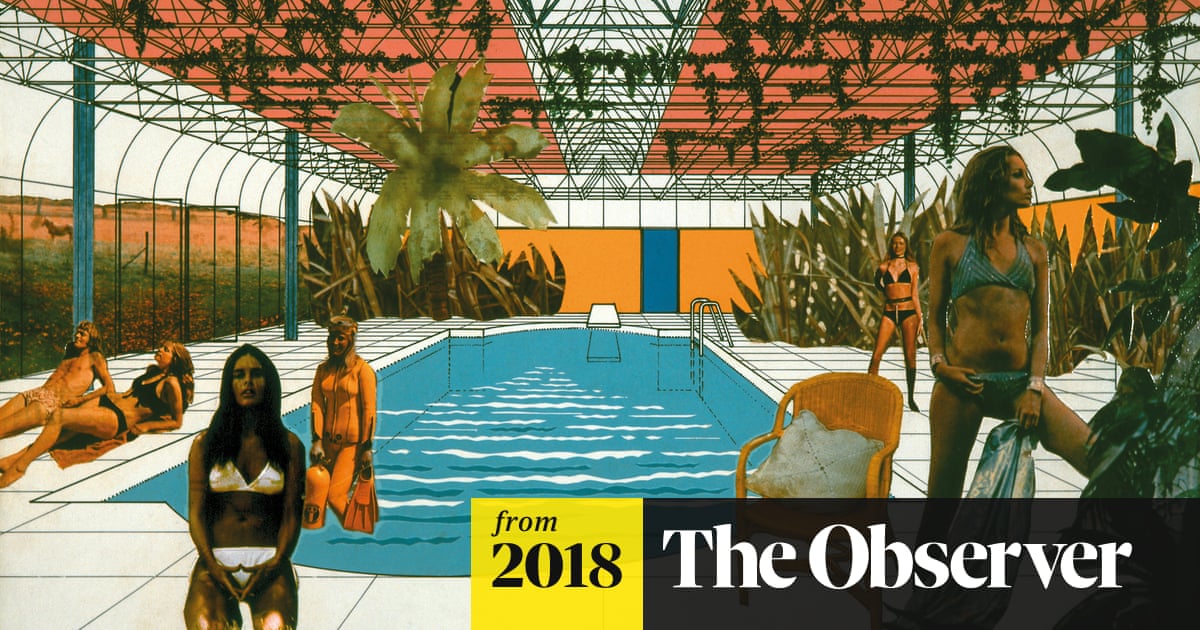
Archigram is an avant-garde architectural design collective that was active during the 1960s. Known for their imaginative and futuristic proposals, Archigram pushed the boundaries of traditional architecture and embraced technology, pop culture, and science fiction influences. The group gained fame for their iconic projects such as the Walking City and Plug-in City, which envisioned mobile and adaptable environments that could be disassembled and reconfigured. Archigram's style captured the spirit of the '60s counterculture and embraced the emerging digital age, making them pioneers in the field of speculative and conceptual architecture.

View StyleExplore Style
Example of visual style of Blondie

Blondie

Blondie is a visual style that emerged in the late 1970s and gained popularity throughout the 1980s. It is characterized by a blend of new wave and punk rock aesthetics, with an emphasis on vibrant colors, edgy fashion, and a rebellious attitude. Blondie, the American rock band fronted by Debbie Harry, played a significant role in popularizing this style through their music and iconic album covers. The style became famous for its bold and eclectic mix of influences, creating a unique fusion of punk, disco, and pop culture.

View StyleExplore Style
Example of visual style of Dan Luvisi

Dan Luvisi

Dan Luvisi is an American illustrator and concept artist known for his dark and gritty visual style. His style is characterized by hyper-realistic and heavily detailed digital paintings often depicting well-known pop culture characters in a twisted and dystopian manner. Luvisi gained fame with his series 'LMS: Killbook of a Bounty Hunter', a graphic novel that gained a cult following and showcased his unique style. His art has garnered attention and praise for its dark and edgy portrayals of popular characters and for pushing boundaries in the genre. Luvisi's style became famous in the mid-2000s and continues to be influential in the digital art community.

View StyleExplore Style
Example of visual style of David LaChapelle

David LaChapelle

David LaChapelle is a renowned American photographer known for his hyper-realistic and surrealistic style. His career began in the 1980s when he moved to New York City and started working for Andy Warhol's Interview magazine. LaChapelle's style became famous for its vibrant colors, bold compositions, and larger-than-life subjects. His photographs often combine pop culture references, religious imagery, and themes of glamour and consumerism. LaChapelle's work gained widespread recognition in the 1990s and early 2000s, with his iconic celebrity portraits and groundbreaking editorial campaigns.

View StyleExplore Style
Example of visual style of Friends

Friends

The visual style of Friends emerged in the 1990s and gained popularity throughout its ten-year run from 1994 to 2004. It is known for its warm, vibrant, and playful aesthetic, reflecting the lives and friendships of the main characters. The style is characterized by its bright and bold colors, cozy and eclectic interiors, and fashion trends of the era. With its relatable humor and engaging storytelling, Friends became a cultural phenomenon, influencing fashion, interior design, and popular culture.

View StyleExplore Style
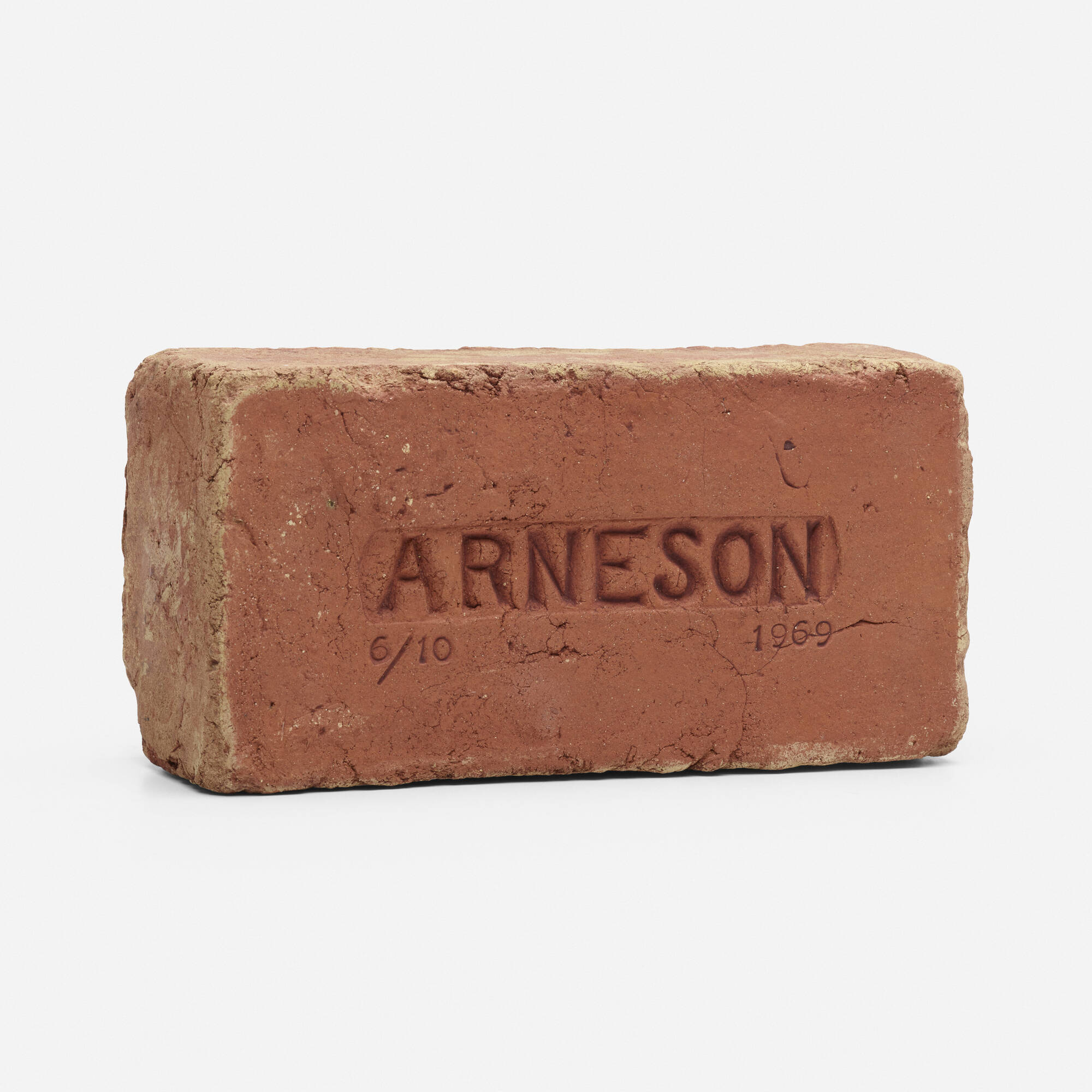
Example of visual style of Hideki Naganuma

Hideki Naganuma

Hideki Naganuma is a Japanese graphic designer and music composer known for his unique and vibrant visual style that emerged in the late 1990s and became famous during the early 2000s. Naganuma's style is characterized by its bold and colorful designs, influenced by urban and graffiti art, as well as video game and pop culture references. His work often features a fusion of retro and futuristic elements, with a strong emphasis on energetic and dynamic compositions. Naganuma gained prominence for his collaborations with Sega, where he contributed his distinctive visual style to video games like Jet Set Radio and the Sonic Rush series.

View StyleExplore Style
Example of visual style of Kate Spade

Kate Spade

The Kate Spade visual style is known for its bold and vibrant designs, characterized by bright colors, whimsical patterns, and playful prints. It emerged in the early 1990s and was made famous for its ability to capture the essence of New York City's lively and eclectic fashion scene. The style embraces classic silhouettes with a modern twist, combining sophistication and quirkiness. Kate Spade's designs exude a sense of fun and youthful energy, often incorporating elements of pop culture and nostalgic references. This visual style has become synonymous with chic and contemporary fashion.

View StyleExplore Style
Example of visual style of Kaws

Kaws

Kaws is a contemporary visual style that emerged in the early 2000s. It gained fame through the unique combination of pop culture references, bold colors, and the use of iconic characters. Kaws, also known as Brian Donnelly, rose to prominence as a street artist in the 1990s while working as a designer for streetwear brand Nigo's A Bathing Ape. His distinct style became recognized for its recognizable characters, such as his reimagined versions of iconic cartoons like Mickey Mouse and The Simpsons. Kaws's style is often characterized by clean lines, exaggerated features, and a sense of urban playfulness. His work seamlessly blends elements of street art, illustration, and sculpture.

View StyleExplore Style
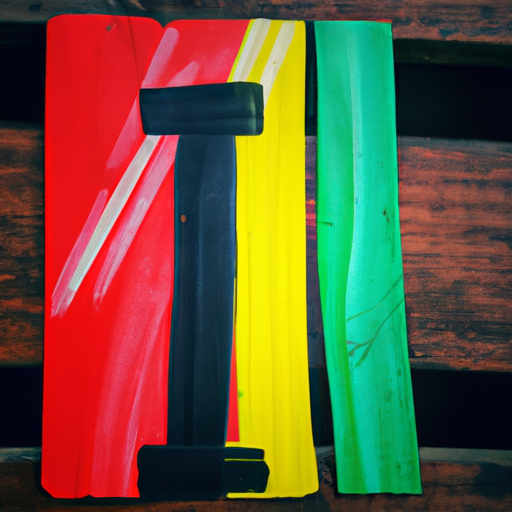
Example of visual style of Marc Hagan Guirey

Marc Hagan Guirey

Marc Hagan Guirey is best known for his unique and intricate paper-cut artwork. This style emerged in the early 2010s and gained popularity for its attention to detail and creativity. Guirey's work often features iconic landmarks, characters, and scenes from popular culture, meticulously crafted through the process of paper cutting. His talent in transforming simple sheets of paper into intricate and visually striking compositions made this style famous within the art and design community.

View StyleExplore Style
Example of visual style of Mark Ryden

Mark Ryden

Mark Ryden is an American painter and one of the prominent figures in the Pop Surrealism movement. His style combines elements of pop culture, old master techniques, and surrealism to create intricate and detailed paintings. Ryden's work gained significant attention in the early 2000s for its juxtaposition of innocence and darkness, often featuring young girls with enigmatic expressions surrounded by whimsical and macabre imagery. His attention to detail, use of soft colors, and meticulous craftsmanship have made him famous in the art world.

View StyleExplore Style
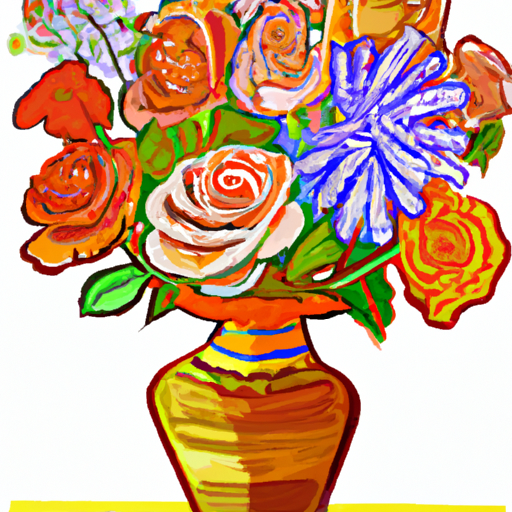
Example of visual style of Paul Robertson

Paul Robertson

The Paul Robertson visual style is characterized by pixel art with vibrant colors, intricate details, and a distinctive 8-bit aesthetic. It gained popularity in the early 2000s and has become famous for its nostalgic homage to retro video games and anime. Robertson's work showcases a meticulous attention to detail, often featuring complex animations and references to pop culture. His style has influenced many contemporary pixel artists and has become synonymous with the pixel art revival.

View StyleExplore Style
Example of visual style of Quentin Tarantino

Quentin Tarantino

Quentin Tarantino's visual style is characterized by its bold and vibrant use of colors, intense violence, nonlinear storytelling, and homage to various genres. His films often include references to pop culture, exploitation cinema, and spaghetti westerns. Tarantino rose to fame in the 1990s with movies like Pulp Fiction (1994) and Reservoir Dogs (1992), which showcased his unique style and storytelling techniques. The combination of his distinctive visual style and unconventional narratives made Tarantino a household name in the world of cinema.

View StyleExplore Style
Example of visual style of Ray Gun Magazine

Ray Gun Magazine

Ray Gun Magazine was a visually striking and innovative music and pop culture magazine that gained popularity in the 1990s. Renowned for its provocative and experimental design, Ray Gun revolutionized the way magazines were perceived and created. It was founded in 1992 by art director David Carson, who became famous for his unconventional approach to typography and layout. The magazine was known for its chaotic yet cohesive design, combining bold and unpredictable typography, vibrant colors, and juxtaposed images. Ray Gun Magazine pushed the boundaries of traditional graphic design, inspiring a new generation of designers and influencing the visual style of the era.

View StyleExplore Style
Example of visual style of Retro Design

Retro Design

Retro Design refers to a visual style inspired by past eras, particularly the 1950s to 1970s. It embraces nostalgia and pays homage to the styles, trends, and aesthetics of those decades. Retro Design became famous for its vibrant color palettes, bold patterns, and futuristic elements. It drew influence from mid-century modern design, space-age aesthetics, and pop culture of the time. This style became iconic due to its ability to capture the essence of a bygone era and evoke a sense of nostalgia.

View StyleExplore Style

Example of visual style of Richard Prince

Richard Prince

Richard Prince is an American artist known for his appropriation of existing images and recontextualization of mass media. He rose to prominence in the 1980s by rephotographing Marlboro cigarette advertisements and later by creating his own artwork inspired by popular culture and consumerism. Prince's work explores themes of identity, authenticity, and the role of images in society. His use of appropriation and recontextualization has made him famous for challenging traditional notions of authorship and originality in art.

View StyleExplore Style
Home