StylopediaStylopedia

Pop art styles on Stylopedia

A visual encyclopedia of pop art styles – use as prompt inspiration for Midjourney, Gemini, or ChatGPT AI when making pop art images

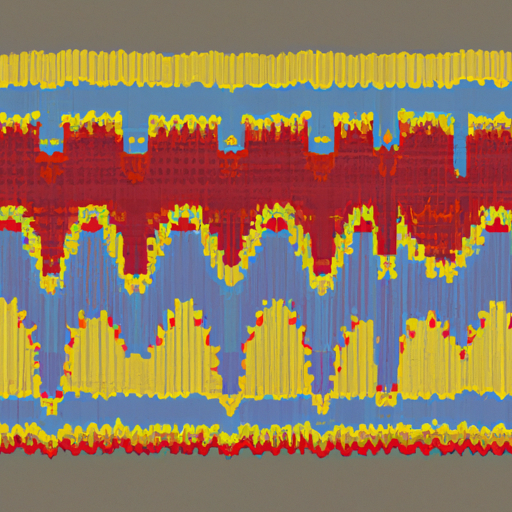
Example of visual style of Claes Oldenburg

Claes Oldenburg

Claes Oldenburg is known for his unique style of Pop Art, which emerged in the 1960s. With a focus on transforming everyday objects into monumental sculptures, Oldenburg challenged traditional notions of art and its subject matter. His work often explores themes of consumerism, popular culture, and the ironies of American society. Oldenburg's fame grew with his large-scale installations like the 'Giant BLT' and 'Clothespin', which showcased his playful and satirical approach to art. His innovative use of materials and exaggerated scale made him a prominent figure in the art world.

View StyleExplore Style

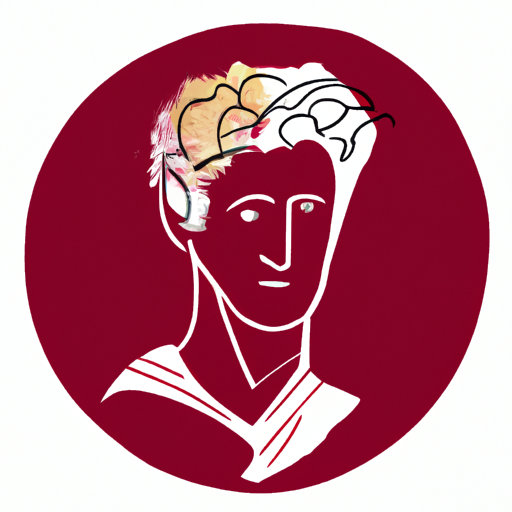
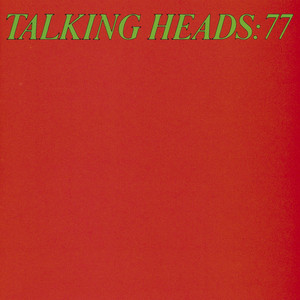
Example of visual style of David Byrne

David Byrne

The visual style of David Byrne is characterized by its bold, eclectic and unconventional nature. It emerged in the late 1970s and gained prominence during the 1980s. Known for his work as a musician, artist, and performer, David Byrne's visual style became famous through his collaborations with various artists and designers. Byrne's style is a fusion of avant-garde, post-punk, and pop art, incorporating elements of surrealism and minimalism. His use of vibrant colors, geometric patterns, and the juxtaposition of seemingly unrelated objects create visually captivating and thought-provoking compositions. This style gained a significant following due to its innovative and boundary-pushing approach to visual expression.

View StyleExplore Style

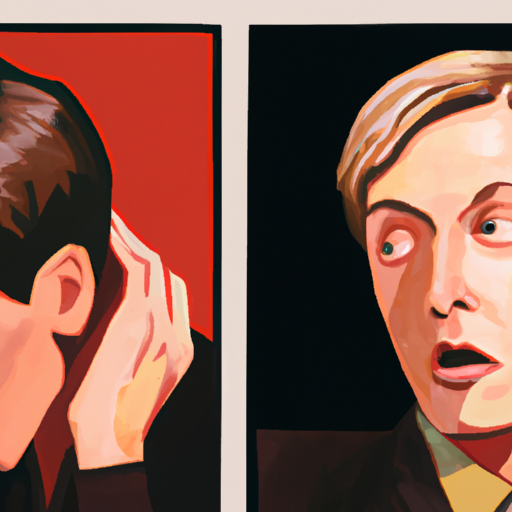
Example of visual style of David Hockney

David Hockney

David Hockney is an English painter, printmaker, and photographer known for his vibrant and colorful artworks. He emerged as a significant figure in the British Pop Art movement in the 1960s. Hockney's style is characterized by a unique blend of representation and abstraction, often using bold and bright colors to capture the essence of his subjects. His works have become famous for their exploration of space, perspective, and the use of collage. Hockney's most renowned works include his swimming pool paintings, double portraits, and landscapes. He continues to be a prominent and influential figure in the contemporary art world.

View StyleExplore Style
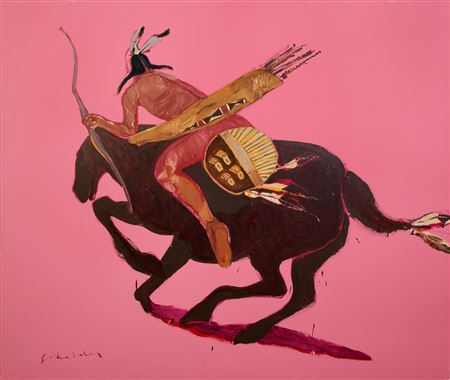
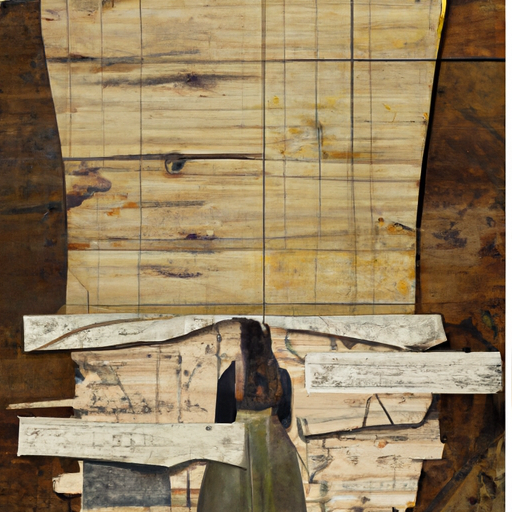
Example of visual style of Elio Fiorucci

Elio Fiorucci

Elio Fiorucci was an Italian fashion designer known for his colorful and innovative designs. He gained popularity in the 1960s and 1970s for his iconic 'Unisex' concept, which emphasized freedom, experimentation, and gender neutrality. Fiorucci's style became famous for its vibrant colors, playful patterns, and use of unconventional materials such as plastic, vinyl, and stretch fabrics. His designs were often characterized by a mix of pop art, street fashion, and disco influences, reflecting the vibrant and eclectic spirit of the era.

View StyleExplore Style
Example of visual style of Harumi Yamaguchi

Harumi Yamaguchi

Harumi Yamaguchi is a Japanese artist known for her distinctive style of illustration characterized by bold lines, vibrant colors, and exaggerated proportions. Her work gained popularity in the 1970s and 1980s, particularly through her illustrations for the Japanese magazine, Unijisushi. Yamaguchi's illustrations often portrayed glamorous women in powerful and seductive poses, capturing the essence of the 70s and 80s feminist movements. Her unique style, combining elements of pop art and fashion illustration, made her famous for her ability to capture the spirit of the era with a sense of boldness and sensuality.

View StyleExplore Style
Example of visual style of Hockney

Hockney

Hockney is a visual style associated with the works of the renowned British artist David Hockney. This style emerged in the 1960s and gained significant recognition during the pop art movement. Hockney became famous for his vivid and colorful paintings, which often incorporated elements of collage and unconventional perspectives. His use of bold and saturated colors, playful compositions, and exploration of light and space contributed to his distinct visual style. Hockney's depictions of swimming pools, landscapes, and portraiture became iconic, representing a vibrant and contemporary expression of art.

View StyleExplore Style

Example of visual style of Jasper Johns

Jasper Johns

Jasper Johns is an American artist known for his pioneering work in Pop Art and Neo-Dadaism. His visual style emerged in the 1950s and became widely recognized in the 1960s. Johns is famous for his use of familiar and iconic images, such as flags, targets, and numbers, imbued with personal and symbolic meaning. He often employed techniques like stenciling, collage, and encaustic, creating textured surfaces that added depth to his paintings. Johns aimed to challenge the distinction between fine art and everyday objects, questioning the concept of originality and the role of the artist. His bold and vibrant works have had a lasting impact on the art world.

View StyleExplore Style
Example of visual style of Jim Steranko

Jim Steranko

Jim Steranko's visual style emerged in the 1960s and became famous for its dynamic and innovative approach to comic book art. His work is characterized by bold compositions, striking use of black and white, intricate linework, and a combination of pop art and psychedelic influences. Steranko's style revolutionized the comic book medium and influenced future artists with his experimental storytelling techniques, such as panel compositions, unconventional perspectives, and cinematic storytelling. He gained prominence for his work on Marvel Comics' Nick Fury: Agent of S.H.I.E.L.D. during 1966-1967. Steranko's visual style played a significant role in the Silver Age of comics and remains influential to this day.

View StyleExplore Style
Example of visual style of Karen Hill

Karen Hill

Karen Hill is a visual style that emerged in the late 1980s and gained popularity in the 1990s. This style is characterized by its vibrant and bold colors, geometric shapes, and a mix of contemporary and retro elements. It draws inspiration from the Memphis design movement of the 1980s and incorporates elements of pop art and postmodernism. Karen Hill became famous for its visually striking and unmistakable aesthetic that captured the essence of the pop culture of the era.

View StyleExplore Style

Example of visual style of Malcolm Mclaren

Malcolm Mclaren

Malcolm Mclaren was a prominent figure in the British punk and new wave scene during the late 1970s and early 1980s. He gained fame as the manager of the Sex Pistols, a controversial punk rock band. Mclaren's visual style was characterized by a mix of punk, DIY aesthetics, and elements of pop art. He incorporated bright colors, bold graphics, and provocative imagery into his designs, often challenging societal norms and conventions. Mclaren's innovative and boundary-pushing approach to visual style made him a key figure in shaping the punk subculture and influencing subsequent generations of musicians, artists, and designers.

View StyleExplore Style
Example of visual style of Peter Blake

Peter Blake

Peter Blake is a British pop artist known for his vibrant and eclectic visual style. His style emerged in the 1960s, during the height of the pop art movement. Blake became famous for his collage works, which typically featured a combination of popular imagery, such as advertisements, photographs, and comic book illustrations. His collages often incorporated elements of nostalgia, with references to popular culture icons and historical figures. Blake's style is characterized by bold colors, graphic compositions, and a sense of playfulness. He gained widespread recognition for designing the cover of The Beatles' album, 'Sgt. Pepper's Lonely Hearts Club Band' in 1967.

View StyleExplore Style

Example of visual style of Pierre Et Gilles

Pierre Et Gilles

Pierre et Gilles is a collaborative artist duo consisting of Pierre Commoy and Gilles Blanchard. This visual style emerged in the 1970s and became famous for their unique blend of photography and painting. Their works often feature highly stylized portraits of celebrities and everyday individuals, combining elements of pop art, kitsch, and homoeroticism. Pierre et Gilles gained recognition in the 1980s for their vibrant and meticulously staged compositions that challenge traditional notions of beauty and gender, exploring themes of desire, religion, and mythology.

View StyleExplore Style

Example of visual style of Richard Hamilton

Richard Hamilton

Richard Hamilton was a British artist and pioneer of Pop Art. His visual style is characterized by a combination of popular culture imagery, consumerism, and a sense of irony. His work emerged in the 1950s and 1960s and played a significant role in popularizing the Pop Art movement, which challenged traditional artistic conventions by incorporating commercial and mass-produced imagery. Hamilton's use of collage, appropriation, and innovative printmaking techniques made his work stand out and gain international fame.

View StyleExplore Style
Example of visual style of Robert Rauschenberg

Robert Rauschenberg

Robert Rauschenberg was an American artist known for his innovative and interdisciplinary approach to art. His style emerged in the 1950s and became famous for its combination of various mediums, such as painting, printmaking, photography, and sculpture. Rauschenberg's style challenged traditional notions of art by incorporating found objects, everyday materials, and collage techniques into his work. He is recognized for his significant contributions to Pop Art and Neo-Dada movements. Rauschenberg's artistic style was characterized by experimentation, improvisation, and the blurring of boundaries between different artistic disciplines.

View StyleExplore Style
Example of visual style of Sigmar Polke

Sigmar Polke

Sigmar Polke was a German painter known for his unconventional and experimental approach to art. His style emerged in the 1960s and became prominent in the following decades. Polke's work combined elements of Pop Art, Minimalism, and Conceptual Art. He often incorporated found images, newspaper prints, and unconventional materials into his paintings. His use of vibrant colors, juxtaposition of contrasting elements, and layering techniques became his signature. Sigmar Polke's style challenged traditional artistic conventions and explored themes of consumerism, politics, and social critique. His ability to blend different visual styles and techniques made him famous for his innovative and influential contributions to contemporary art.

View StyleExplore Style
Home