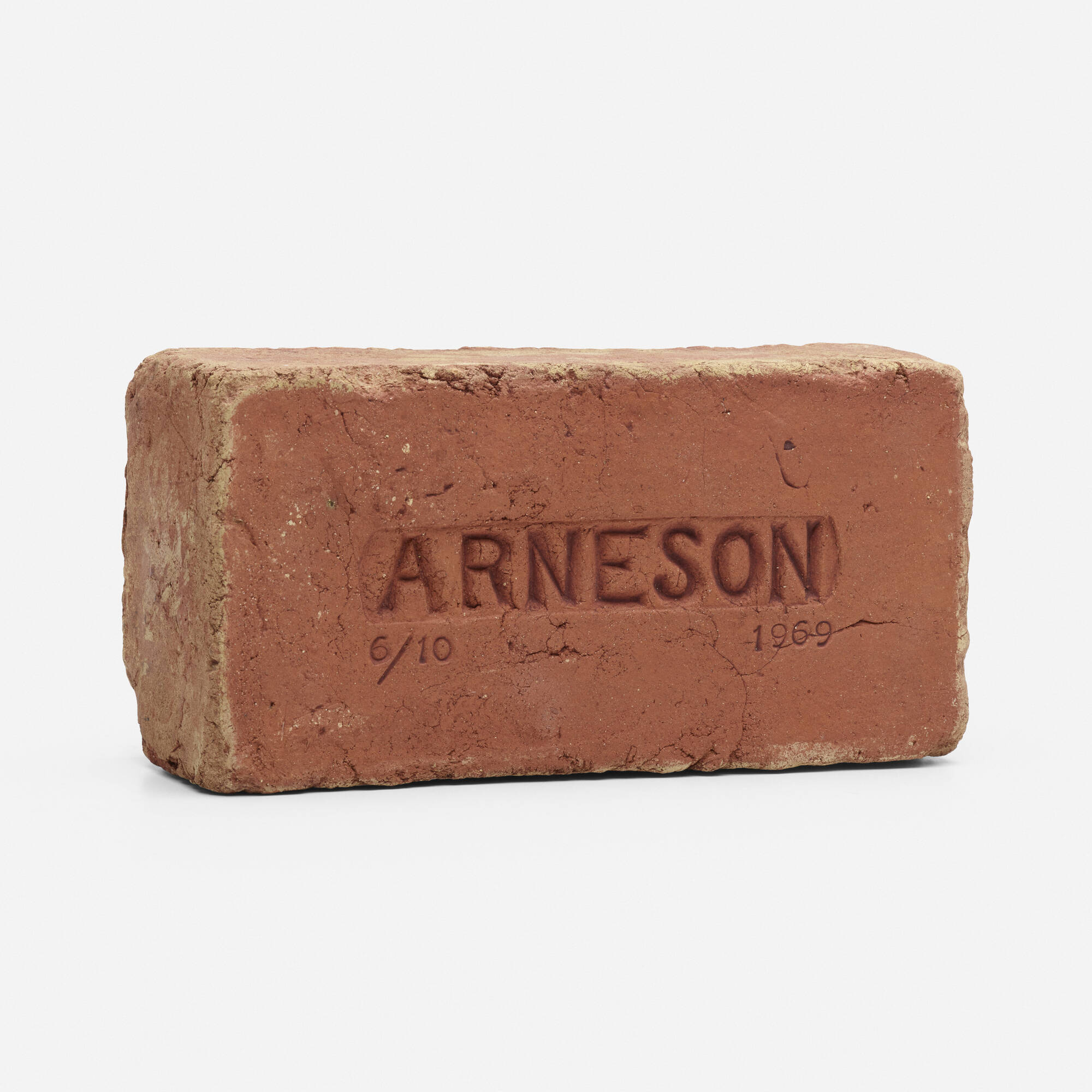
Robert Arneson
Robert Arneson was a pioneer of the ceramic sculpture movement in the 1960s. He is known for his whimsical and satirical self-portraits, often incorporating pop culture references and political commentary.
View StyleExplore Style Stylopedia
A visual encyclopedia of political commentary styles – use as prompt inspiration for Midjourney, Gemini, or ChatGPT AI when making political commentary images
Robert Arneson was a pioneer of the ceramic sculpture movement in the 1960s. He is known for his whimsical and satirical self-portraits, often incorporating pop culture references and political commentary.
View StyleExplore Style
Denys Arcand is known for his naturalistic and realistic visual style in filmmaking. His work often features authentic-looking settings and characters, focusing on social and political commentary. Arcand gained fame for his films in the 1980s and 1990s that captured the essence of Quebec society.
View StyleExplore Style
Jonathan Swift was an Irish satirist known for his political writings and sharp wit in the early 18th century. His style is characterized by detailed and exaggerated portrayals of human behavior and societal issues.
View StyleExplore Style
Moscow Conceptualism was a prominent art movement in the Soviet Union during the 1970s and 1980s, characterized by its subversive, philosophical, and satirical commentary on Soviet society and politics.
View StyleExplore Style
Robert Del Naja is a British visual artist known for his graffiti-influenced style that combines elements of street art and pop culture. His work gained popularity in the 1990s for its political commentary and use of stencils.
View StyleExplore Style
Tony Richardson was a British film director known for his gritty and realistic style of filmmaking in the 1960s. His work often featured social issues and political commentary, with a focus on working-class characters and everyday struggles.
View StyleExplore Style