StylopediaStylopedia

Poetic styles on Stylopedia

A visual encyclopedia of poetic styles – use as prompt inspiration for Midjourney, Gemini, or ChatGPT AI when making poetic images

Example of visual style of Chris Doyle

Chris Doyle

Chris Doyle is a visual stylist known for his poetic and dreamlike cinematography. His work is characterized by bold use of color, dramatic lighting, and innovative camera techniques. Doyle rose to prominence in the 1990s, working extensively with directors like Wong Kar-wai and Zhang Yimou, and his distinctive style became synonymous with the Asian film aesthetic. His collaborations with Wong Kar-wai on films such as 'Chungking Express' (1994) and 'In the Mood for Love' (2000) brought him international recognition and critical acclaim.

View StyleExplore Style
Example of visual style of Christopher Doyle

Christopher Doyle

Christopher Doyle is a renowned cinematographer known for his visually stunning and poetic style. He gained prominence in the 1990s through his collaboration with Wong Kar-wai on films like Chungking Express and In the Mood for Love. Doyle is known for his use of vibrant colors, unconventional camera angles, and kinetic camera movements, which create a dreamlike and atmospheric visual experience. His distinctive style often captures the urban landscapes of Hong Kong in a way that highlights the beauty and chaos of the city. Doyle's work has significantly influenced the world of cinematography and has made him a celebrated figure in the film industry.

View StyleExplore Style
Example of visual style of Giorgio Morandi

Giorgio Morandi

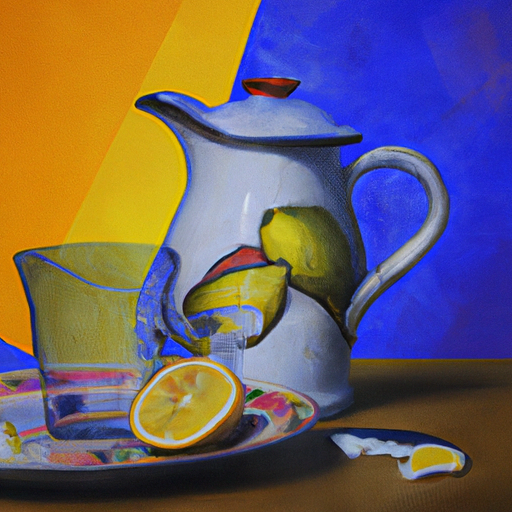
Giorgio Morandi was an Italian painter known for his distinctive still life compositions. His style emerged in the early 20th century and reached its peak during the 1930s and 1940s. Morandi's work is characterized by muted colors, blurred edges, and a meticulous attention to detail. His paintings predominantly feature simple objects such as bottles, vases, and bowls arranged in carefully balanced compositions. Morandi's ability to capture the essence of these mundane objects and infuse them with a sense of poeticism made his work famous and highly regarded in the art world.

View StyleExplore Style
Example of visual style of Marc Chagall

Marc Chagall

Marc Chagall was a prominent artist known for his unique style that combined elements of Surrealism, Cubism, and Fauvism. Active during the early 20th century, Chagall's work became famous for its dreamlike and poetic imagery. His use of vibrant colors, floating objects, and distorted perspectives created a sense of fantasy and whimsy in his paintings. Chagall's distinctive style gained recognition for its ability to evoke emotions and capture the imagination of viewers.

View StyleExplore Style
Example of visual style of Maurice Denis

Maurice Denis

Maurice Denis was a French painter and writer, and a leading figure in the Nabis artistic movement. His visual style, developed during the late 19th and early 20th centuries, is characterized by a decorative and symbolic approach to painting. He focused on using bold colors and flat, simplified forms, often incorporating elements of nature, religious symbolism, and everyday life. Denis believed that art should be accessible to everyone, and he aimed to create harmonious and poetic compositions that evoked emotion and spirituality. He became famous for his works such as 'The Green Trees', 'The Bathers', and 'Homage to Cézanne'.

View StyleExplore Style
Example of visual style of Sei Shonagon

Sei Shonagon

Sei Shonagon was a Japanese author and the renowned author of 'The Pillow Book' during the Heian period (794-1185). This style is known for its poetic and elegant depiction of courtly life, capturing the customs, emotions, and aesthetics of the time. The Pillow Book, written around the year 1000, was a collection of anecdotes, observations, and musings on various aspects of court life, including fashion, literature, nature, and social interactions. Sei Shonagon's keen eye for detail and her ability to vividly describe scenes made this style famous and have since influenced numerous other literary works.

View StyleExplore Style
Example of visual style of Terrence Malick

Terrence Malick

Terrence Malick's visual style is known for its poetic and contemplative approach to storytelling. He gained prominence in the 1970s with films like 'Badlands' and 'Days of Heaven', which featured stunning cinematography and ethereal narratives. Malick's use of natural light, wide-angle lenses, and extensive nature shots became his signature. These techniques, combined with minimalistic dialogue and a non-linear narrative structure, created a dreamlike atmosphere in his films. His later works, such as 'The Thin Red Line' and 'The Tree of Life', continued to solidify his reputation as one of the most visually distinctive directors of his generation.

View StyleExplore Style
Example of visual style of Tokujin Yoshioka

Tokujin Yoshioka

Tokujin Yoshioka is a Japanese designer known for his minimalist and ethereal style that seamlessly combines art and design. His work is characterized by its poetic and delicate qualities, often utilizing natural materials and light to create a sense of tranquility and wonder. Yoshioka rose to prominence in the 2000s with his innovative and cutting-edge designs for various industries, including architecture, furniture, and fashion. His famous projects include the 'Honey-Pop' chair (2001), 'Water Block' installation (2006), and the 'Fragrance' exhibition at the Museum of Contemporary Art, Tokyo (2012). With his unique vision and ability to push boundaries, Tokujin Yoshioka has become a leading figure in contemporary design.

View StyleExplore Style
Example of visual style of Uemura Shoen

Uemura Shoen

Uemura Shoen was a prominent Japanese painter known for her elegant and poetic style. Active during the late 19th and early 20th centuries, Shoen's art gained fame for its unique representation of traditional Japanese beauty, particularly of women. Her style was characterized by graceful brushwork, delicate colors, and attention to intricate details. Shoen's paintings often depicted historical and mythological themes, capturing the essence of Japan's cultural heritage. She became famous for her series of bijinga, or paintings of beautiful women, which showcased a fusion of traditional and modern elements. These captivating artworks made Shoen one of the most notable female artists in Japanese history.

View StyleExplore Style
Example of visual style of Wim Wenders

Wim Wenders

The Wim Wenders visual style is characterized by its poetic and contemplative approach to storytelling, capturing the essence of the human condition. Wenders rose to prominence in the 1970s and 1980s with films such as 'Wings of Desire' and 'Paris, Texas', which showcased his unique visual language. Known for his use of wide-angle lenses, long takes, and atmospheric landscapes, Wenders created a distinct visual aesthetic that merges elements of realism and surrealism. His work often explores themes of loneliness, longing, and the search for identity, creating a dreamlike atmosphere that resonates with audiences worldwide.

View StyleExplore Style
Example of visual style of Yamamoto Shunkyo

Yamamoto Shunkyo

Yamamoto Shunkyo is a Japanese visual style that emerged in the late 19th century and remained influential until the early 20th century. It is characterized by its delicate and graceful depictions of nature, particularly landscapes and flowers. Shunkyo's work is known for its vibrant colors, intricate details, and exquisite use of traditional Japanese painting techniques, such as ink washes, fine lines, and meticulous brushstrokes. His style gained fame for its romantic and poetic interpretations of nature, capturing the ephemeral beauty of the changing seasons. Yamamoto Shunkyo's visual style became famous for its fusion of traditional Japanese aesthetics with a modern sensibility.

View StyleExplore Style
Example of visual style of Yuri Norstein

Yuri Norstein

Yuri Norstein is a Russian animator known for his distinctive visual style, characterized by intricate and detailed cutout animation. His style gained international recognition in the 1970s and 1980s through his acclaimed works such as 'Hedgehog in the Fog' (1975) and 'Tale of Tales' (1979). Norstein's films are renowned for their poetic and philosophical storytelling, captivating audiences with their dreamlike and atmospheric visuals. His attention to detail, use of rich colors, and incorporation of subtle symbolism have made his work famous and continue to inspire animators around the world.

View StyleExplore Style
Home