StylopediaStylopedia

Playful styles on Stylopedia

A visual encyclopedia of playful styles – use as prompt inspiration for Midjourney, Gemini, or ChatGPT AI when making playful images

Example of visual style of Alan Fletcher

Alan Fletcher

The visual style of Alan Fletcher is characterized by its simplicity and playfulness. It emerged in the late 1950s and became prominent in the 1960s and 1970s. Fletcher's style is famous for its use of minimalistic elements, bold typography, and clever visual metaphors. His work often combines bright colors, geometric shapes, and witty illustrations to convey complex ideas in a simplified manner. Fletcher's innovative approach to graphic design revolutionized the industry and made him one of the most influential designers of the 20th century.

View StyleExplore Style
Example of visual style of Alexander Girard

Alexander Girard

Alexander Girard was a prominent designer in the mid-20th century known for his vibrant, playful and bold visual style. He rose to fame during the 1950s and 1960s with his influential work in the fields of graphic design, textile design, and furniture design. Girard's style was characterized by its use of bright colors, geometric patterns, and folk art-inspired motifs. His designs often exuded a sense of joy, optimism, and whimsy, which made them popular in various industries including interior design, architecture, and even corporate branding.

View StyleExplore Style
Example of visual style of Alice In Wonderland

Alice In Wonderland

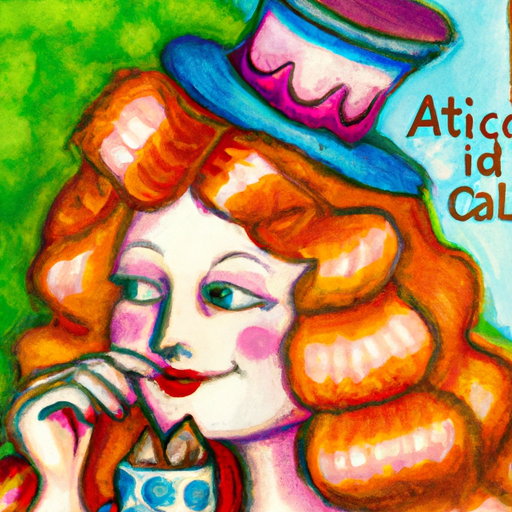
Alice In Wonderland is a whimsical and fantastical visual style that gained popularity in the mid-19th century. It became famous through Lewis Carroll's novel 'Alice's Adventures in Wonderland' and its subsequent adaptations. This style is characterized by surreal and exaggerated elements, vivid and vibrant colors, anthropomorphic creatures, intricate patterns, and a sense of playfulness. It is inspired by the Victorian era and often incorporates elements of fantasy and imagination.

View StyleExplore Style
Example of visual style of Amelie Poulain

Amelie Poulain

Amelie Poulain is a visual style that became famous after the release of the French film 'Amelie' in 2001. It is known for its whimsical, vintage-inspired aesthetic with a touch of nostalgia. The style features vibrant colors, playful compositions, and dreamlike imagery. It often incorporates elements of retro and surrealism, creating a magical and romantic atmosphere. The film's success and critical acclaim contributed to the popularity of this style in contemporary art and design.

View StyleExplore Style
Example of visual style of Andre Saraiva

Andre Saraiva

Andre Saraiva is a graffiti artist and nightclub owner. His visual style is characterized by vibrant, bold colors and whimsical, cartoon-like characters. He rose to fame in the early 2000s as a prominent figure in the Parisian nightlife scene, known for his graffiti tags and iconic Mr. A character. Saraiva's style combines street art with a playful, childlike aesthetic, often incorporating elements of pop culture. His work can be found in various cities around the world and has become synonymous with urban art and nightlife.

View StyleExplore Style
Example of visual style of Animated Film Music

Animated Film Music

Animated Film Music is a genre of music composed specifically for animated films. It became popular in the early 20th century with the introduction of synchronized sound in animations. This style is characterized by whimsy, playfulness, and a strong emphasis on storytelling. It often features catchy melodies, vibrant orchestrations, and a wide range of musical genres and influences. Notable composers such as Disney's Alan Menken and Pixar's Randy Newman have contributed to the fame of Animated Film Music.

View StyleExplore Style
Example of visual style of Bill Watterson

Bill Watterson

Bill Watterson is known for his distinctive visual style that he developed in his comic strip 'Calvin and Hobbes', which ran from 1985 to 1995. His style is characterized by its expressive and detailed drawings, with a focus on the imaginative and playful world of a young boy named Calvin and his stuffed tiger friend, Hobbes. Watterson's use of dynamic poses, exaggerated facial expressions, and intricate background details helped bring his characters and their world to life. His comic strip gained widespread popularity and critical acclaim, earning him numerous accolades and a devoted fanbase.

View StyleExplore Style
Example of visual style of Boule Et Bill

Boule Et Bill

Boule Et Bill is a visual style that originated in the mid-20th century, particularly in the late 1950s and early 1960s. It became famous for its vibrant and playful illustrations, which depict the adventures of a young boy named Boule and his loyal dog Bill. The style gained popularity due to its lively and humorous storytelling, relatable characters, and its ability to cater to both children and adults. Boule Et Bill is known for its use of bold and colorful drawings, with exaggerated expressions and whimsical details bringing the characters and their world to life.

View StyleExplore Style
Example of visual style of Brigitte Bardot

Brigitte Bardot

Brigitte Bardot is a French film and fashion icon, known for her effortlessly chic and sensual style in the 1950s and 1960s. Her signature look, often referred to as 'Bardot style,' is characterized by voluminous blonde hair, heavily lined eyes, and a pouty red lip. Bardot's style was renowned for its sex appeal and playfulness, with a mix of feminine elegance and youthful nonchalance. Her fashion choices, such as gingham dresses, Breton stripes, bikinis, and high-waisted skirts, became iconic and set the trend for the era. Her image in films like 'And God Created Woman' and 'Contempt' skyrocketed her to international fame, solidifying her status as a fashion and cultural phenomenon.

View StyleExplore Style
Example of visual style of Charles And Ray Eames

Charles And Ray Eames

The Charles and Ray Eames style emerged during the mid-20th century, primarily in the 1940s to 1970s. Known for their innovative and playful approach, Charles and Ray Eames were a husband and wife duo who made significant contributions to various design disciplines, including furniture, architecture, graphic design, and film. They are particularly famous for their groundbreaking furniture designs which combined functionality, modern aesthetics, and mass production techniques. Their use of new materials such as molded plywood and fiberglass revolutionized the furniture industry and made their creations iconic symbols of the era.

View StyleExplore Style
Example of visual style of Childrens Illustration

Childrens Illustration

Childrens Illustration is a style of art that is characterized by its whimsical and imaginative nature. It became popular in the late 19th and early 20th centuries with the rise of children's literature and books. This style incorporates bright and vibrant colors, simple shapes, and playful characters to engage young readers. Famous artists like Beatrix Potter, Maurice Sendak, and Dr. Seuss popularized this style through their iconic illustrations in children's books. It continues to be a beloved style in children's literature and has influenced many contemporary illustrators.

View StyleExplore Style
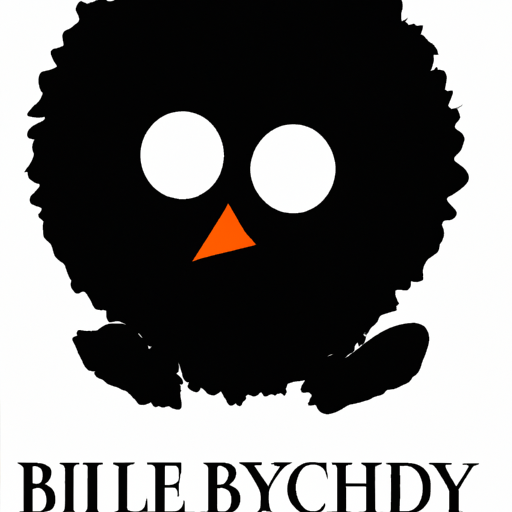
Example of visual style of Childrens Television Workshop

Childrens Television Workshop

Childrens Television Workshop is a visual style known for its bright and colorful aesthetic. It emerged in the 1960s and became famous through its groundbreaking children's educational television programs, such as Sesame Street. The style is characterized by bold, playful graphics, animated characters, and a focus on engaging and interactive storytelling. It combines educational content with entertaining elements to create a unique visual experience for children.

View StyleExplore Style
Example of visual style of Claes Oldenburg

Claes Oldenburg

Claes Oldenburg is known for his unique style of Pop Art, which emerged in the 1960s. With a focus on transforming everyday objects into monumental sculptures, Oldenburg challenged traditional notions of art and its subject matter. His work often explores themes of consumerism, popular culture, and the ironies of American society. Oldenburg's fame grew with his large-scale installations like the 'Giant BLT' and 'Clothespin', which showcased his playful and satirical approach to art. His innovative use of materials and exaggerated scale made him a prominent figure in the art world.

View StyleExplore Style
Home