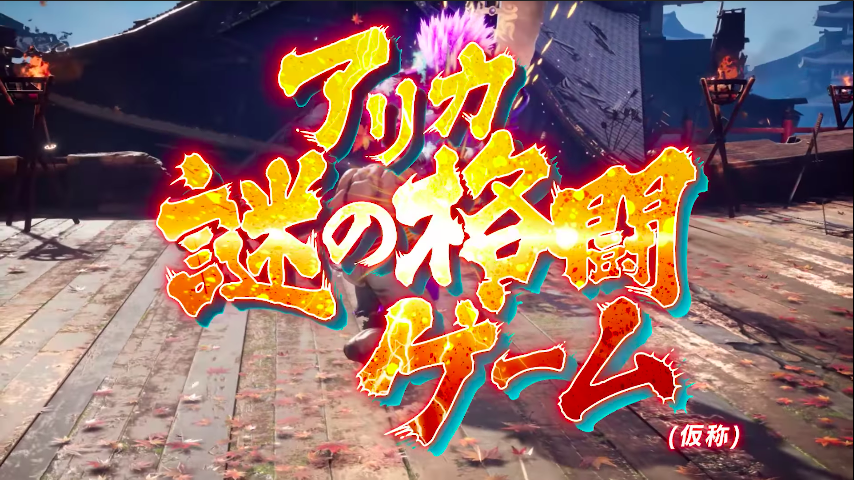
Akira Nishitani
Akira Nishitani is a Japanese video game designer known for his detailed pixel art and vibrant color palettes in popular games like Street Fighter II and Final Fight.
View StyleExplore Style Stylopedia
A visual encyclopedia of pixel art styles – use as prompt inspiration for Midjourney, Gemini, or ChatGPT AI when making pixel art images
Akira Nishitani is a Japanese video game designer known for his detailed pixel art and vibrant color palettes in popular games like Street Fighter II and Final Fight.
View StyleExplore Style
The visual style of arcade gaming is characterized by vibrant colors, pixel art graphics, and futuristic elements, popularized in the 1980s and 1990s through arcade machines and home consoles. This style became famous for its nostalgic appeal and immersive gaming experiences.
View StyleExplore Style
Bill Stealey is a visual style known for its bold colors, pixel art designs, and simplistic yet eye-catching graphics. This style became famous in the 1980s and 1990s through video games created by Stealey's company MicroProse.
View StyleExplore Style
Capybara Games is known for its charming and whimsical visual style, characterized by colorful and detailed pixel art. The studio gained popularity for its unique and immersive games like 'Superbrothers: Sword & Sworcery EP' and 'Below'.
View StyleExplore Style
The visual style of Castlevania features dark and gothic artwork, inspired by classic horror themes and folklore. It became famous through its video game series starting in the late 1980s, creating a haunting atmosphere with detailed pixel art and medieval architecture.
View StyleExplore Style
The visual style of Castlevania Symphony Of The Night features dark and gothic environments with detailed pixel art. Released in 1997, this game is famous for its intricate level design and atmospheric music.
View StyleExplore Style
The Castlevania video games feature a gothic, dark, and haunting visual style, often set in eerie castle environments filled with monsters, demons, and other supernatural creatures. This style became famous for its pixel art graphics, detailed character designs, and atmospheric music.
View StyleExplore Style
Chris Sawyer is a visual style known for its pixel art and intricate detail. The style gained popularity in the 1990s with the release of the game RollerCoaster Tycoon, developed by Chris Sawyer. His attention to detail and realistic design elements, such as the simulation of physics and environmental effects, made this style famous in the gaming industry. The pixel art in his games has a unique charm and nostalgic appeal, which continues to captivate players today.
View StyleExplore Style
Contra video games feature fast-paced gameplay, side-scrolling action, and detailed pixel art graphics. The franchise became famous during the late 1980s and early 1990s for its challenging gameplay and cooperative multiplayer mode.
View StyleExplore Style
Derek Yu is a pixel art style known for its charmingly retro and nostalgic aesthetics. This style gained popularity in the early 2000s with the release of Yu's acclaimed indie game 'Spelunky', which showcased his meticulous attention to detail and well-crafted pixel art. The style combines vibrant color palettes, clean and crisp lines, and pixel-perfect animations to create visually appealing and immersive game worlds.
View StyleExplore Style
Dune II: The Building of a Dynasty is a real-time strategy video game released in 1992 and is known for popularizing the real-time strategy genre. The game features a futuristic sci-fi aesthetic with detailed pixel art graphics.
View StyleExplore Style
Eboy is a pixel art style that originated in the late 1990s and gained popularity in the early 2000s. It is characterized by its vibrant colors, intricate detail, and a cluttered urban aesthetic, often featuring cities and imaginary worlds composed of tiny pixelated elements.
View StyleExplore Style
Eboy Collective is a pixel art style that emerged in the late 1990s and gained popularity for its intricate designs inspired by pop culture, video games, and urban landscapes.
View StyleExplore Style
Final Fantasy VI is a 2D role-playing video game released in 1994 known for its detailed pixel art, expressive character designs, and vibrant fantasy world.
View StyleExplore Style
Game art styles encompass a wide range of visual styles used in video games, from pixel art and low-poly to hyper-realistic 3D. Over the years, advancements in technology have allowed for more immersive and visually stunning games, leading to a diverse range of art styles in the gaming industry.
View StyleExplore Style
Game Designers is a graphic style characterized by vibrant colors, bold shapes, and pixel art influenced by early video games. Popularized in the late 20th century, it is known for its nostalgic references to classic arcade and console games.
View StyleExplore Style
Hyper Light Drifter is a visually stunning 2D action role-playing game developed by Heart Machine. Released in 2016, it gained fame for its pixel art style and atmospheric design. The game takes inspiration from 8-bit and 16-bit eras, paying homage to classic video games. Its distinctive visuals, featuring a mix of vibrant environments and haunting landscapes, have captivated players and critics alike.
View StyleExplore Style
Indie Game Art is a unique visual style that emerged in the late 2000s with the rise of independent video game developers. It often features hand-drawn graphics, pixel art, and a minimalist aesthetic, inspired by retro video games and art house films.
View StyleExplore Style
Joe Bostic is known for his iconic pixel art used in the classic strategy game Command & Conquer. His detailed and colorful pixelated graphics revolutionized the gaming industry in the 1990s.
View StyleExplore Style
The visual style of John Romero is known for its bold and vibrant colors, detailed and intricate pixel art, and a fusion of futuristic and gothic elements. This style emerged in the late 1980s and gained prominence during the 1990s as Romero became a prominent game designer in the video game industry. Romero's unique art direction and design in games such as Doom and Quake revolutionized the first-person shooter genre and left a lasting impact on the gaming community.
View StyleExplore Style
The Konami visual style is characterized by bold, vibrant colors, pixel art, and a retro gaming aesthetic. Popularized in the 1980s and 1990s by video game developer Konami, this style is known for its iconic characters and environments.
View StyleExplore Style
The visual style of Konami Video Games is characterized by vibrant colors, detailed pixel art, and innovative gameplay. This style became famous in the late 1980s and early 1990s for iconic games like Contra, Castlevania, and Metal Gear Solid.
View StyleExplore Style
The Mega Man visual style is characterized by colorful and futuristic pixel art graphics. This style became famous in the late 1980s with the release of the Mega Man video game series.
View StyleExplore Style
The Paul Robertson visual style is characterized by pixel art with vibrant colors, intricate details, and a distinctive 8-bit aesthetic. It gained popularity in the early 2000s and has become famous for its nostalgic homage to retro video games and anime. Robertson's work showcases a meticulous attention to detail, often featuring complex animations and references to pop culture. His style has influenced many contemporary pixel artists and has become synonymous with the pixel art revival.
View StyleExplore Style
Phil Fish is a visual style characterized by vibrant colors, pixel art, and retro video game aesthetics. Popularized in the indie game Fez released in 2012, this style has a nostalgic and whimsical charm that appeals to gamers and art enthusiasts alike.
View StyleExplore Style
The visual style of Polytron Corporation is characterized by vibrant colors, pixel art graphics, and retro-futuristic aesthetics. Founded in 2008 by Phil Fish, the studio gained fame with the release of the critically acclaimed game FEZ in 2012.
View StyleExplore Style
The visual style of Scott Pilgrim Vs The World The Video Game can be described as a pixel art style influenced by retro video games of the 1990s and early 2000s. It gained popularity due to its nostalgic homage to classic gaming and its unique blend of vibrant colors, exaggerated animations, and comic book aesthetics.
View StyleExplore Style
Sid Meier's visual style refers to the distinctive art and design found in the video games developed by Sid Meier, a renowned video game designer. Starting in the early 1980s and continuing to the present day, Sid Meier's games are known for their strategic gameplay and immersive worlds. The visual style of his games is characterized by detailed and colorful pixel art, depicting various landscapes, civilizations, and historical eras. Sid Meier's games became famous for their addictive gameplay and innovative mechanics, which revolutionized the strategy game genre.
View StyleExplore Style
Simcity is a visual style inspired by the popular simulation video game series of the same name. This style emerged in 1989 with the release of the first Simcity game, and became famous for its distinctive isometric grid view, vibrant pixel art graphics, and meticulous attention to detail in the simulation of urban environments. Simcity has since been synonymous with city-building games and has revolutionized the genre by offering players a realistic and immersive experience of constructing and managing their own virtual cities.
View StyleExplore Style
Spelunky is a 2D platformer video game with pixel art graphics, characterized by its vibrant colors, charming character designs, and intricate level layouts. Released in 2008, its combination of challenging gameplay and visually appealing aesthetics garnered a cult following.
View StyleExplore Style
Stardew Valley is a pixel art farming simulation game with charming and nostalgic visuals inspired by classic gaming styles of the 16-bit era. Released in 2016, it gained popularity for its retro-inspired graphics and relaxing gameplay.
View StyleExplore Style
Super Mario is a visually iconic and instantly recognizable style that originated with the release of the video game 'Super Mario Bros.' in 1985. This style is known for its vibrant and colorful 2D graphics, featuring simple yet charming character and environmental designs. The pixel art aesthetic, combined with the whimsical and imaginative world of the Mushroom Kingdom, has made Super Mario a beloved and timeless visual style.
View StyleExplore Style
The Super Nintendo Entertainment System (SNES) is a video game console that was popular in the late 80s and early 90s. Known for its 16-bit graphics and vibrant color palette, the SNES brought a significant improvement in visuals compared to its predecessor. It gained fame for its iconic games such as Super Mario World, The Legend of Zelda: A Link to the Past, and Donkey Kong Country. The visual style of SNES games combined detailed pixel art, smooth animations, and imaginative level design, creating a visually appealing and immersive gaming experience.
View StyleExplore Style
Superbrothers is a pixel art visual style characterized by intricate details, vibrant colors, and a nostalgic aesthetic. Popularized in indie video games like Sword & Sworcery EP, this style gained fame in the early 2010s.
View StyleExplore Style
Superbrothers Sword Sworcery Ep is a pixel art video game that was released in 2011. It gained popularity for its distinctive visual style that combines a retro pixel art aesthetic with atmospheric environments and evocative storytelling.
View StyleExplore Style
Susan Kare is a pioneer in computer icon and typeface design. She is best known for her work at Apple in the 1980s where she designed the original icons and fonts for the Macintosh computer. Her pixel art style and simple, intuitive designs revolutionized the way people interacted with computers. Kare's work became famous for its iconic and recognisable nature, setting the standard for user interfaces and influencing digital design for years to come.
View StyleExplore Style
Sword Sworcery Studio is a unique blend of pixel art, atmospheric environments, and minimalist design. Known for their innovative approach to storytelling and gameplay, this style gained popularity in the early 2010s.
View StyleExplore Style
Taito Corporation is a Japanese video game developer known for its vibrant and colorful visual style, especially during the '80s and '90s. Their pixel art and character designs are iconic in the arcade gaming industry.
View StyleExplore Style
Team Meat is known for its distinctive pixel art style, combining retro aesthetics with modern game design. This style gained popularity in the early 2010s through games like Super Meat Boy.
View StyleExplore Style
Terry Cavanagh is a minimalist indie game developer known for his simple yet challenging games like 'VVVVVV' and 'Super Hexagon'. His games typically feature retro pixel art graphics with bright colors and geometric shapes.
View StyleExplore Style
The visual style of The Binding Of Isaac is dark and grotesque, featuring pixel art graphics with a disturbing and twisted theme. Released in 2011, it gained fame for its unique and unsettling aesthetics.
View StyleExplore Style
Tomohiro Nishikado is a Japanese video game developer known for his groundbreaking work in the arcade game industry in the late 1970s and early 1980s. He is best known for creating the iconic game Space Invaders, which revolutionized the gaming industry with its simple yet addictive gameplay.
View StyleExplore Style
The visual style of Westwood Studios is characterized by detailed pixel art and isometric perspective. Active in the 1990s and early 2000s, Westwood Studios became famous for their iconic real-time strategy games such as Command & Conquer.
View StyleExplore Style