
StylopediaStylopedia

Photomontage styles on Stylopedia

A visual encyclopedia of photomontage styles – use as prompt inspiration for Midjourney, Gemini, or ChatGPT AI when making photomontage images

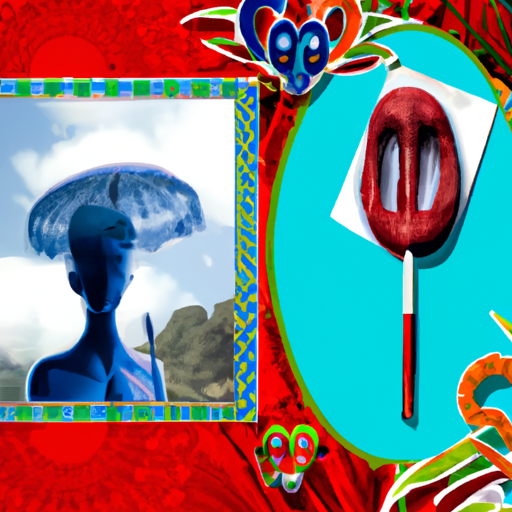
Example of visual style of Alexander Rodchenko

Alexander Rodchenko

Alexander Rodchenko was a Russian artist and designer who was a pioneer of Constructivism and Productivism. He was active in the early 20th century and his bold and innovative style made him one of the most influential figures in Russian avant-garde art. Rodchenko's work was characterized by geometric shapes, sharp angles, and dynamic compositions. He is best known for his experiments with photography, photomontage, and graphic design, which pushed the boundaries of traditional art forms and challenged the viewer's perception.

View StyleExplore Style
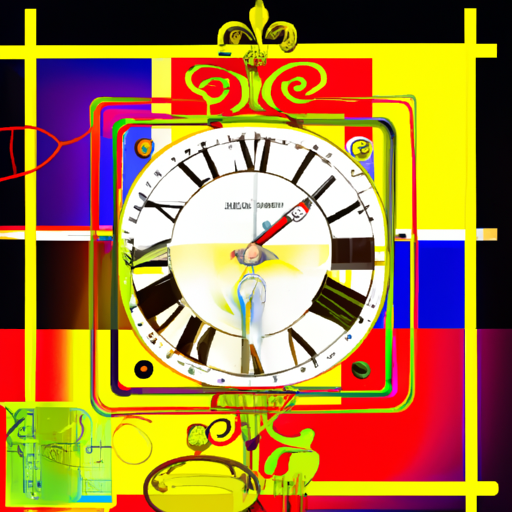

Example of visual style of El Lissitzky

El Lissitzky

El Lissitzky, also known as Lazar Markovich Lissitzky, was a Russian artist, designer, and architect. Active during the early 20th century, Lissitzky was a prominent figure in the Russian avant-garde movement. He is known for his unique and influential style that combined geometric forms, bold colors, and dynamic compositions. Lissitzky's work in various mediums such as painting, typography, photomontage, and architecture played a significant role in the development of modern art and design. His innovative use of abstract shapes, asymmetry, and the integration of typography into visual compositions brought a fresh and dynamic approach to visual communication and had a lasting impact on graphic design and the Constructivist movement.

View StyleExplore Style
Example of visual style of Gustav Klutsis

Gustav Klutsis

Gustav Klutsis was a Latvian artist and graphic designer known for his constructivist style. Active during the 1920s and 1930s, Klutsis gained fame for his powerful and dynamic compositions that combined photography, typography, and graphic design. His work was characterized by bold geometric forms, vibrant colors, and a strong sense of movement. Klutsis became famous for his propaganda posters and photomontages, which portrayed the ideals of the Soviet Union and promoted the achievements of the communist regime. His innovative use of photography and graphic design techniques made him a leading figure in the constructivist movement.

View StyleExplore Style
Example of visual style of Hannah Hoch

Hannah Hoch

Hannah Hoch was a German artist associated with the Dada movement in the early 20th century. She is best known for her pioneering work in photomontage, which involved cutting and rearranging photographs to create collages that challenged traditional notions of gender, identity, and culture. Active during the 1920s and 1930s, Hoch's work reflected the political and social upheaval of the time, incorporating images from popular media and fashion magazines to critique societal norms and expose the contradictions of the Weimar Republic in Germany.

View StyleExplore Style
Example of visual style of Herbert Bayer

Herbert Bayer

Herbert Bayer was a prominent figure in the Bauhaus movement, a significant art and design school in the 1920s and 1930s. Known for his innovative and versatile style, Bayer's work spanned various mediums including graphic design, typography, photography, and painting. His work during this time is characterized by geometric forms, bold colors, clean lines, and a strong focus on visual communication. Bayer's influential contributions to the field of graphic design and typography helped shape the modernist aesthetic. He became particularly famous for his use of sans-serif typefaces and his experimentation with photomontage techniques. His work laid the foundation for the development of a modern and functional design language in the 20th century.

View StyleExplore Style
Home