StylopediaStylopedia

Photography styles on Stylopedia

A visual encyclopedia of photography styles – use as prompt inspiration for Midjourney, Gemini, or ChatGPT AI when making photography images

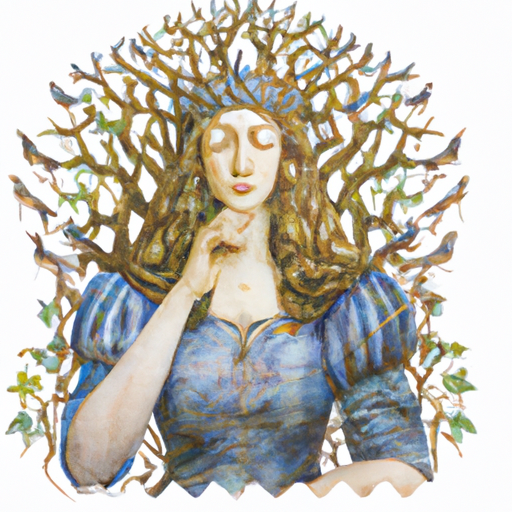
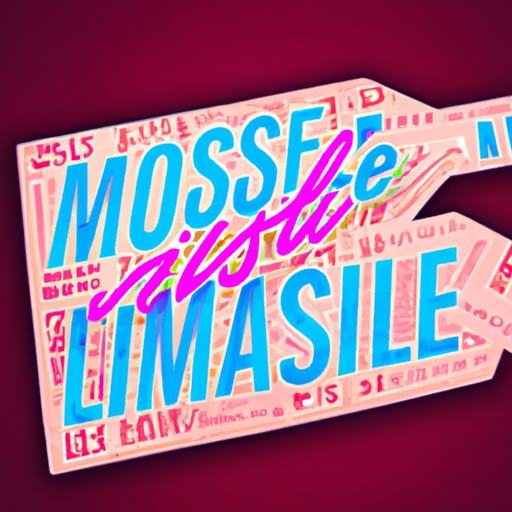
Example of visual style of Album Cover Art

Album Cover Art

Album Cover Art is a visual style that refers to the design and artwork printed on the covers of music albums. It became particularly famous during the mid-20th century when vinyl records were the dominant format for music consumption. The style's importance and recognition peaked in the 1960s and 1970s when groundbreaking album cover designs served as crucial visual representations of the music. These covers often featured innovative graphic design, photography, illustration, and typography that perfectly complemented the mood, genre, or themes of the music. From the iconic artwork of The Beatles' 'Sgt. Pepper's Lonely Hearts Club Band' to Pink Floyd's 'The Dark Side of the Moon,' album cover art played a significant role in shaping the overall aesthetic and cultural significance of music albums.

View StyleExplore Style
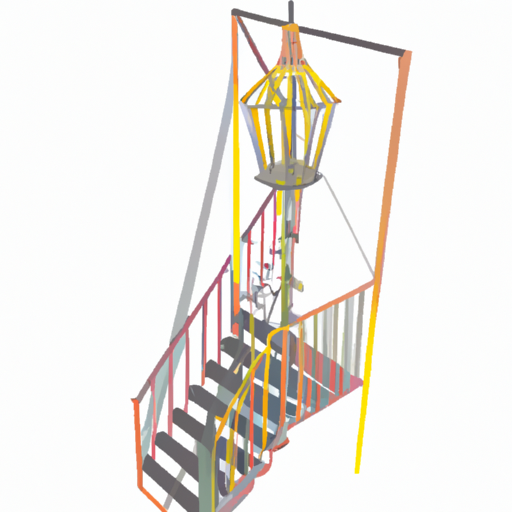
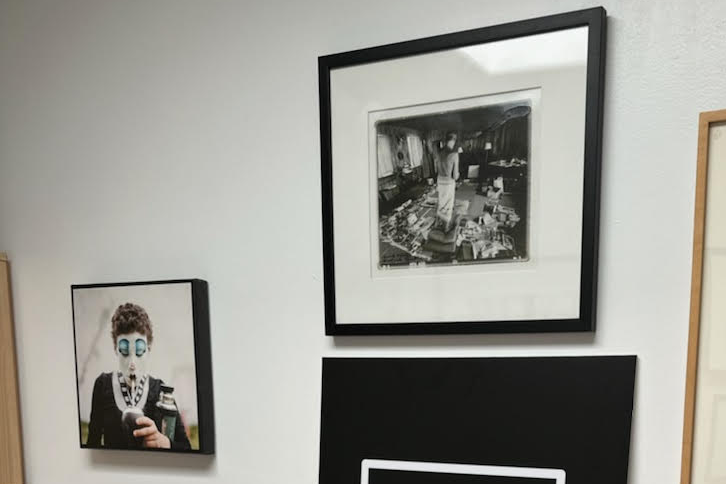
Example of visual style of Alexa Meade

Alexa Meade

Alexa Meade is known for her unique approach to painting that involves creating three-dimensional artworks on top of real-life subjects. She gained popularity in the early 2010s for her captivating style, which blurs the boundaries between painting and photography. Meade's technique involves meticulously painting her subjects, including their skin, clothes, and surroundings, in a way that makes them look like two-dimensional paintings. This trompe-l'oeil effect creates an optical illusion, challenging the viewer's perception of reality. Meade's work has been widely shared on social media platforms, making her style instantly recognizable and fostering a new wave of interest in the intersection of painting and photography.

View StyleExplore Style
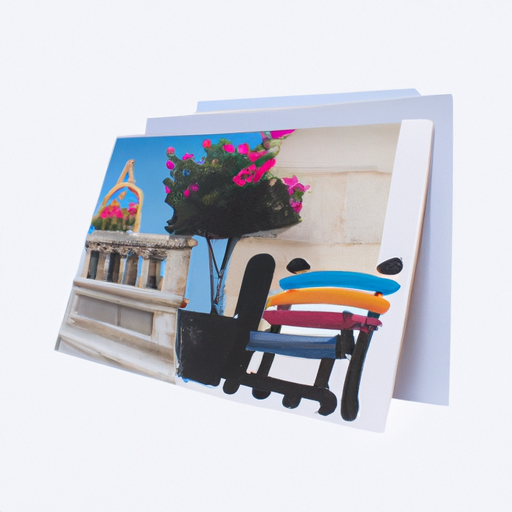
Example of visual style of Alexander Rodchenko

Alexander Rodchenko

Alexander Rodchenko was a Russian artist and designer who was a pioneer of Constructivism and Productivism. He was active in the early 20th century and his bold and innovative style made him one of the most influential figures in Russian avant-garde art. Rodchenko's work was characterized by geometric shapes, sharp angles, and dynamic compositions. He is best known for his experiments with photography, photomontage, and graphic design, which pushed the boundaries of traditional art forms and challenged the viewer's perception.

View StyleExplore Style
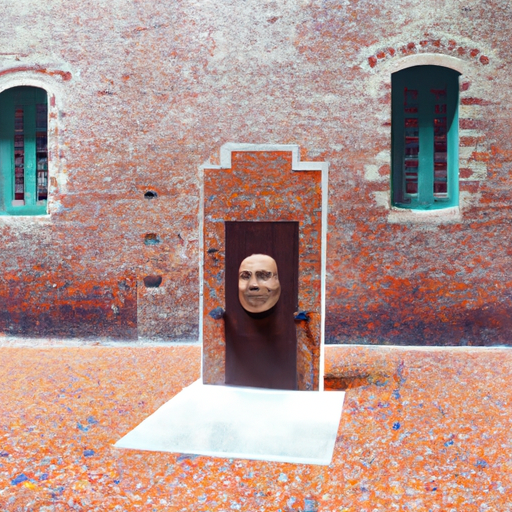
Example of visual style of Analog Film Photography

Analog Film Photography

Analog Film Photography is a visual style that was popular from the early 19th century to the late 20th century. It involves capturing images using traditional film cameras and developing the film to create physical prints. This style became famous for its unique characteristics such as vibrant colors, graininess, and a nostalgic feel. It was widely used by photographers to document events, capture landscapes, and express artistic visions. The period between the 1960s and 1990s saw a surge in the popularity of analog film photography.

View StyleExplore Style
Example of visual style of Aubrey Powell

Aubrey Powell

Aubrey Powell is a British graphic designer and one of the co-founders of the design company Hipgnosis. He is best known for his revolutionary album cover designs in the 1960s and 1970s, which helped define the visual identity of rock and roll. Powell's style was characterized by surreal and imaginative concepts, combining photography, illustration, and graphic design to create visually stunning and iconic album covers. Some of his most famous works include covers for Pink Floyd's 'The Dark Side of the Moon' and Led Zeppelin's 'Houses of the Holy'. Powell's innovative approach to album cover design revolutionized the industry and made him a pioneer in the field.

View StyleExplore Style
Example of visual style of Carrie Mae Weems

Carrie Mae Weems

Carrie Mae Weems is known for her powerful and thought-provoking photography, video, and installation artworks. Her visual style combines documentary photography with cultural and social commentary, exploring themes of race, gender, and class. Weems gained recognition in the 1990s for her series 'The Kitchen Table', which utilized staged domestic scenes to examine the complexities of intimate relationships and the roles of women. Her work often incorporates text and audio elements to further enhance the narrative and emotional impact. Weems' unique approach to storytelling and her ability to challenge societal norms have made her style iconic in the world of contemporary photography.

View StyleExplore Style
Example of visual style of Edward Steichen

Edward Steichen

Edward Steichen was a renowned American photographer who was influential in shaping the visual style of the 20th century. He was active from the late 19th century through the mid-20th century, and his work helped establish photography as a legitimate form of art. Steichen's images, often characterized by soft lighting, evocative compositions, and exquisite tonalities, showcased his mastery in both black-and-white and color photography. His famous photographs include 'The Pond-Moonlight' (1904) and 'Gloria Swanson' (1924). Steichen's innovative approach to photography and his ability to capture the essence of his subjects made him an influential figure in the history of photography.

View StyleExplore Style
Example of visual style of Esquire Covers

Esquire Covers

Esquire Covers is a visual style that emerged in the United States in the 20th century. It became famous for its bold and iconic magazine covers featured in Esquire magazine. This style gained prominence in the 1960s and 1970s, showcasing a blend of modern and artistic design elements. The covers often incorporated strong typography, striking photography, and innovative graphic design techniques. Esquire Covers revolutionized the concept of magazine covers, making them both visually captivating and thought-provoking. The covers challenged societal norms and pushed the boundaries of design and visual communication.

View StyleExplore Style
Example of visual style of Gordon Parks

Gordon Parks

Gordon Parks was an American photographer, filmmaker, and writer who became prominent in the mid-20th century. He was known for his unique visual style, characterized by powerful and evocative black and white imagery. Parks captured the realities of African American life and social issues, including poverty, segregation, and the civil rights movement. His work brought attention to these important issues and challenged societal norms, making him famous for his impactful storytelling through photography. His most famous work includes the photo essay 'Harlem Gang Leader' and his fashion photography for Vogue.

View StyleExplore Style
Example of visual style of Graphic Design

Graphic Design

Graphic Design is a visual style that emerged in the late 19th century and continues to be influential today. It focuses on the creation and arrangement of visual elements to convey a message or evoke an emotion. Graphic design became famous in the mid-20th century with the rise of modernism, which emphasized simplicity, clarity, and functionality. The use of typography, photography, illustration, and color theory are essential components of this style, which is known for its precision, organization, and visual impact.

View StyleExplore Style
Example of visual style of Gustav Klutsis

Gustav Klutsis

Gustav Klutsis was a Latvian artist and graphic designer known for his constructivist style. Active during the 1920s and 1930s, Klutsis gained fame for his powerful and dynamic compositions that combined photography, typography, and graphic design. His work was characterized by bold geometric forms, vibrant colors, and a strong sense of movement. Klutsis became famous for his propaganda posters and photomontages, which portrayed the ideals of the Soviet Union and promoted the achievements of the communist regime. His innovative use of photography and graphic design techniques made him a leading figure in the constructivist movement.

View StyleExplore Style
Example of visual style of Herbert Bayer

Herbert Bayer

Herbert Bayer was a prominent figure in the Bauhaus movement, a significant art and design school in the 1920s and 1930s. Known for his innovative and versatile style, Bayer's work spanned various mediums including graphic design, typography, photography, and painting. His work during this time is characterized by geometric forms, bold colors, clean lines, and a strong focus on visual communication. Bayer's influential contributions to the field of graphic design and typography helped shape the modernist aesthetic. He became particularly famous for his use of sans-serif typefaces and his experimentation with photomontage techniques. His work laid the foundation for the development of a modern and functional design language in the 20th century.

View StyleExplore Style
Example of visual style of Jacob Riis

Jacob Riis

Jacob Riis was a Danish-American social reformer and photographer who documented the gritty reality of New York City's slums in the late 19th century. His photographic style was characterized by the use of flash photography and capturing images of impoverished living conditions, overcrowded tenements, and the plight of the working class. Riis's work became famous for bringing public attention to the harsh living conditions of the poor and played a significant role in igniting social reforms in urban areas.

View StyleExplore Style
Example of visual style of John Baldessari

John Baldessari

John Baldessari is known for his conceptual art style which emerged in the 1960s and became famous in the 1970s. He is recognized for his distinctive use of text, photography, and found images in his artworks. Baldessari's work often challenges traditional art conventions and explores the relationship between image and language. His influential series such as 'The Cremation Project' (1970) and 'I Will Not Make Any More Boring Art' (1971) brought him international recognition and established him as a pioneer of conceptual art.

View StyleExplore Style

Example of visual style of JR

JR

JR is a visual style that emerged in the early 2000s and gained popularity through street art. It is characterized by large-scale black and white photographs pasted on outdoor surfaces such as buildings and walls. Jr's work often focuses on social and political issues, and he became famous for his project 'Women Are Heroes', which aimed to highlight the strength and resilience of women around the world. This style gained recognition for its ability to transform urban spaces into powerful and thought-provoking art installations.

View StyleExplore Style

Example of visual style of Laszlo Moholy Nagy

Laszlo Moholy Nagy

Laszlo Moholy Nagy was a Hungarian artist and Bauhaus instructor known for his pioneering work in photography, photograms, and typography. He played a crucial role in the development of modernism, especially the constructivist movement, during the early 20th century. Nagy's style was characterized by bold geometric compositions, experimentation with new materials and techniques, and a focus on the relationship between technology and art. His innovative use of light, shadow, and transparency created a dynamic visual language that blurred the boundaries between art and design. Laszlo Moholy Nagy's influential work became famous in the 1920s and continues to inspire artists and designers today.

View StyleExplore Style
Example of visual style of Lorna Simpson

Lorna Simpson

Lorna Simpson is known for her unique combination of photography and text to explore themes of gender, race, identity, and representation. Her work emerged in the 1980s and gained critical acclaim for its innovative approach in addressing societal issues. Simpson became famous for her iconic and thought-provoking series 'Guarded Conditions' in 1989, which featured large-scale photographs with inserted text panels. This series challenged traditional notions of perception and interpretation by combining images and language to create layered narratives.

View StyleExplore Style
Example of visual style of Magazine Design

Magazine Design

Magazine design refers to the visual style used in the design and layout of magazines, particularly during the mid-20th century. It became famous for its innovative use of typography, photography, and illustration to create visually appealing and engaging pages. This style rose to prominence during the 1940s to the 1970s, with notable magazines like Vogue, Life, and National Geographic utilizing bold layouts, vibrant colors, and dynamic visuals to captivate readers.

View StyleExplore Style

Example of visual style of Marek Okon

Marek Okon

Marek Okon is a visual style known for its vibrant and contemporary aesthetic. This style emerged in the late 2000s and gained recognition for its unique use of color, geometric shapes, and digital manipulation. Marek Okon's work combines both photography and graphic design techniques to create visually striking and impactful imagery. He has become famous for his ability to create dynamic compositions that play with light, shadow, and perspective, resulting in visually captivating and memorable visuals.

View StyleExplore Style
Example of visual style of Margaret Bourke White

Margaret Bourke White

Margaret Bourke White was an American documentary photographer who became known for her iconic, often high-contrast black and white photographs. She was renowned for her ability to capture the monumental scale of industrial landscapes, such as factories and construction sites, as well as for her fearless photojournalism during significant historical events, including World War II. Her work spanned from the 1920s through the 1960s, and she was one of the first female photographers to be hired by major publications, such as Life magazine. Bourke White's unique visual style combined striking composition, dramatic lighting, and a meticulous attention to detail, resulting in powerful images that conveyed both the grandeur and the human impact of modern industrialization.

View StyleExplore Style
Example of visual style of Mixed Media Art

Mixed Media Art

Mixed Media Art is a style that incorporates various materials, techniques, and mediums to create artwork. It emerged as a prominent artistic style in the mid-20th century and gained popularity in the 1960s and 1970s. This style became famous for its ability to combine traditional and unconventional materials such as paint, collage, found objects, photography, and digital elements. Mixed Media Art encourages experimentation and often results in visually captivating and conceptually rich creations.

View StyleExplore Style
Example of visual style of Nasa

Nasa

Nasa is a visual style associated with the National Aeronautics and Space Administration. This style became popular in the mid-20th century and is still relevant today. Nasa's visual style is known for its iconic logos and emblems, featuring strong typography, bold colors, and futuristic elements. It gained immense fame during the Space Race era, particularly with the Apollo Moon landing missions. Nasa's stunning photographs of Earth, astronauts, and celestial bodies have captivated the world and played a significant role in making this style famous.

View StyleExplore Style
Example of visual style of Pierre Et Gilles

Pierre Et Gilles

Pierre et Gilles is a collaborative artist duo consisting of Pierre Commoy and Gilles Blanchard. This visual style emerged in the 1970s and became famous for their unique blend of photography and painting. Their works often feature highly stylized portraits of celebrities and everyday individuals, combining elements of pop art, kitsch, and homoeroticism. Pierre et Gilles gained recognition in the 1980s for their vibrant and meticulously staged compositions that challenge traditional notions of beauty and gender, exploring themes of desire, religion, and mythology.

View StyleExplore Style

Example of visual style of Sagmeister Walsh

Sagmeister Walsh

Sagmeister Walsh is a widely recognized visual style in the graphic design industry. It was founded by Stefan Sagmeister and Jessica Walsh in 2012. This style is characterized by its bold and experimental approach, combining typography, photography, and illustration in unique and visually striking ways. It gained fame for its innovative use of design elements and its ability to create thought-provoking and visually engaging experiences. The style gained significant recognition during the early 2000s for its groundbreaking work in album cover design, particularly for bands like The Rolling Stones and Lou Reed.

View StyleExplore Style
Example of visual style of Solve Sundsbo

Solve Sundsbo

Solve Sundsbo is a visual style characterized by vibrant and surreal imagery, often featuring intense color contrasts and intricate post-production editing techniques. This style gained fame in the late 1990s and early 2000s for its innovative and boundary-pushing approach to fashion and beauty photography. Sundsbo's use of digital manipulation and experimentation with lighting and composition led to a distinctive aesthetic that captivated the fashion industry.

View StyleExplore Style
Example of visual style of Stieglitz Circle

Stieglitz Circle

The Stieglitz Circle was a group of American photographers and artists active from the late 19th century to the early 20th century. Led by photographer Alfred Stieglitz, the circle played a crucial role in promoting photography as an art form and advocating for its recognition in the art world. This movement is famous for revolutionizing photography by breaking away from traditional techniques and embracing a more avant-garde and modern approach. Important years for this style include the late 1800s to the early 1900s. The Stieglitz Circle gained prominence through the publication of the photography-based magazine 'Camera Work' and the founding of various art galleries, such as '291'.

View StyleExplore Style
Example of visual style of Storm Thorgerson

Storm Thorgerson

The visual style of Storm Thorgerson emerged in the 1960s and became famous for its imaginative and surreal album cover designs. Thorgerson was a prominent British graphic designer known for his work with iconic rock bands, including Pink Floyd, Led Zeppelin, and The Mars Volta. His visual style featured vibrant and symbolic imagery, often incorporating elements of fantasy and otherworldly landscapes. Thorgerson's designs were characterized by meticulous attention to detail and a distinctive blend of photography and graphic art. His work became synonymous with the visual representation of music and left a lasting impact on album cover design.

View StyleExplore Style

Example of visual style of The Durutti Column

The Durutti Column

The Durutti Column is a visual style that emerged in the late 1970s and gained popularity in the 1980s. Known for its eclectic mix of abstract imagery, collage-like compositions, and unique use of textures, this style encompasses both graphic design and album cover artwork. Its founder, Vini Reilly, was the driving force behind this visual style, which became synonymous with Factory Records. The combination of hand-drawn elements, photography, and minimalist typography set The Durutti Column apart and made it famous among post-punk and new wave music enthusiasts.

View StyleExplore Style
Example of visual style of The Fall

The Fall

The Fall is a visual style characterized by dark and moody aesthetics, primarily used in cinematography and photography. It gained popularity in the late 1990s and early 2000s, and is known for its use of muted colors, heavy shadows, and a sense of melancholy. It features desaturated tones and a reduced color palette, emphasizing the contrast between light and dark. The style often involves incorporating elements of nature and landscapes to create a haunting and atmospheric atmosphere. The Fall became famous for its ability to evoke emotions and tell stories through its unique visual language.

View StyleExplore Style
Home