StylopediaStylopedia

Performance art styles on Stylopedia

A visual encyclopedia of performance art styles – use as prompt inspiration for Midjourney, Gemini, or ChatGPT AI when making performance art images

Example of visual style of Body Art

Body Art

Body Art is a visual style that involves using the human body as a canvas for artistic expression. It gained prominence in the late 20th century and continues to be popular. This style became famous for its unique combination of performance art, body painting, and various forms of temporary or semi-permanent body modifications. Notable years for Body Art include the 1960s and 1970s when artists like Yves Klein and Marina Abramovic pioneered the genre. The style gained further recognition in the 1990s with the emergence of body piercing, tattooing, and extreme body modifications.

View StyleExplore Style
Example of visual style of Carolee Schneemann

Carolee Schneemann

Carolee Schneemann was an American visual artist known for her provocative and groundbreaking work in performance art, film, and installation. She rose to fame in the late 1960s and 1970s with her innovative approach to exploring the female body, sexuality, and gender roles. Schneemann's works often involved the use of her own body as a medium, challenging societal norms and pushing the boundaries of art. Her adventurous and fearless exploration of taboos made her a feminist icon and a pioneer of body art.

View StyleExplore Style
Example of visual style of Chris Burden

Chris Burden

The Chris Burden visual style emerged in the 1970s and is often associated with performance art and installation art. Burden gained fame for his daring and provocative artworks that pushed the boundaries of physical and psychological endurance. He became renowned for his works such as "Shoot" (1971), where he asked a friend to shoot him in the arm with a .22 caliber rifle, and "The L.A.P.D. Uniforms" (1993), where he created realistic police uniforms filled with objects signifying violence. Burden's art often explores themes of danger, power dynamics, and the relationship between institutional systems and the individual.

View StyleExplore Style
Example of visual style of Dada

Dada

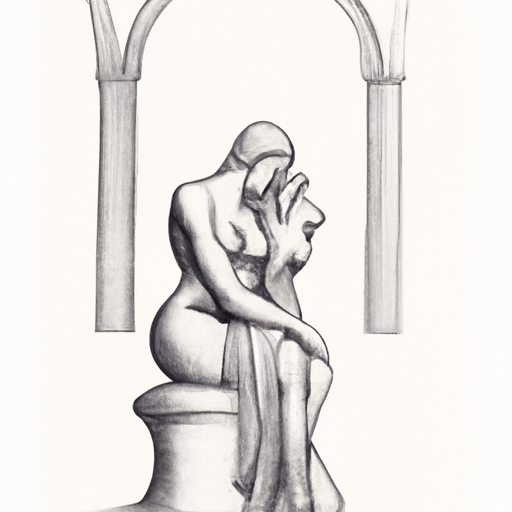
Dada is an art movement that emerged during World War I in Zurich, Switzerland (1916-1922). It is known for its rebellious and anti-art nature, challenging traditional notions of art. Dadaists sought to create an irrational and absurd art that would reflect the chaotic and nihilistic atmosphere of the war. Nonsensical and provocative, Dada rejected the conventional ideas of beauty and purpose, emphasizing random and chance-based techniques. Through collage, assemblage, readymades, and performance art, Dadaists aimed to undermine the established norms and question the role of art in society.

View StyleExplore Style
Example of visual style of Laurie Anderson

Laurie Anderson

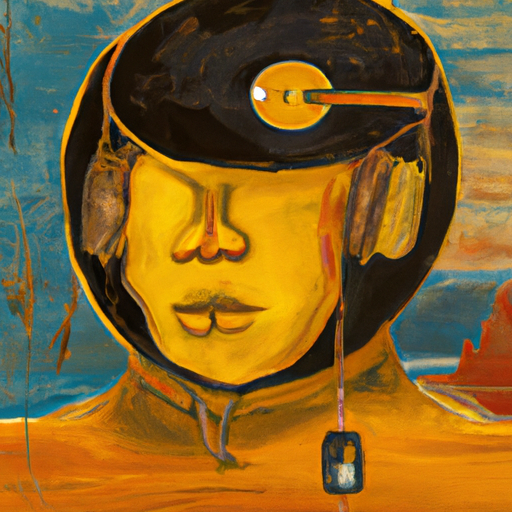
Laurie Anderson is an American avant-garde artist known for her multimedia installations, performances, and music. Her work emerged in the late 1970s, and she became a prominent figure in the art scene of the 1980s. Anderson's visual style combines innovative technology, storytelling, and conceptual art. She is famous for her use of multimedia elements such as spoken word, performance art, video projection, and electronic music. Her work often explores themes of technology, identity, politics, and language.

View StyleExplore Style
Example of visual style of Marina Abramovi

Marina Abramovi

Marina Abramovi is a prominent performance artist known for her intense and provocative works. Her style emerged in the 1970s and became famous for pushing the boundaries of the body and exploring notions of endurance, pain, and vulnerability. Often using her own body as a medium, Abramovi's performances are known for their raw and sometimes disturbing nature. Her work challenges the limits of physical and mental endurance, and frequently involves long-duration performances that test the artist's physical and emotional endurance. Abramovi's use of immersive and confrontational performances has made her a central figure in the world of contemporary art.

View StyleExplore Style
Example of visual style of Marina Abramovi Institute

Marina Abramovi Institute

The Marina Abramovi Institute is a visual style associated with contemporary performance art and experiential installations. Founded in 2004 by Marina Abramovi, a renowned Serbian performance artist, the institute gained fame for its innovative approach to audience participation and immersive art experiences. The institute became particularly famous after Abramovi's retrospective exhibition 'The Artist Is Present' at the Museum of Modern Art in 2010, which featured her iconic durational performance. The Marina Abramovi Institute challenges traditional boundaries of art by merging the realms of performance, sculpture, and the human experience.

View StyleExplore Style

Example of visual style of Marina Abramovic

Marina Abramovic

Marina Abramovic is a performance artist known for her groundbreaking and provocative work. Her visual style is characterized by minimalism, introspection, and a focus on the body as a medium. Abramovic gained fame in the 1970s and 1980s through performances that pushed the boundaries of art and tested the limits of her physical and mental endurance. She is best known for her piece 'The Artist Is Present' performed at the Museum of Modern Art in 2010, which involved sitting silently across from individual visitors for a total of 736 hours. This performance brought her international recognition and solidified her reputation as a pioneer of performance art.

View StyleExplore Style

Example of visual style of Neo Dadaism

Neo Dadaism

Neo Dadaism is an avant-garde art movement that emerged in the 1950s and 1960s. It was a reaction against the rationalism and conformity of the post-World War II era. Neo Dadaist artists sought to challenge traditional notions of art by embracing random and absurd elements in their work. They used unconventional materials, performance art, and found objects to create provocative and often nonsensical pieces. Neo Dadaism became famous for its rejection of traditional artistic boundaries and its exploration of the relationship between art and everyday life.

View StyleExplore Style
Example of visual style of Suzanne Lacy

Suzanne Lacy

Suzanne Lacy is a visual artist known for her pioneering work in the field of social practice art. Her visual style combines performance art, installation, and community engagement to create powerful and dynamic artworks. Lacy rose to prominence in the 1970s and 1980s, a time when feminist art and activism were gaining momentum. Her groundbreaking projects, such as 'Three Weeks in May' (1977) and 'The Crystal Quilt' (1987), brought attention to important social issues such as violence against women and the experiences of older women. Lacy's use of collaboration and her focus on the lived experiences of marginalized communities have made her style famous and influential in the realm of social practice art.

View StyleExplore Style
Example of visual style of Yoko Ono

Yoko Ono

The Yoko Ono visual style emerged in the 1960s and became prominent in the realms of conceptual art and performance art. Yoko Ono, a Japanese artist and musician, gained fame for her avant-garde and experimental approach to art. She incorporated elements of Fluxus, a radical art movement known for its anti-art and anti-commercialism stance. Ono's work often challenged traditional art forms, embracing concepts like interactivity, audience participation, and the blending of art and life.

View StyleExplore Style
Home