StylopediaStylopedia

Performance styles on Stylopedia

A visual encyclopedia of performance styles – use as prompt inspiration for Midjourney, Gemini, or ChatGPT AI when making performance images

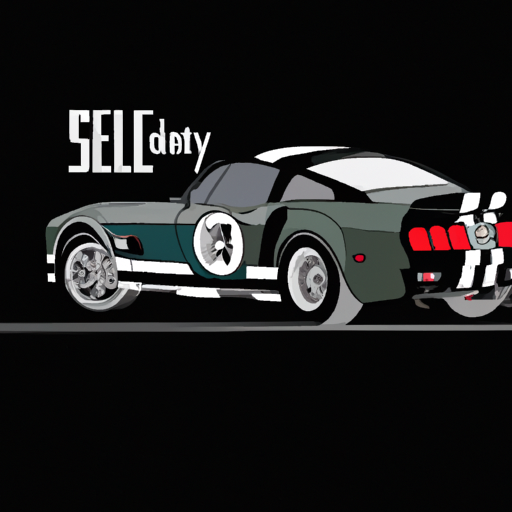
Example of visual style of Bruce Nauman

Bruce Nauman

Bruce Nauman is an American artist known for his pioneering work in various mediums including sculpture, video, performance, and installation art. His work emerged in the late 1960s and was heavily influenced by the Conceptual art movement. Nauman's art often explores themes of language, communication, body, and the human condition. He is famous for his use of repetitive phrases, neon lights, and video surveillance to challenge the viewer's perception and provoke introspection.

View StyleExplore Style
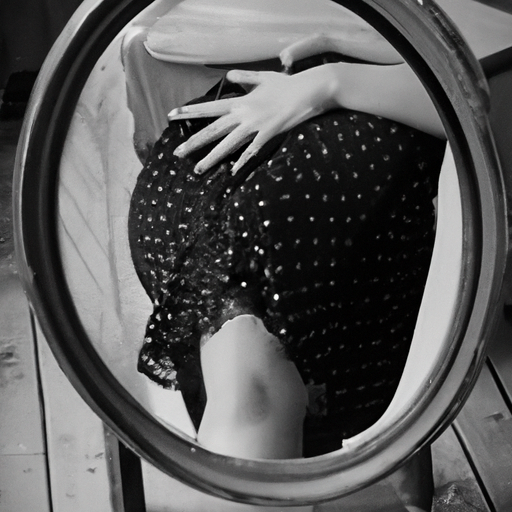
Example of visual style of Francesca Woodman

Francesca Woodman

Francesca Woodman was an American photographer known for her black and white self-portraits. Her works were produced in the late 1970s and early 1980s. Woodman's style is characterized by surreal and haunting compositions, often exploring themes of identity, femininity, and the body. Her photographs blend elements of performance and vulnerability, capturing herself in ethereal and ghostly settings. Woodman's work gained recognition posthumously and has influenced subsequent generations of photographers.

View StyleExplore Style
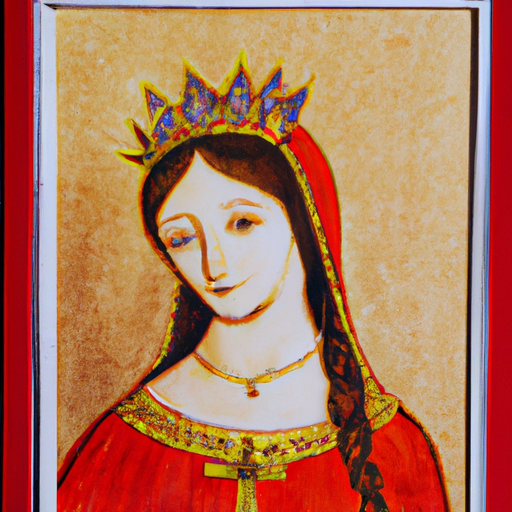
Example of visual style of Happening

Happening

Happening is an avant-garde art form that emerged in the late 1950s and gained popularity in the 1960s. It was a performance-based genre that aimed to create spontaneous and interactive experiences for the audience. Happenings were characterized by their unpredictability, incorporating elements of theater, art, music, and everyday life. Influenced by the Fluxus movement, they often involved audience participation, multimedia elements, and were often site-specific. Some notable happenings include Allan Kaprow's '18 Happenings in 6 Parts' (1959) and Claes Oldenburg's 'Store' (1961) which turned a gallery into a mock store. Happenings challenged traditional forms of art and blurred the boundaries between art and life.

View StyleExplore Style
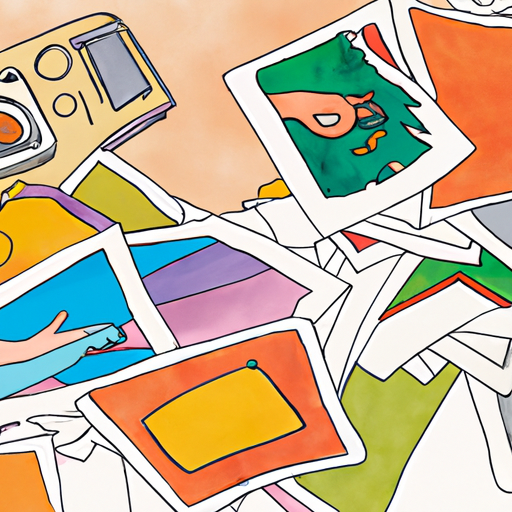
Example of visual style of Jacques Rivette

Jacques Rivette

Jacques Rivette was a French filmmaker known for his unique and innovative visual style. Active from the 1960s until his death in 2016, Rivette's films were characterized by their long running times, complex narratives, and improvisational approach. He was a central figure in the French New Wave movement, alongside directors such as Jean-Luc Godard and François Truffaut. Rivette's films were often marked by their exploration of identity, performance, and the blurred boundaries between reality and fiction.

View StyleExplore Style
Example of visual style of Joseph Beuys

Joseph Beuys

Joseph Beuys was a German artist known for his diverse artistic practice that encompassed performance, sculpture, installation, and drawing. A significant figure in the art world from the 1960s until his death in 1986, Beuys not only challenged traditional notions of art but also explored social and political issues. He became famous for his concept of 'social sculpture,' which aimed to bring about social change through artistic means. Beuys' work often employed unconventional materials such as felt, fat, and honey, and he embraced symbols like the hare and the wolf as recurring motifs. His art encouraged viewers to engage with their own creative potential and to question established systems and beliefs.

View StyleExplore Style
Example of visual style of Madonna

Madonna

Madonna is a visual style that emerged in the 1980s and remains influential today. It is named after the iconic pop singer Madonna, who revolutionized the music industry and popular culture with her daring fashion choices. The style is characterized by a bold and provocative aesthetic, combining elements of fashion, art, and performance. Madonna's unique blend of punk, pop, and glamour made her famous, and she became known for her revealing outfits, lace gloves, fishnet stockings, and layered accessories. She challenged societal norms and embraced sexuality, empowering women to express themselves freely. Madonna's visual style continues to inspire artists and designers across various creative fields.

View StyleExplore Style
Example of visual style of Neo Dada

Neo Dada

Neo Dada is an art movement that emerged in the 1950s and reached its peak in the 1960s. It is characterized by an eclectic and unconventional approach, often using everyday objects and found materials to create artworks. The artists associated with Neo Dada aimed to challenge traditional notions of art and aesthetic by combining elements of performance, sculpture, painting, and collage. Neo Dada became famous for its rejection of rationality and embrace of absurdity, randomness, and chance in artistic creation.

View StyleExplore Style
Example of visual style of Puppetry

Puppetry

Puppetry is a form of theatre or performance that involves the manipulation of puppets. It has been practiced for centuries, with its origins dating back to ancient civilizations like Egypt and Greece. Puppetry became famous in the 20th century with the advent of films like 'The Muppet Show' and the iconic characters created by Jim Henson. This artform gained popularity due to its ability to bring inanimate objects to life, allowing for storytelling and entertainment in a unique and captivating way.

View StyleExplore Style
Example of visual style of Video Art

Video Art

Video Art is a contemporary art form that emerged in the 1960s and gained popularity in the 1970s. It involves the use of video technology as a medium for artistic expression. Artists began utilizing video cameras and editing equipment to create moving image artworks. Video Art became famous for its ability to combine elements of performance, film, and visual art. It challenged traditional notions of art and expanded the possibilities of artistic expression by integrating time, space, and technology.

View StyleExplore Style
Home