StylopediaStylopedia

Pen and ink styles on Stylopedia

A visual encyclopedia of pen and ink styles – use as prompt inspiration for Midjourney, Gemini, or ChatGPT AI when making pen and ink images

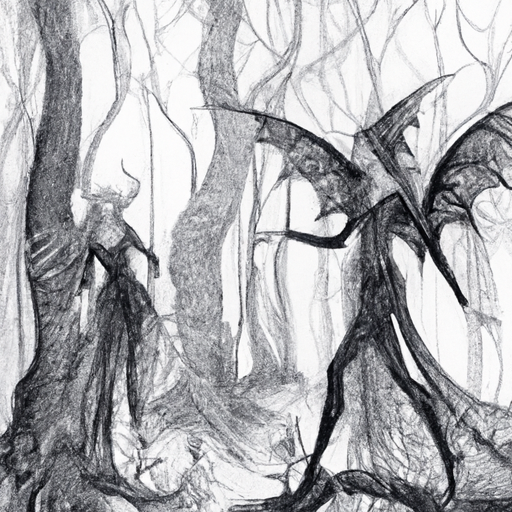
Example of visual style of Edward Gorey

Edward Gorey

Edward Gorey is famous for his distinctive black and white pen-and-ink illustrations. His style emerged in the mid-20th century and is known for its macabre and whimsical themes, often depicting mysterious narratives with a Victorian and Gothic influence. Gorey's work gained popularity through his book illustrations, notably 'The Gashlycrumb Tinies' (1963), which features darkly humorous rhymes about the untimely deaths of children. His detailed cross-hatched drawings and uncanny characters have made his style instantly recognizable and influential in the field of dark humor and Gothic art.

View StyleExplore Style
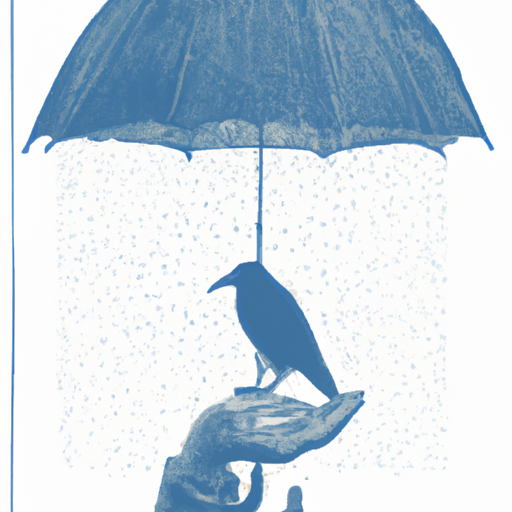
Example of visual style of Eh Shepard

Eh Shepard

Eh Shepard is a visual style that emerged in the early 20th century and is best known for its whimsical and charming illustrations. Shepard gained fame for his iconic illustrations in A.A. Milne's Winnie-the-Pooh books, which were published between 1926 and 1928. His delicate and intricate pen and ink drawings brought the beloved characters to life, captivating readers of all ages. Shepard's style is characterized by its attention to detail, expressive line work, and ability to evoke emotions through simple yet powerful imagery.

View StyleExplore Style
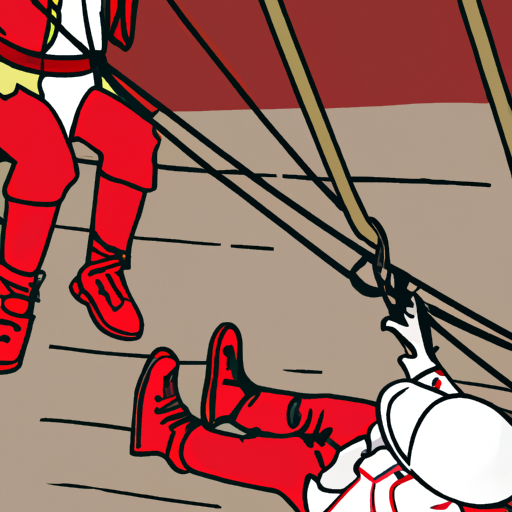
Example of visual style of Robert Crumb

Robert Crumb

Robert Crumb is an American cartoonist, known for his distinctive underground comix style that emerged in the 1960s and gained fame in the counterculture movement. His work is characterized by intricate pen and ink drawings with exaggerated and caricatured figures, often depicting satirical and controversial themes. Crumb's detailed crosshatching and his ability to capture expressions and emotions through his drawings became his signature style and made him famous as the leading figure of the underground comic movement during the 1960s and 1970s.

View StyleExplore Style
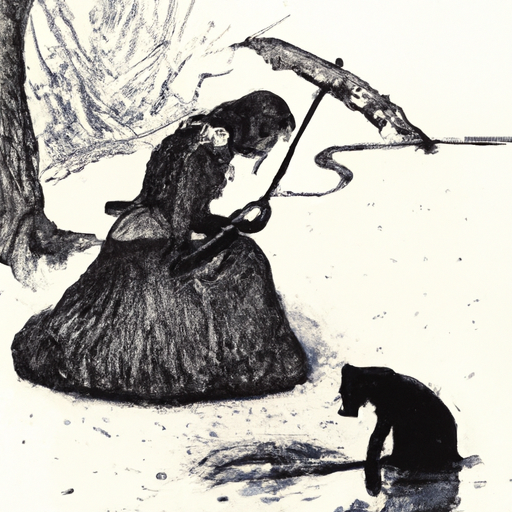
Example of visual style of The New Yorker Magazine

The New Yorker Magazine

The New Yorker Magazine is known for its distinctive and iconic visual style that has been consistently maintained since its inception in 1925. The magazine is famous for its sophisticated and witty approach to illustration and design, which helped establish it as a cultural touchstone. The illustrations and covers often feature a blend of humor, satire, and social commentary. The style encompasses a wide range of techniques and mediums, including pen and ink drawings, watercolors, and digital illustrations. The New Yorker has become synonymous with a certain level of quality, intellectualism, and wit in visual journalism and storytelling.

View StyleExplore Style
Example of visual style of Thomas Nast

Thomas Nast

Thomas Nast was a prominent American political cartoonist in the 19th century. His visual style was characterized by detailed and expressive pen and ink drawings. Nast is best known for his work during the Civil War and Reconstruction era, where he played a significant role in shaping public opinion through his satirical cartoons. His cartoons were often published in Harper's Weekly and were influential in exposing corruption, advocating for civil rights, and promoting the Republican party. Nast's iconic illustrations of Santa Claus and Uncle Sam also contributed to his fame.

View StyleExplore Style
Home