StylopediaStylopedia

Patterns styles on Stylopedia

A visual encyclopedia of patterns styles – use as prompt inspiration for Midjourney, Gemini, or ChatGPT AI when making patterns images

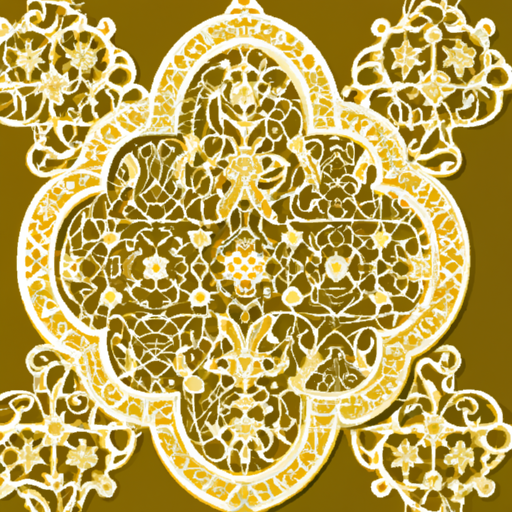
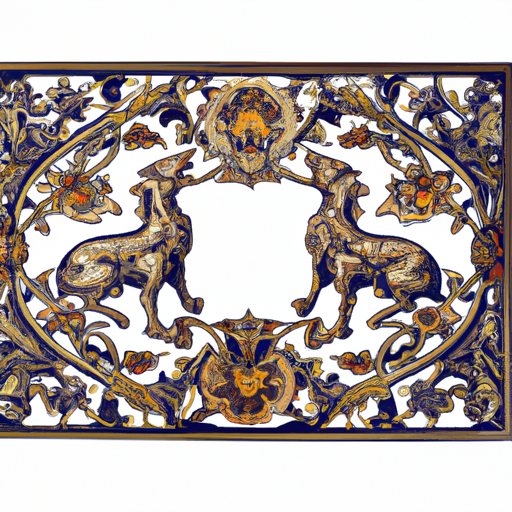
Example of visual style of Akbar

Akbar

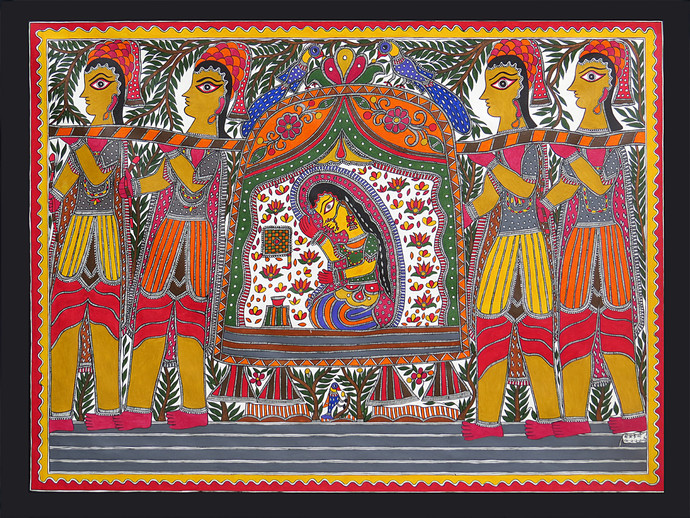
Akbar is a visual style that emerged in the late 16th century during the reign of Emperor Akbar in the Mughal Empire. It reached its peak between 1556 and 1605. This style is renowned for its intricate and detailed artwork, blending Persian, Indian, and Islamic influences. It is characterized by its vibrant colors, intricate patterns, and exquisite craftsmanship. The Akbar style became famous for its fusion of diverse artistic traditions and its emphasis on naturalistic details.

View StyleExplore Style
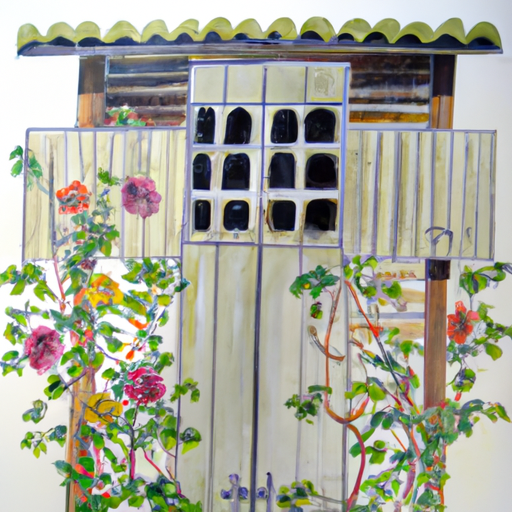
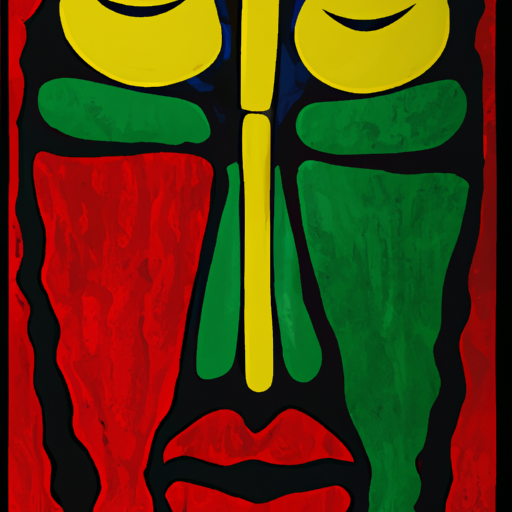
Example of visual style of Barbarian Art

Barbarian Art

Barbarian Art is a style originating from the early medieval period, specifically from the 5th to the 9th century AD. This unique art form gained prominence in various European regions, notably in Celtic, Germanic, and Viking cultures. It is characterized by intricate and bold designs, typically featuring mythological creatures, warriors, and scenes of battle. The use of vibrant colors, intricate patterns, and energetic compositions are the defining features of Barbarian Art, which captured the spirit of the wild and untamed cultures of that time.

View StyleExplore Style
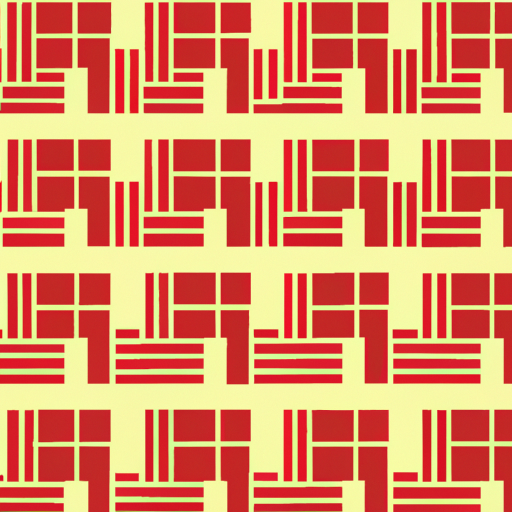
Example of visual style of Geometry

Geometry

Geometry is a visual style characterized by the use of geometric shapes, lines, and patterns. It emerged and gained popularity in the early 20th century, particularly during the 1920s and 1930s. The movement was influenced by advancements in mathematics and science, as well as the growing popularity of industrial design and architecture. Geometry became famous for its emphasis on simplicity, precision, and abstraction, often combining bold colors with clean lines and symmetrical compositions. It was widely used in various art forms, including painting, sculpture, graphic design, and architecture, and had a significant impact on the development of modern art and design.

View StyleExplore Style
Example of visual style of Gucci

Gucci

Gucci is a luxury fashion brand known for its eclectic, bold, and extravagant aesthetic. Founded in Florence in 1921 by Guccio Gucci, the brand gained popularity in the 1960s for its iconic logo and high-quality craftsmanship. Gucci became famous for its innovative designs, incorporating elements such as vibrant colors, intricate patterns, and lavish embellishments. The brand's style is a fusion of traditional Italian luxury and contemporary boldness, creating a unique and distinctive look that has attracted a wide range of fashion enthusiasts and celebrities.

View StyleExplore Style
Example of visual style of Gustavo Pantone

Gustavo Pantone

Gustavo Pantone is a contemporary visual style that combines elements of op art, geometric abstraction, and street art. It emerged in the early 2010s and gained popularity for its futuristic and vibrant aesthetics. Pantone's works are characterized by dynamic patterns, bold lines, optical illusions, and a futuristic color palette. His style has become famous for its ability to create visually captivating and immersive experiences, often playing with the viewer's perception and challenging the boundaries of traditional art forms.

View StyleExplore Style
Example of visual style of Jean Patou

Jean Patou

Jean Patou was a French fashion designer known for his innovative and luxurious designs. His visual style, popular during the 1920s and 1930s, was characterized by a combination of elegance, simplicity, and opulence. Patou was famous for introducing sportswear into high fashion and for his use of bold colors and patterns. He made women's fashion more functional and comfortable while maintaining a sense of sophistication. His glamorous designs became popular among the elite and influential figures of the time.

View StyleExplore Style
Example of visual style of Kobra

Kobra

Kobra is a vibrant and dynamic visual style that emerged in the early 21st century. Known for its bold use of colors and intricate patterns, this style gained popularity in the last decade. Kobra is famous for its attention to detail and the incorporation of geometric shapes and lines. It often features imagery that reflects cultural and social themes, making powerful statements through art. Notable artists who have contributed to the Kobra style include Eduardo Kobra and his team of talented muralists.

View StyleExplore Style
Home