StylopediaStylopedia

Pastel colors styles on Stylopedia

A visual encyclopedia of pastel colors styles – use as prompt inspiration for Midjourney, Gemini, or ChatGPT AI when making pastel colors images

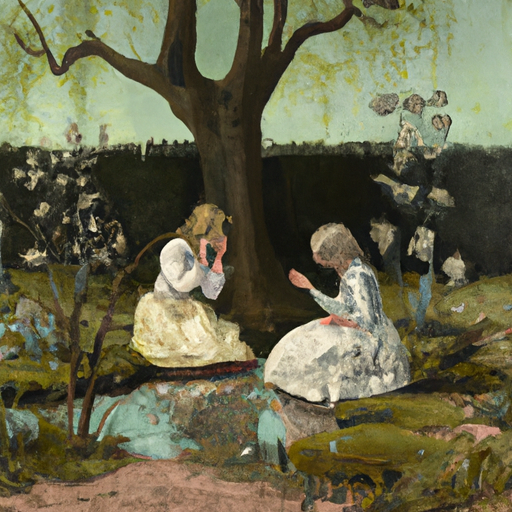
Example of visual style of Antoine Watteau

Antoine Watteau

Antoine Watteau was a French painter of the Rococo style in the early 18th century. His style is characterized by delicate pastel colors, fluid brushstrokes, and a sense of movement. Watteau's paintings often depicted fêtes galantes, which were scenes of elegant outdoor gatherings and romantic themes set in lush landscapes. His works showcased a combination of fantasy and reality, evoking a sense of enchantment and escapism. Watteau's art became famous for its portrayal of the aristocratic lifestyle and its influence on the Rococo movement in France.

View StyleExplore Style
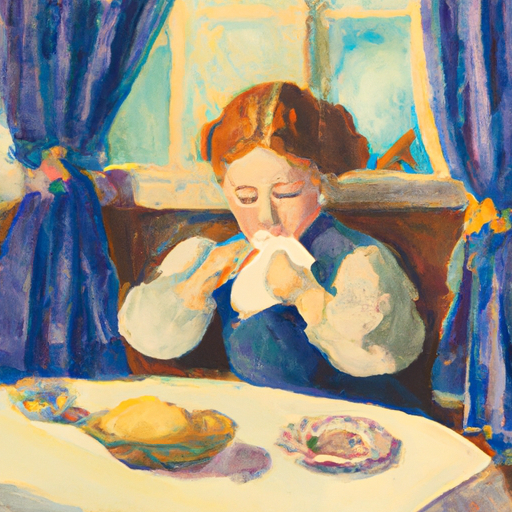
Example of visual style of Edwardian Era

Edwardian Era

The Edwardian Era visual style refers to the period between 1901 and 1910, during the reign of King Edward VII in the United Kingdom. It is characterized by a blend of different design influences, including Art Nouveau, Arts and Crafts, and elements from the previous Victorian era. This style is known for its elegance, sophistication, and grandeur, epitomizing the opulent lifestyle of the upper class during this time. It is often associated with ornate and intricate details, luxurious fabrics, pastel color palettes, and a sense of romanticism. The Edwardian Era became famous for its fashionable clothing, extravagant interiors, and the emergence of notable designers such as Charles Rennie Mackintosh and Louis Comfort Tiffany.

View StyleExplore Style
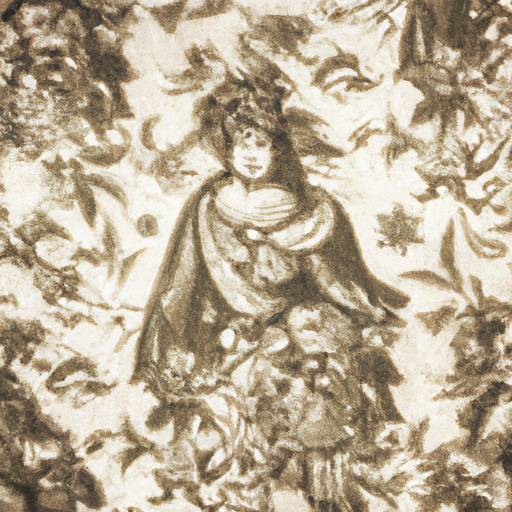
Example of visual style of Madame De Pompadour

Madame De Pompadour

Madame De Pompadour is a visual style that emerged during the 18th century in France, particularly during the reign of Louis XV. It is named after Jeanne-Antoinette Poisson, Marquise de Pompadour, who was the official chief mistress of Louis XV and a prominent patroness of the arts. This style is characterized by its lavishness, opulence, and rococo aesthetics. It is famous for its intricate ornamentation, delicate pastel colors, and asymmetrical designs. The style reached its peak in the mid-18th century and was widely used in interior design, fashion, and decorative arts.

View StyleExplore Style
Example of visual style of Madeleine De Puisieux

Madeleine De Puisieux

Madeleine De Puisieux is a visual style that emerged in the 18th century France and became famous for its delicate and elegant aesthetics. It is characterized by its use of pastel colors, intricate details, and romantic motifs. This style gained popularity during the Rococo period, specifically in the years 1730 to 1770. Madeleine De Puisieux is known for her intricate designs in fashion and interior decoration, incorporating elements such as floral patterns, gilded accents, and ornate furniture. The style became famous for its ability to create a sense of opulence and luxury while maintaining a delicate and feminine appeal.

View StyleExplore Style
Example of visual style of Marie Antoinette

Marie Antoinette

The Marie Antoinette style emerged in the late 18th century during the reign of the French queen Marie Antoinette (1774-1792). Known for its opulence and excess, this visual style was famous for its extravagant and lavish aesthetic. Encapsulating the spirit of the Rococo period, it featured ornate decorations, intricate detailing, pastel color palettes, and an abundance of luxurious fabrics such as silk, satin, and lace. This style symbolized the excesses of the French monarchy and became iconic for its association with Marie Antoinette's extravagant lifestyle.

View StyleExplore Style
Example of visual style of Marquise De Pompadour

Marquise De Pompadour

Marquise De Pompadour is a visual style that emerged during the mid-18th century in France. It is named after Jeanne Antoinette Poisson, the Marquise de Pompadour, who was the official chief mistress of King Louis XV of France. This style is known for its elegance, sophistication, and extravagant details. It flourished between the years of 1745 and 1755, during the Rococo period. The Marquise de Pompadour was a prominent patron of the arts and played a significant role in promoting the Rococo style, which became popular in Europe during her time. The visual style is characterized by its opulent and exquisite ornamentation, delicate pastel colors, asymmetrical compositions, curvaceous forms, and floral motifs.

View StyleExplore Style
Example of visual style of Mary Cassatt

Mary Cassatt

Mary Cassatt was an American painter and printmaker known for her depiction of the intimate lives of women, particularly mothers and children. She was active during the late 19th and early 20th centuries and is famous for her association with the Impressionist movement. Cassatt's style is characterized by its soft, pastel colors, delicate brushwork, and emphasis on the everyday lives of women and children. She often focused on capturing the tender moments and relationships between mothers and their children. Cassatt's work gained recognition for its sensitive portrayal of maternal bonds and her ability to depict the human figure with great skill and emotion.

View StyleExplore Style

Example of visual style of Mokona

Mokona

Mokona is a cute and playful visual style that emerged in the late 1990s and gained popularity in early 2000s. It is named after Mokona Apapa, a character created by the all-female Japanese manga artist group, CLAMP. This style is characterized by its adorable and round-eyed characters with exaggerated expressions and chibi proportions. Mokona illustrations often feature vibrant and pastel colors, with a focus on soft and delicate shading techniques. The style became famous for its ability to capture the essence of innocence and whimsy, appealing to both children and adults alike.

View StyleExplore Style
Example of visual style of Rococo

Rococo

Rococo is a decorative and ornate art style that flourished in Europe during the 18th century. It reached its peak in the mid-1700s and was especially popular in France. Rococo is characterized by its emphasis on lavish decoration, delicate details, and a playful and lighthearted atmosphere. This style is known for its use of pastel colors, intricate patterns, curvaceous forms, and motifs inspired by nature. Notable features include asymmetric designs and the portrayal of romantic and mythological themes. Rococo became famous for its association with the French aristocracy and its luxurious and extravagant interiors.

View StyleExplore Style
Example of visual style of Romantic Fashion

Romantic Fashion

Romantic Fashion emerged in the late 18th century and reached its peak during the 19th century. This style was characterized by a focus on femininity, delicacy, and elegance. Romantic fashion was known for its soft, flowing fabrics, pastel colors, and intricate details such as lace, ruffles, and bows. It often included empire-waist dresses, corsets, puffed sleeves, and floral prints. Romantic Fashion became famous during the Victorian era, when women's fashion underwent a dramatic transformation emphasizing a romanticized and sentimental aesthetic.

View StyleExplore Style
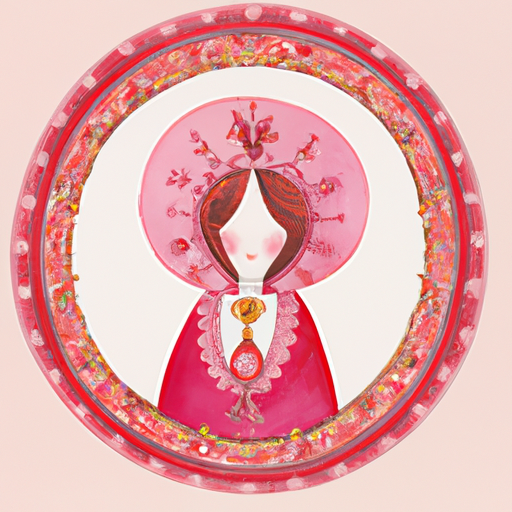
Example of visual style of Shabby Chic

Shabby Chic

Shabby Chic is a design style that emerged in the 1980s and became popular in the late 1990s and early 2000s. It is known for its vintage, worn, and slightly distressed aesthetic. The style often incorporates pastel colors, floral patterns, and antique or repurposed furniture. Rachel Ashwell, an English interior designer, is credited with popularizing the Shabby Chic look through her furniture and home decor stores. The style became famous for its ability to create a cozy, nostalgic atmosphere with a touch of elegance.

View StyleExplore Style
Example of visual style of Shōjo

Shōjo

Shōjo is a visual style that originated in Japan in the late 19th century and gained prominence in the mid-20th century. It is characterized by its focus on young, feminine aesthetics, delicate lines, and pastel color palettes. Shōjo gained popularity in the 1950s and 1960s with the rise of manga and anime targeted towards young girls. The style became famous for its expressive characters, romantic narratives, and emotional storytelling, often exploring themes of love, friendship, and personal growth.

View StyleExplore Style
Home