
Chinese Brush Painting
Chinese Brush Painting is a traditional style of East Asian art that dates back to ancient times. This style is known for its use of brush strokes, ink, and watercolor on silk or paper.
View StyleExplore Style Stylopedia
A visual encyclopedia of paper styles – use as prompt inspiration for Midjourney, Gemini, or ChatGPT AI when making paper images
Chinese Brush Painting is a traditional style of East Asian art that dates back to ancient times. This style is known for its use of brush strokes, ink, and watercolor on silk or paper.
View StyleExplore Style
Isamu Noguchi was a Japanese-American artist and landscape architect known for his distinctive sculptural style. His work spanned several decades, from the 1920s to the 1980s, and he gained fame for his ability to blend Eastern and Western artistic influences. Noguchi's sculptures were characterized by clean lines and organic forms, often featuring bold geometric shapes and smooth polished surfaces. His use of materials, such as stone, metal, wood, and paper, added depth and texture to his creations. Noguchi's integration of sculpture into the landscape became his trademark, as he believed that art should be accessible and interact with its surroundings. His famous works include the Akari Light Sculptures, the Noguchi Table, and the Playscapes. Noguchi's unique style and ability to seamlessly merge different cultural aesthetics have made him one of the most renowned artists of the 20th century.
View StyleExplore Style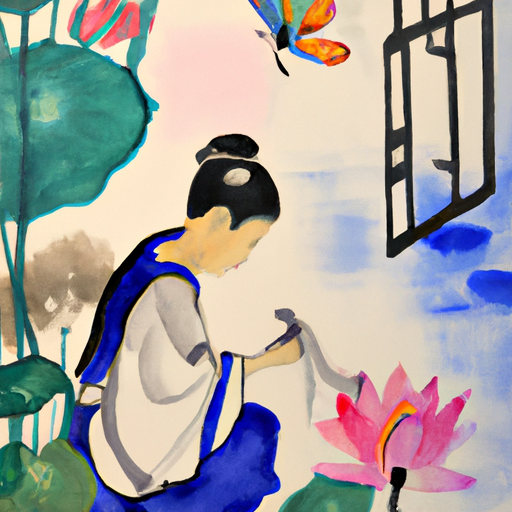
Li Xian is a visual style originating from China in the Tang dynasty (618-907 AD) characterized by its use of ink wash painting techniques on silk or paper. This style is known for its intricate attention to detail and elegant simplicity.
View StyleExplore Style
Miriam Schapiro was a prominent figure in the feminist art movement. Her visual style emerged in the 1970s and is characterized by a vibrant and colorful aesthetic. Schapiro's work often incorporated collage and mixed media, combining various materials such as fabric, paper, and paint. Her central themes included femininity, domesticity, and the role of women in society. Schapiro's style gained fame for its bold use of color and its innovative approach to incorporating traditional craft techniques into fine art.
View StyleExplore Style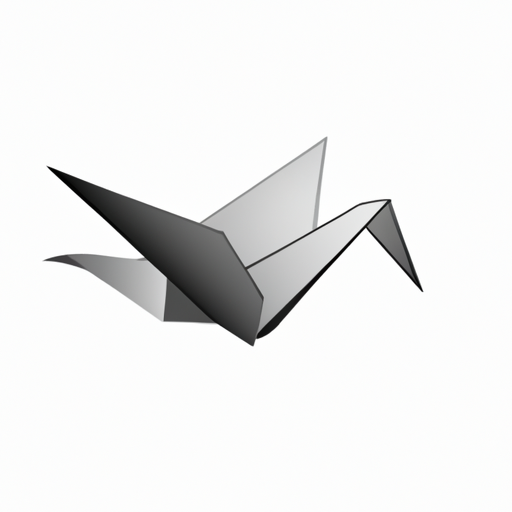
Origami is the art of paper folding that originated in Japan around the 17th century. It involves creating intricate designs and sculptures using a single sheet of paper without cutting or gluing.
View StyleExplore Style
Paper art is a visual style that involves the creation of artwork using paper as the primary medium. This style became popular in the 20th century with artists like Elsa Mora and Peter Callesen incorporating intricate paper cutting and folding techniques into their designs.
View StyleExplore Style
Papercraft is a style of creating 3D models using cut-out paper sheets. It gained popularity in the early 2000s due to its DIY appeal and ability to create intricate designs with simple materials.
View StyleExplore Style
Ron Resch was a designer known for his innovative geometric patterns and structures in the 1960s and 1970s. His work gained fame for its intricate and mathematical designs created using primarily paper and other materials.
View StyleExplore Style
Stationery design refers to the visual style of paper goods such as letterheads, business cards, and envelopes. This style became famous in the late 19th century with the rise of mass printing presses.
View StyleExplore Style