StylopediaStylopedia

Paintings styles on Stylopedia

A visual encyclopedia of paintings styles – use as prompt inspiration for Midjourney, Gemini, or ChatGPT AI when making paintings images

Example of visual style of Houses Of Parliament

Houses Of Parliament

Houses Of Parliament is a historical visual style that emerged in the 19th century. It became famous through the iconic paintings of the same name by Claude Monet. These paintings, created between 1899 and 1904, depict the Houses of Parliament in London with their grand Gothic architecture. Monet's use of loose brushwork and vibrant colors helps to capture the atmosphere and changing light conditions of the scenes. The series is renowned for its unique impressionistic style, presenting a new way of capturing urban landscapes.

View StyleExplore Style
Example of visual style of J.R.R. Tolkien

J.R.R. Tolkien

J.R.R. Tolkien's visual style is characterized by intricate and detailed illustrations that bring to life the fantastical worlds he created in his novels. Active from the early 20th century to the late 1970s, Tolkien's art gained fame through his renowned novels such as 'The Hobbit' and 'The Lord of the Rings'. His drawings and paintings showcase his talent in crafting highly imaginative and mythical landscapes, creatures, and characters. With his attention to intricate details and rich symbolism, Tolkien's visual style has become iconic in the realm of fantasy art and literature.

View StyleExplore Style
Example of visual style of Korean Mythology

Korean Mythology

Korean Mythology is a visual style that draws inspiration from the ancient myths and folklore of Korea. It showcases the unique and vibrant aesthetic present in Korean culture, often incorporating elements such as nature, spirituality, and symbolism. This style became particularly famous during the Joseon Dynasty (1392-1897), when it was widely used in traditional paintings, architecture, and decorative arts. It gained popularity through the intricate depictions of mythical creatures, celestial beings, and epic tales, capturing the imagination of both locals and foreigners.

View StyleExplore Style
Example of visual style of Yinka Shonibare

Yinka Shonibare

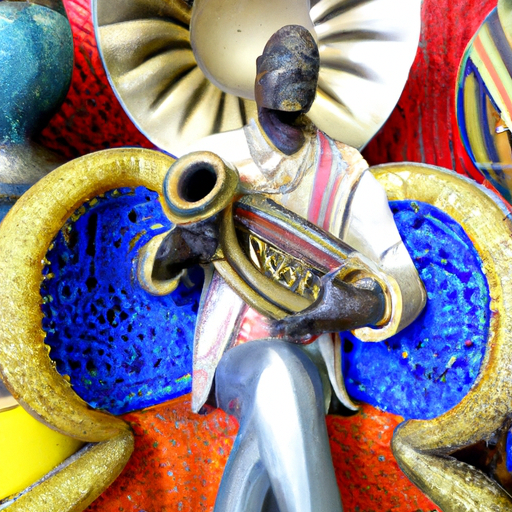
Yinka Shonibare is a contemporary Nigerian-British artist known for his use of African textiles in sculptures, installations, and paintings. His signature style is characterized by vibrant, colorful fabrics that wrap around his sculptures, symbolizing the complex interplay between African and European cultures. Shonibare's work often explores themes of colonialism, globalization, identity, and power dynamics. His fusion of traditional African patterns with Western art forms has made him renowned internationally and has cemented his unique place in the contemporary art world.

View StyleExplore Style
Example of visual style of Yoshio Markino

Yoshio Markino

Yoshio Markino is known for his vibrant and expressive visual style that captured the essence of early 20th century London. Born in 1869 in Japan, Markino moved to London in 1897, where he immersed himself in the city's bustling culture and vibrant art scene. His unique style emerged in the early 1900s and gained recognition for its vivid colors, dynamic compositions, and a fusion of Japanese and Western artistic influences. Markino's artworks beautifully depicted London's landscapes, cityscapes, and its diverse people, showcasing the energy and vitality of the era. His illustrations and paintings often showcased everyday scenes, cultural events, and famous landmarks, offering a fascinating glimpse into the lives of Londoners. Markino's visual style was particularly famous during the early 20th century when he achieved great success as an artist and illustrator.

View StyleExplore Style
Home