
A Thousand Li Of Rivers And Mountains
A Chinese landscape painting style developed in the 12th century during the Song dynasty, known for its intricate details of rivers, mountains, and nature scenes.
View StyleExplore Style Stylopedia
A visual encyclopedia of painting styles – use as prompt inspiration for Midjourney, Gemini, or ChatGPT AI when making painting images
A Chinese landscape painting style developed in the 12th century during the Song dynasty, known for its intricate details of rivers, mountains, and nature scenes.
View StyleExplore Style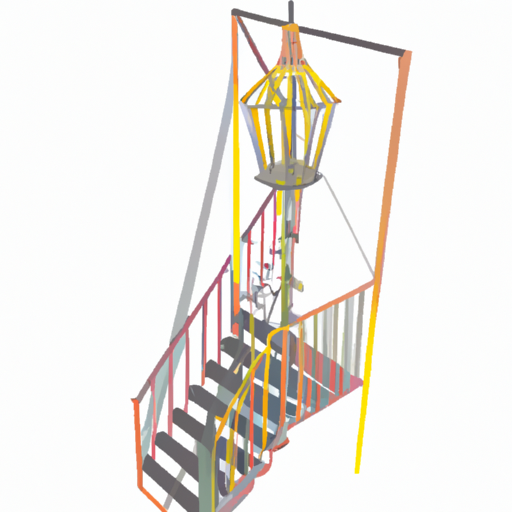
Alexa Meade is known for her unique approach to painting that involves creating three-dimensional artworks on top of real-life subjects. She gained popularity in the early 2010s for her captivating style, which blurs the boundaries between painting and photography. Meade's technique involves meticulously painting her subjects, including their skin, clothes, and surroundings, in a way that makes them look like two-dimensional paintings. This trompe-l'oeil effect creates an optical illusion, challenging the viewer's perception of reality. Meade's work has been widely shared on social media platforms, making her style instantly recognizable and fostering a new wave of interest in the intersection of painting and photography.
View StyleExplore Style
Anselm Kiefer is a German painter known for his expressive and monumental works. His style emerged in the late 1960s and is characterized by a combination of painting, sculpture, and assemblage techniques. Kiefer's artworks often explore themes of memory, history, and the collective German identity. He gained fame in the 1980s for his controversial series 'Heroic Symbols' which reinterpreted Nazi symbols to challenge Germany's past. Kiefer's works are renowned for their large-scale and textured surfaces, often featuring a mix of materials such as straw, clay, ashes, and lead.
View StyleExplore Style
Anselm Kiefer Exhibition is characterized by a unique and powerful visual style that combines elements of painting, sculpture, and installation art. It emerged in the late 20th century and became famous for its exploration of complex historical, mythological, and philosophical themes. Anselm Kiefer's works often evoke a sense of melancholy and contemplation, with large-scale and heavily textured pieces that incorporate a wide range of materials, such as lead, ash, straw, and glass. The exhibition showcases Kiefer's masterful use of symbolism, juxtaposition, and layering to convey deep emotional and intellectual messages.
View StyleExplore Style
Chardin is a style of painting that emerged in France in the 18th century. It is named after the artist Jean-Baptiste-Siméon Chardin, who is considered one of the greatest exponents of this style. Chardin's paintings are known for their remarkable attention to detail and their ability to capture the beauty of everyday objects and scenes. His works often depict still lifes, genre scenes, and domestic interiors. Chardin achieved fame and recognition for his distinctive use of light, subtle color palette, and masterful technique. His paintings became revered for their emotional depth and realistic portrayal of the material world.
View StyleExplore Style
Cheri Samba is a vibrant and colorful visual style that emerged in the late 20th century, particularly in the Democratic Republic of the Congo. It gained popularity in the 1980s and 1990s. Cheri Samba is known for its distinctive blend of painting and text, often featuring social and political commentary. The style incorporates bold, bright colors, intricate patterns, and expressive figures to create visually captivating artworks. Cheri Samba's unique fusion of art and text has made it famous for its ability to communicate powerful messages in an accessible and relatable way.
View StyleExplore Style
Dai Jin was a Ming dynasty painter known for his meticulous brushwork and traditional Chinese landscape painting. His work became famous in the 16th century for its harmonious compositions and detailed depictions of nature.
View StyleExplore Style
Danwon is a Korean traditional painting style developed by Shin Yun-bok in the late 18th century. Known for its meticulous detail, vibrant colors, and depiction of everyday life.
View StyleExplore Style
Digital painting is a style of art where traditional painting techniques are applied using digital tools such as a computer, tablet, or stylus. This style gained popularity in the late 20th century as advancements in technology allowed for more realistic and detailed digital artwork.
View StyleExplore Style
El Lissitzky, also known as Lazar Markovich Lissitzky, was a Russian artist, designer, and architect. Active during the early 20th century, Lissitzky was a prominent figure in the Russian avant-garde movement. He is known for his unique and influential style that combined geometric forms, bold colors, and dynamic compositions. Lissitzky's work in various mediums such as painting, typography, photomontage, and architecture played a significant role in the development of modern art and design. His innovative use of abstract shapes, asymmetry, and the integration of typography into visual compositions brought a fresh and dynamic approach to visual communication and had a lasting impact on graphic design and the Constructivist movement.
View StyleExplore Style
Emperor Huizong was a Chinese emperor during the Song dynasty known for his artistic achievements in calligraphy, painting, and ceramics between 1100-1125. His style is characterized by delicate brushwork and detailed depictions of nature, particularly birds and flowers.
View StyleExplore Style
Faith Ringgold is known for her visually stunning and socially conscious works, blending quilting, painting, and storytelling. Her style emerged in the 1960s during the height of the Civil Rights Movement and the Feminist Movement. Ringgold's famous use of vibrant colors, intricate patterns, and geometric shapes created a visual impact that captivated audiences. Her focus on themes such as race, power, and gender inequality made her a prominent figure in the feminist art movement. Ringgold's art became famous not only for its aesthetic beauty but also for the powerful messages it conveyed, inspiring dialogue and challenging societal norms.
View StyleExplore Style
The Group of Seven were Canadian landscape painters active from 1920 to 1933. They are known for their distinctive style of capturing the rugged wilderness of Canada in vibrant colors and bold brushwork.
View StyleExplore Style
Ha Chong Hyun is a Korean artist known for his innovative approach to painting. He is a prominent figure in the Dansaekhwa movement of the 1970s, which emphasized the materiality of paint and gesture on the canvas.
View StyleExplore Style
Hyon Gyon is a contemporary South Korean artist known for her vibrant and chaotic mixed-media works that combine painting, sculpture, and installation art. Her use of bold colors, expressive brushstrokes, and energetic compositions gained recognition in the early 2000s.
View StyleExplore Style
Illustration is a visual style that combines drawing, painting, and graphic design to create images that often accompany text. It became popular during the late 19th and early 20th centuries as advancements in printing technology allowed for detailed illustrations to be reproduced in books and magazines.
View StyleExplore Style
Jmw Turner was a prominent English landscape painter and watercolorist during the late 18th and early 19th centuries. His style is characterized by its luminosity, atmospheric effects, and expressive brushwork. Turner's works were famous for their dramatic portrayal of light and weather conditions, often capturing the transient nature of the natural world. His innovative techniques and bold use of color brought a new level of emotional intensity to landscape painting, making him a leading figure in the Romantic movement.
View StyleExplore Style
Johannes Stotter is known for his extraordinary body art illusions where he painstakingly paints human bodies to blend seamlessly into various backgrounds, creating stunning optical illusions.
View StyleExplore Style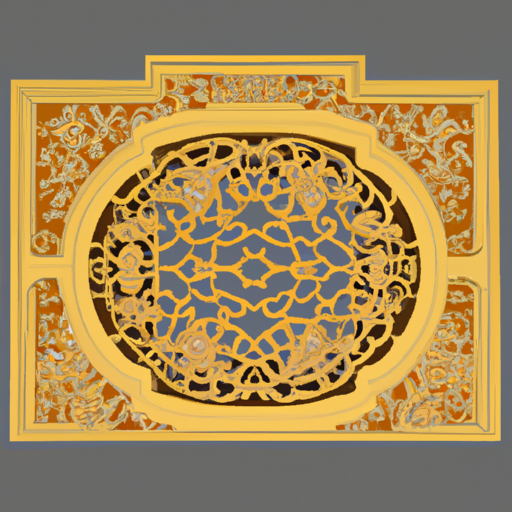
The Joseon Dynasty was a Korean dynastic kingdom that lasted for over 500 years from 1392 to 1897. The visual style of the Joseon Dynasty is characterized by its traditional and elegant aesthetics, which reflected the Confucian principles of the time. It is famous for its emphasis on simplicity, balance, and harmony in both its architecture and visual arts. The dynasty's golden age of cultural achievements occurred during the 15th and 16th centuries, with notable advancements in literature, ceramics, and painting.
View StyleExplore Style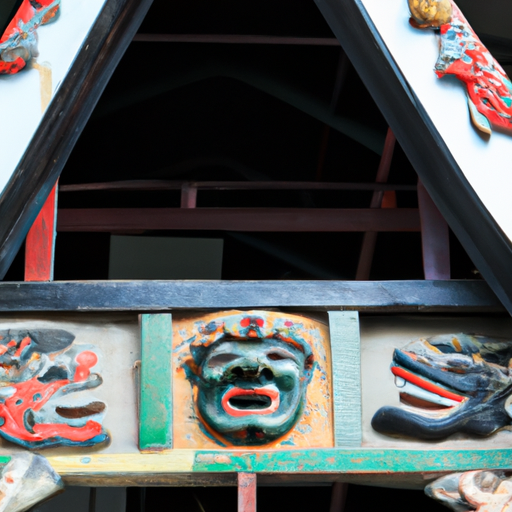
Kan School was a style of painting in China during the Ming dynasty characterized by meticulous brushwork, intricate details, and a subtle use of color. It was made famous during the 16th century for its highly realistic depictions of nature and everyday life.
View StyleExplore Style
Korean art history encompasses various art forms including traditional painting, sculpture, ceramics, and calligraphy. Influenced by Confucianism, Buddhism, and Taoism, Korean art is known for its delicate brushwork, vibrant colors, and focus on nature and spirituality.
View StyleExplore Style
Korean Genre Painting, also known as 'bosalhwa', flourished during the Joseon Dynasty between the 18th and 19th centuries. Known for detailed depictions of daily life and social customs.
View StyleExplore Style
Mary Gregory was an American artist who specialized in painting delicate scenes of children on glassware during the late 19th and early 20th centuries. Her work became famous for its charming, nostalgic depictions and intricate detailing.
View StyleExplore Style
Mi Fu was a renowned Chinese painter, calligrapher, and poet during the Song dynasty (960-1279). His style focused on subtle brushwork and expressive ink washes, capturing the essence of the subjects with minimalistic details.
View StyleExplore Style
Neo Dada is an art movement that emerged in the 1950s and reached its peak in the 1960s. It is characterized by an eclectic and unconventional approach, often using everyday objects and found materials to create artworks. The artists associated with Neo Dada aimed to challenge traditional notions of art and aesthetic by combining elements of performance, sculpture, painting, and collage. Neo Dada became famous for its rejection of rationality and embrace of absurdity, randomness, and chance in artistic creation.
View StyleExplore Style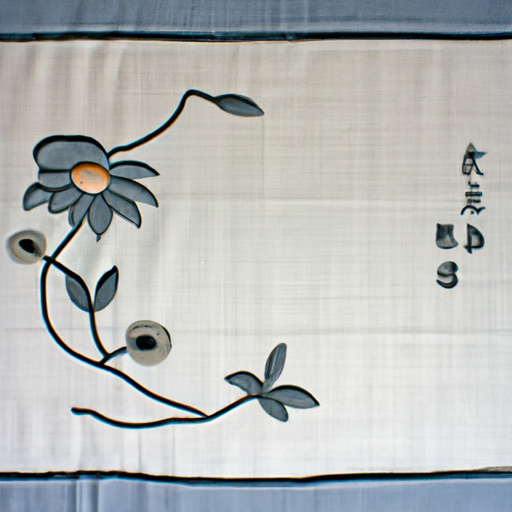
Ogata Kenzan was a renowned Japanese potter and painter during the Edo period. He is famous for his intricate and colorful designs inspired by nature, using bold brush strokes and vivid colors to create works that are both ornate and refined.
View StyleExplore Style
Pattachitra is a traditional style of painting from Odisha, India, dating back to the 12th century. It is known for intricate details, vibrant colors, and mythological storytelling.
View StyleExplore Style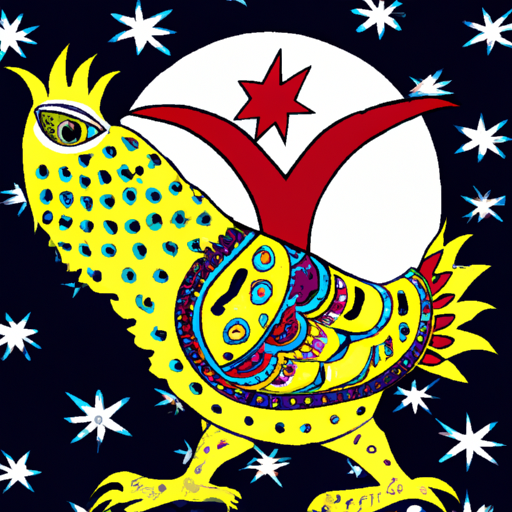
Persian Miniature Art is a style of miniature painting that originated in Persia around the 13th century. Known for its intricate details, bright colors, and depiction of Persian culture and landscapes.
View StyleExplore Style
Pierre et Gilles is a collaborative artist duo consisting of Pierre Commoy and Gilles Blanchard. This visual style emerged in the 1970s and became famous for their unique blend of photography and painting. Their works often feature highly stylized portraits of celebrities and everyday individuals, combining elements of pop art, kitsch, and homoeroticism. Pierre et Gilles gained recognition in the 1980s for their vibrant and meticulously staged compositions that challenge traditional notions of beauty and gender, exploring themes of desire, religion, and mythology.
View StyleExplore Style
Qing Dynasty Art flourished during the rule of the Qing Dynasty in China (1644-1912). Known for its intricate detail, vibrant colors, and symbolic motifs, this style encompasses various art forms including painting, calligraphy, and ceramics.
View StyleExplore Style
Ren Yu, a traditional Chinese painting style, emerged during the Northern Song Dynasty in the 10th century. Known for its intricate brushwork, delicate lines, and detailed depictions of nature, Ren Yu paintings often feature birds, flowers, and landscapes.
View StyleExplore Style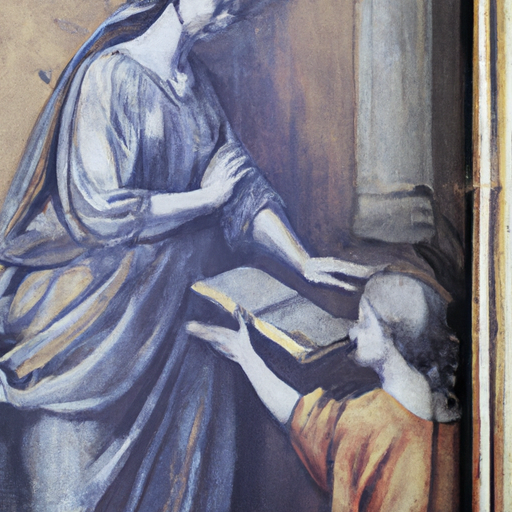
Renaissance is an artistic style that emerged in Europe between the 14th and 17th centuries. It is characterized by a revival of interest in classical Greek and Roman culture, as well as an emphasis on humanism and realism. This period is famous for its masterpieces in painting, sculpture, and architecture, created by renowned artists such as Leonardo da Vinci, Michelangelo, and Raphael.
View StyleExplore Style
Richard Wood is a contemporary visual artist known for his signature style of creating detailed and intricate wood grain patterns on everyday objects and surfaces, blurring the line between sculpture and painting. His work gained popularity in the 2000s for its unique combination of craftsmanship and conceptual art.
View StyleExplore Style
Robert Motherwell's visual style is characterized by his abstract expressionist paintings which were created from the 1940s to the 1990s. His works played a significant role in the Abstract Expressionism movement and made him one of the foremost American artists of his time. Motherwell's paintings often featured bold, geometric shapes, expressive brushwork, and a limited color palette. His use of black was particularly notable, as it created a sense of depth and contrast in his compositions. Motherwell's style became famous for its strong emotional impact and its ability to convey the complexity of human experience.
View StyleExplore Style
Torii School is a traditional Japanese painting style that flourished during the Edo period (1603-1868). It is named after the Torii family, who were renowned artists of this style. Torii School became famous for its vibrant and dynamic illustrations, typically depicting kabuki actors, historical events, and folklore. The style gained popularity due to its ability to capture the dramatic expressions and movements of the subjects, making the paintings come alive.
View StyleExplore Style
Traditional Chinese Art includes a diverse range of styles developed over thousands of years, including calligraphy, painting, and ceramics. Influenced by Confucianism, Taoism, and Buddhism, this style is characterized by flowing lines, bold colors, and harmonious compositions.
View StyleExplore Style
Traditional Chinese Landscape Painting is a style that emerged in ancient China, characterized by its use of brush strokes, ink, and watercolor to depict landscapes in a minimalist and poetic way. It became famous during the Tang and Song dynasties.
View StyleExplore Style
Wang Bu is a traditional Chinese painting style that originated during the Ming Dynasty (1368-1644) and became popular during the Qing Dynasty (1644-1912). Known for its meticulous and realistic depictions of nature, Wang Bu paintings often feature landscapes, flora, and fauna in a detailed and intricate manner.
View StyleExplore Style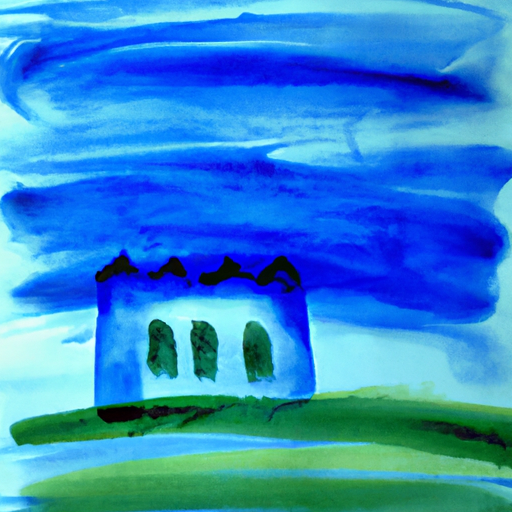
The wet on wet technique is a painting style characterized by applying wet paint onto wet paint already on the canvas. This technique became famous in the mid-19th century and continues to be popular among artists. By keeping the paint wet, it allows colors to blend and create soft transitions and atmospheric effects. This technique is known for its spontaneity and the ability to capture the essence of a subject quickly.
View StyleExplore Style
Yuan Dynasty Art flourished during the Yuan Dynasty in China (1271-1368). It is known for its intricate and detailed traditional Chinese painting, calligraphy, and ceramics.
View StyleExplore Style
Yue Fei is a traditional Chinese painting style known for its detailed brushwork and vibrant colors. It originated in the Song dynasty (960-1279) and became famous for its depictions of historical figures and events, especially the revered General Yue Fei.
View StyleExplore Style
Zeuxis was a Greek painter known for his highly detailed and realistic paintings in the 5th century BC. He was famous for his ability to capture intricate details and create lifelike imagery.
View StyleExplore Style