StylopediaStylopedia

Painter styles on Stylopedia

A visual encyclopedia of painter styles – use as prompt inspiration for Midjourney, Gemini, or ChatGPT AI when making painter images

Example of visual style of Jacob Lawrence

Jacob Lawrence

Jacob Lawrence was an American painter and printmaker who became famous for his unique visual style that merged elements of modernism and African American folklore. His work primarily focused on depicting the African American experience, particularly the Great Migration and the struggles and achievements of black people. Lawrence rose to prominence in the 1940s with his iconic series called 'Migration of the Negro,' which consisted of 60 paintings narrating the mass movement of African Americans from the rural South to the urban North. His bold use of color, simplified forms, and narrative storytelling made him one of the most prominent and important artists of the Harlem Renaissance.

View StyleExplore Style
Example of visual style of Jean Baptiste Huet

Jean Baptiste Huet

Jean Baptiste Huet was a French painter and designer who lived from 1745 to 1811. He was known for his delicate and charming Rococo style, which became famous during the late 18th century. Huet's works often featured pastoral scenes, with an emphasis on nature, landscapes, and animals. His paintings were characterized by their soft color palette, graceful compositions, and intricate details. Huet's work became highly sought after and was popularized due to its romanticized depictions of the countryside, which resonated with the growing appreciation for idyllic rural life during that time.

View StyleExplore Style
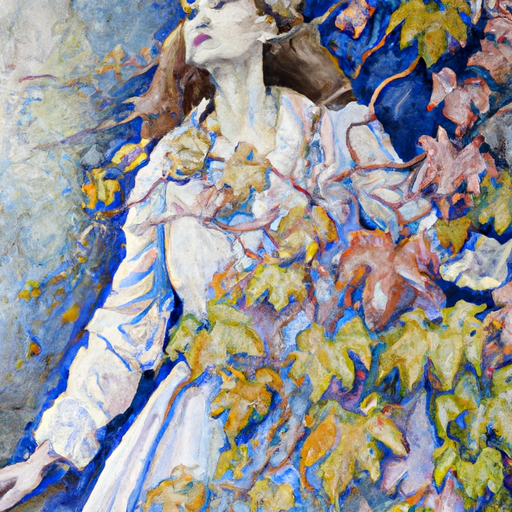
Example of visual style of John La Farge

John La Farge

John La Farge was an American painter, muralist, and stained-glass window designer who became renowned for his innovative use of color in art. Active during the late 19th and early 20th century, La Farge's style emerged as a reaction to the detailed realism of the Hudson River School. He focused on capturing the mood and atmosphere of a subject rather than exact representation. La Farge is best known for his landscapes, marine scenes, and captivating studies of light and color. His experimentation with opalescent glass in his stained-glass windows earned him popularity in this medium as well.

View StyleExplore Style
Example of visual style of Joseph Mallord William Turner

Joseph Mallord William Turner

Joseph Mallord William Turner was a prominent English Romantic landscape painter during the late 18th and early 19th centuries. His unique visual style is characterized by his innovative use of light and color, capturing the transformative effects of nature and atmospheric conditions. Turner's works became famous for their dramatic and emotive qualities, often evoking a sense of awe and sublimity. His mature period, from the 1820s to 1850s, saw him experimenting with abstraction and pushing the boundaries of traditional landscapes. Turner's attention to detail, vibrant palettes, and expressive brushwork made him one of the most influential landscape painters of his time.

View StyleExplore Style
Example of visual style of Lucas Cranach The Elder

Lucas Cranach The Elder

Lucas Cranach the Elder (1472-1553) was a German Renaissance painter and printmaker. He is famous for his detailed and vibrant paintings, characterized by their meticulous execution and rich colors. Cranach's style combines elements of the Northern Renaissance with influences from Italian art. His works often depict religious subjects, mythological scenes, and portraits of nobility. Cranach's unique visual style became popular during the 16th century and continues to be admired for its decorative qualities and expressive compositions.

View StyleExplore Style
Example of visual style of Nc Wyeth

Nc Wyeth

Nc Wyeth was an American painter and illustrator during the late 19th and early 20th centuries. His visual style is characterized by highly detailed and vibrant oil paintings with a focus on narrative storytelling. Wyeth became famous for his illustrations of adventure and historical books, particularly for his work on Treasure Island, Robin Hood, and The Last of the Mohicans. His use of dramatic lighting and bold composition techniques brought his subjects to life and established him as one of the most prominent illustrators of his time.

View StyleExplore Style
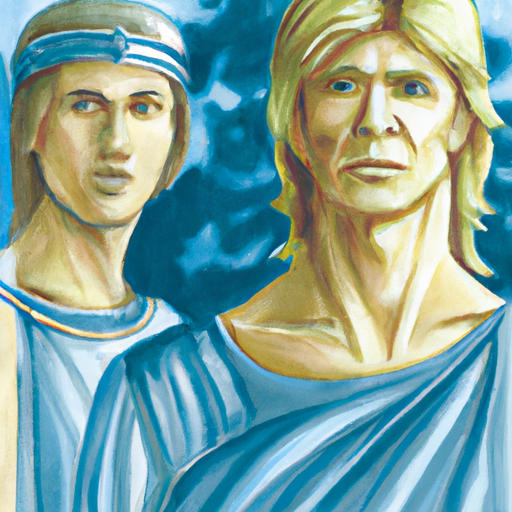
Example of visual style of Phidias

Phidias

Phidias was a Greek sculptor, painter, and architect who lived between 480-430 BCE. He is considered one of the greatest artists of Classical antiquity. Phidias became famous for his magnificent sculptures, particularly his monumental statues made of bronze or marble. His works were celebrated for their idealized forms, realistic drapery, and attention to detail. Phidias is best known for creating the massive statue of Zeus at Olympia, one of the Seven Wonders of the Ancient World.

View StyleExplore Style
Home