StylopediaStylopedia

Otherworldly styles on Stylopedia

A visual encyclopedia of otherworldly styles – use as prompt inspiration for Midjourney, Gemini, or ChatGPT AI when making otherworldly images

Example of visual style of Don Dixon

Don Dixon

The Don Dixon visual style emerged in the 1970s and gained significant popularity in the 1980s. Known for his vivid and highly detailed science fiction and astronomical illustrations, Dixon's work encapsulated the spirit of space exploration and futuristic concepts. His illustrations were characterized by a combination of technical precision and imaginative storytelling, bringing to life the wonders of the cosmos. Dixon's attention to scientific accuracy and his ability to create breathtaking scenes filled with otherworldly landscapes and space vehicles made his work iconic in the field of space art.

View StyleExplore Style
Example of visual style of Et The Extra Terrestrial

Et The Extra Terrestrial

The visual style of 'Et The Extra Terrestrial' is a heartwarming blend of science fiction and fantasy. Released in 1982, the film became famous for its emotional storytelling, iconic imagery, and imaginative effects. Directed by Steven Spielberg, this style is characterized by its whimsical and otherworldly atmosphere, showcasing a child's perspective and sense of wonder when encountering an alien. It captured the hearts of millions and is regarded as a classic in cinema history.

View StyleExplore Style
Example of visual style of Fantasy Films

Fantasy Films

Fantasy Films is a visual style that focuses on creating magical and imaginative worlds through the use of special effects and otherworldly elements. This style became famous in the early 20th century with the advent of cinema and the desire to transport audiences into fantastical realms. It gained popularity with iconic films such as The Wizard of Oz (1939) and later with franchises like The Lord of the Rings (2001-2003) and Harry Potter (2001-2011). Through the use of enchanting settings, mythical creatures, and epic narratives, fantasy films captivate viewers with their ability to suspend reality and immerse audiences in extraordinary storytellings.

View StyleExplore Style
Example of visual style of Franois Schuiten

Franois Schuiten

Franois Schuiten is a Belgian comic book artist and illustrator known for his highly detailed and intricate architectural drawings. His unique visual style, which emerged in the 1980s, combines elements of Art Nouveau and Science Fiction, resulting in a blend of fantastical and futuristic urban landscapes. Schuiten's meticulously crafted illustrations often feature intricate cityscapes, towering buildings, and intricate mechanical structures, creating a sense of awe and wonder. His work became famous for its attention to detail, atmospheric lighting, and his ability to create immersive and otherworldly environments within his drawings.

View StyleExplore Style
Example of visual style of Kay Nielsen

Kay Nielsen

Kay Nielsen was a Danish illustrator who gained fame for his intricate and enchanting art style in the early 20th century. His work became particularly renowned during the Golden Age of Illustration, a period from the late 19th century to the early 20th century, characterized by the proliferation of illustrated books. Nielsen's illustrations were known for their ethereal and otherworldly quality, often featuring fantastical creatures, elaborate costumes, and intricate details that captured the imagination of readers. His work was heavily influenced by Art Nouveau, with flowing lines, sinuous curves, and intricate patterns. Nielsen's art became famous for its ability to transport viewers into a world of magic and wonder.

View StyleExplore Style
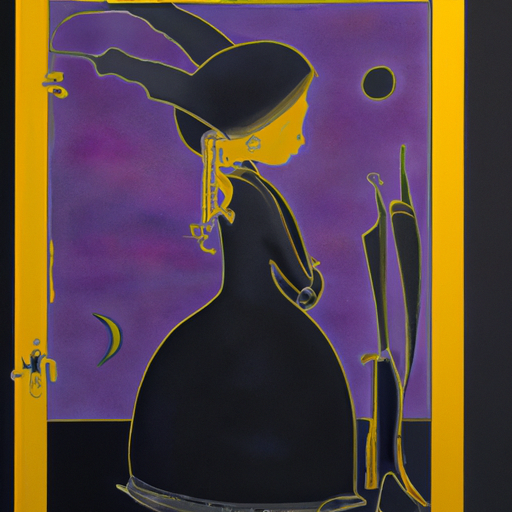
Example of visual style of Naoto Hattori

Naoto Hattori

Naoto Hattori is a Japanese contemporary artist known for his surreal and fantastical artwork. He emerged in the late 1990s and has since gained recognition for his unique style, which blends elements of surrealism, science fiction, and fantasy. Hattori's work often combines intricate details with vibrant colors, creating dreamlike and otherworldly compositions. His pieces feature strange and imaginative creatures, often with multiple eyes and distorted features. Hattori's art has gained international acclaim and has been exhibited worldwide, solidifying his reputation as a prominent figure in contemporary surrealism.

View StyleExplore Style
Example of visual style of Phantasmal Iridescent

Phantasmal Iridescent

Phantasmal Iridescent is a mesmerizing visual style that emerged in the late 2010s and gained popularity in the early 2020s. It is characterized by its vibrant and shifting color palette, creating an illusion of constantly changing and shimmering hues. This style became famous for its dreamlike and ethereal quality, evoking a sense of otherworldliness. It often incorporates iridescent, holographic, and opalescent effects, using light and reflections to create a sense of depth and dimension. Phantasmal Iridescent pushes the boundaries of reality, transporting viewers into a fantastical realm of enchantment and enchantment.

View StyleExplore Style
Example of visual style of Shaun Tan

Shaun Tan

Shaun Tan is an Australian artist and author known for his unique and imaginative visual style. His work is characterized by intricate and detailed illustrations that blend elements of realism and fantasy. Tan often depicts surreal and otherworldly landscapes, creatures, and objects, creating a sense of wonder and mystery. His works evoke a range of emotions, from melancholy and loneliness to hope and resilience. Shaun Tan rose to fame in the early 2000s with the publication of his book 'The Arrival', which became a critically acclaimed and award-winning international bestseller.

View StyleExplore Style
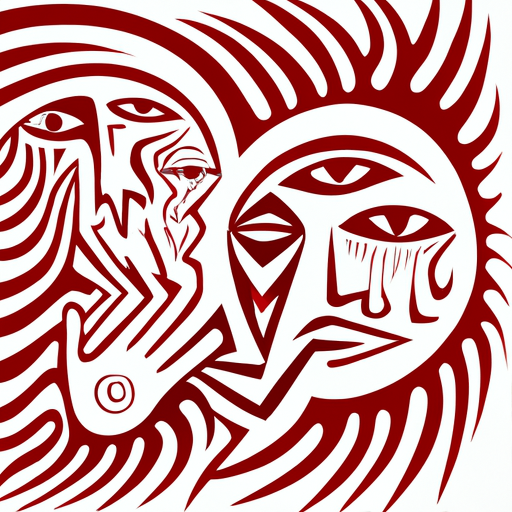
Example of visual style of Storm Thorgerson

Storm Thorgerson

The visual style of Storm Thorgerson emerged in the 1960s and became famous for its imaginative and surreal album cover designs. Thorgerson was a prominent British graphic designer known for his work with iconic rock bands, including Pink Floyd, Led Zeppelin, and The Mars Volta. His visual style featured vibrant and symbolic imagery, often incorporating elements of fantasy and otherworldly landscapes. Thorgerson's designs were characterized by meticulous attention to detail and a distinctive blend of photography and graphic art. His work became synonymous with the visual representation of music and left a lasting impact on album cover design.

View StyleExplore Style
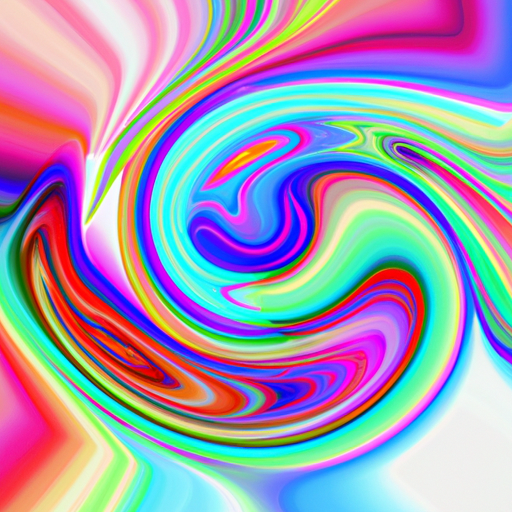
Example of visual style of The Mars Volta

The Mars Volta

The visual style of The Mars Volta is characterized by psychedelic and surrealist imagery combined with bold and vibrant colors. Emerging in the early 2000s, this style became famous for its complex and intricately detailed illustrations that often depicted otherworldly landscapes and bizarre creatures. It gained popularity through the album artwork and poster designs created by artist Storm Thorgerson, known for his collaborations with progressive rock bands. The style evolved alongside the band's music, creating a visually immersive experience.

View StyleExplore Style
Home