StylopediaStylopedia

Ornate styles on Stylopedia

A visual encyclopedia of ornate styles – use as prompt inspiration for Midjourney, Gemini, or ChatGPT AI when making ornate images

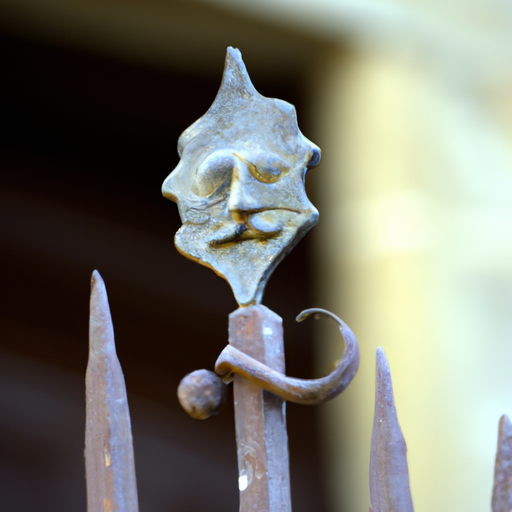
Example of visual style of Antoine Le Pautre

Antoine Le Pautre

Antoine Le Pautre was a French draughtsman and architect known for his intricate and ornate Baroque designs. Active during the late 17th century in France, his style was characterized by lavish decoration, grandeur, and symmetry. Le Pautre's work became famous for its opulence and his ability to create intricate and detailed designs for palaces, mansions, and churches, often incorporating elements such as intricate carvings, elaborate moldings, and extravagant embellishments.

View StyleExplore Style
Example of visual style of Arabesque Design

Arabesque Design

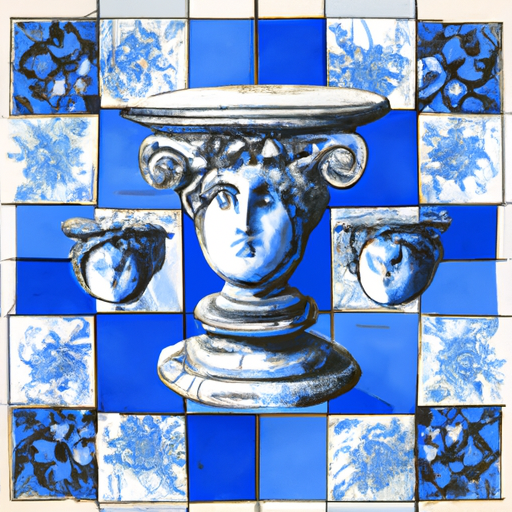
Arabesque Design is a style characterized by intricate and ornate patterns influenced by Islamic art. It emerged during the Islamic Golden Age from the 8th to the 15th centuries. Arabesque patterns are famous for their elaborate intertwining vines, leaves, and floral motifs, often combined with geometric shapes. These designs became increasingly popular in architecture, textiles, pottery, and book illumination. Arabesque Design is known for its symmetrical and repetitive patterns, emphasizing the interplay of light and shadow on surfaces. It is considered one of the most important and enduring visual styles of Islamic art and has influenced numerous other artistic movements throughout history.

View StyleExplore Style
Example of visual style of Art Nouveau

Art Nouveau

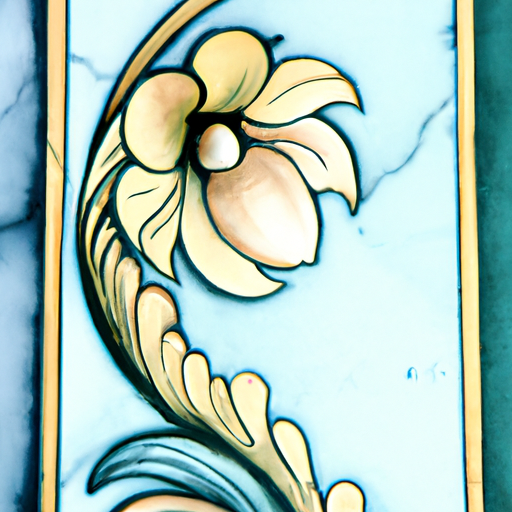
Art Nouveau, which emerged in the late 19th century and lasted until around 1910, is an artistic style characterized by its curvilinear forms and organic motifs inspired by nature. It is known for its ornate and highly decorative designs, embracing flowing lines, floral patterns, and intricate details. Art Nouveau gained popularity as a reaction against the academic art of the time and became famous for its innovative use of materials and techniques, including stained glass, ironwork, and decorative arts. This style reached its height of influence during the Belle Époque, particularly in Europe and the United States.

View StyleExplore Style
Example of visual style of Baroque Sculpture

Baroque Sculpture

Baroque Sculpture is a highly dramatic and theatrical style that emerged in Europe during the 17th century. It reached its peak between the late 16th and early 18th centuries. This style is known for its ornate and extravagant aesthetic, characterized by exaggerated gestures, dynamic compositions, and intricate details. Baroque sculptures often portray intense emotions, religious subjects, and a sense of movement. The use of light and shadow, known as chiaroscuro, adds depth and drama to the sculptures. Baroque Sculpture became famous for its grandeur and opulence, as well as its ability to evoke strong emotional responses from viewers.

View StyleExplore Style
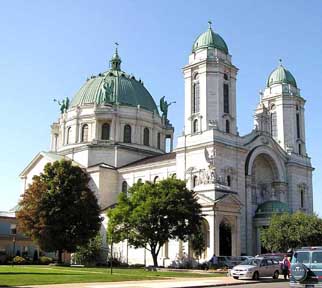
Example of visual style of Baroque Style

Baroque Style

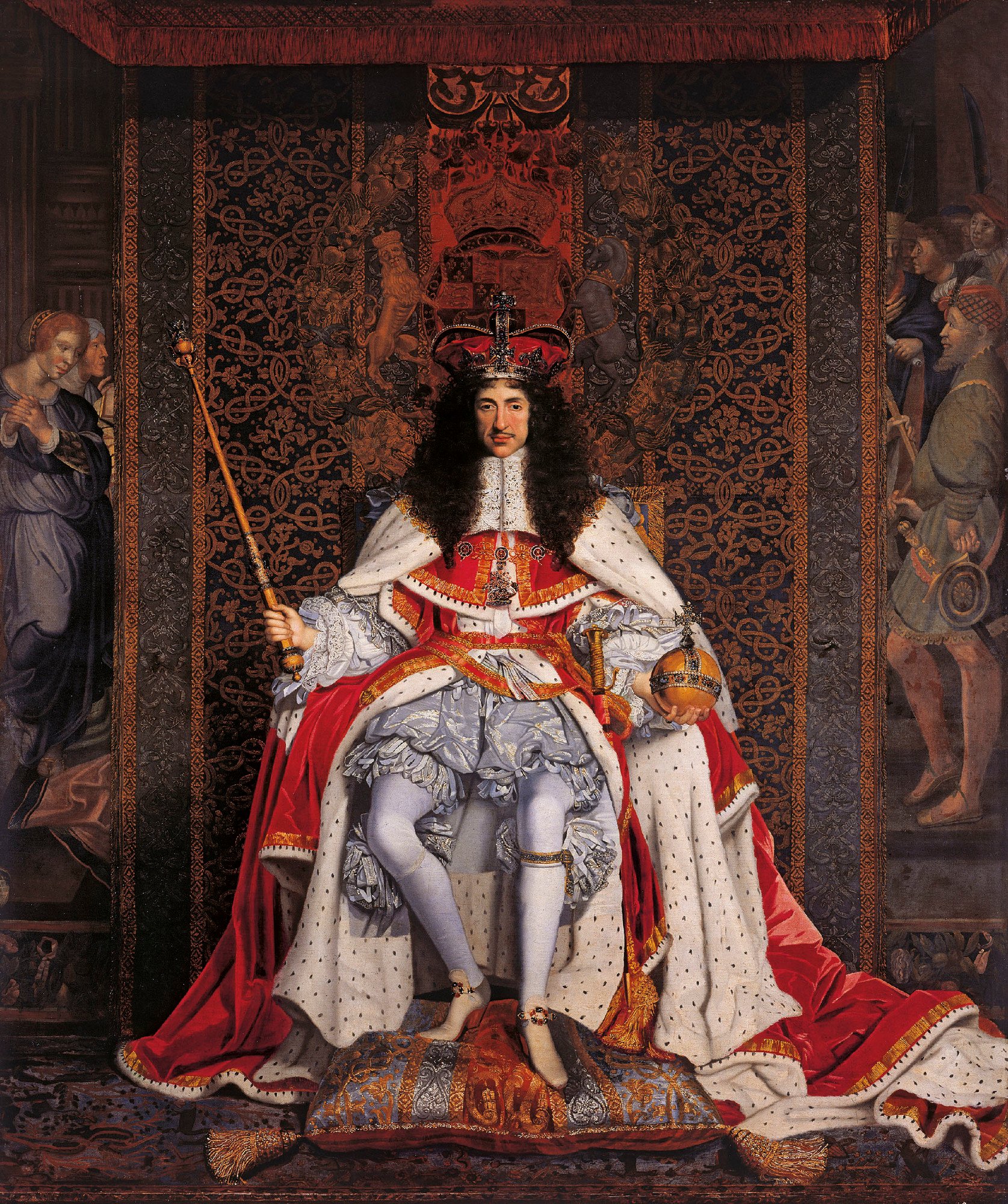
Baroque style was a highly ornate and extravagant artistic style that emerged in Europe around the late 16th century and lasted until the mid-18th century. It is characterized by dramatic and grandiose forms, rich ornamentation, curved lines, and a sense of motion. Baroque architecture and art were known for their emotional intensity and theatricality. This style became famous for its opulence and splendor, as well as its ability to evoke strong emotions in viewers.

View StyleExplore Style
Example of visual style of Beaux Arts Architecture

Beaux Arts Architecture

Beaux Arts Architecture, also known as Ecole des Beaux-Arts style, was prevalent in the late 19th and early 20th centuries. It originated in France and became famous for its grandiose and ornate designs. This style emphasized classical forms, symmetry, and the use of lavish decorations. Beaux Arts architecture is characterized by its monumental facades, elaborate detailing, and grand public buildings such as museums, train stations, and government institutions.

View StyleExplore Style
Example of visual style of Belle Epoque

Belle Epoque

Belle Epoque, or 'Beautiful Era', refers to the period from the late 19th century to the outbreak of World War I in 1914. It was a time of opulence, glamour, and innovation in Europe and the United States. This era saw the rise of modern industrialization, technological advancements, and a flourishing of arts and culture. The Belle Epoque was marked by a commitment to beauty and optimism, with an emphasis on luxurious and ornate designs. The famous landmarks of this period include the Eiffel Tower, the Paris Metro, and the Exposition Universelle. This era is characterized by its grandeur, intricate detailing, and the fusion of different artistic influences.

View StyleExplore Style
Example of visual style of Carrere And Hastings

Carrere And Hastings

Carrere And Hastings was a Beaux-Arts architectural firm founded in 1885 by John Merven Carrere and Thomas Hastings. They gained fame for their opulent and grandiose designs during the late 19th and early 20th centuries. Their architectural style embodied the Beaux-Arts movement, characterized by classical influences, symmetry, ornate detailing, and a sense of grandeur. Carrere And Hastings' designs were particularly prominent during the Gilded Age, with notable projects including the New York Public Library and the Standard Oil Building in New York City.

View StyleExplore Style
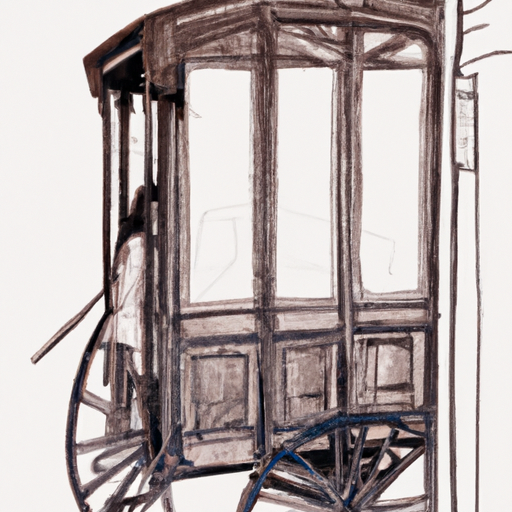
Example of visual style of Cellini

Cellini

Cellini is a visual style that emerged in the Renaissance period, particularly during the 16th century. It is named after the renowned Italian artist and goldsmith, Benvenuto Cellini. This style is characterized by its intricate and ornate designs, often featuring delicate details and rich embellishments. Cellini became famous for his exquisite metalwork, sculptures, and jewelry, which exemplified the elegance and skill of this style. The Cellini visual style gained popularity for its opulence and craftsmanship, attracting wealthy patrons and establishing a new standard of luxury and beauty in art and design.

View StyleExplore Style
Example of visual style of Charles Eisen

Charles Eisen

Charles Eisen was a French painter and engraver, known for his delicate and graceful Rococo style. Born in 1720, Eisen became famous during the mid-18th century. His intricate details, elegant compositions, and use of soft colors made him a prominent figure in the Rococo movement. Eisen was particularly known for his illustrations of literature, including the famous works of Voltaire. His style captured the spirit of the Rococo era, characterized by ornate and whimsical designs, and became highly influential during this time.

View StyleExplore Style
Example of visual style of Charles Ricketts

Charles Ricketts

Charles Ricketts was a British artist, designer, and writer known for his distinctive visual style during the late 19th and early 20th centuries. His style can be described as intricate, ornate, and highly detailed. Ricketts was particularly renowned for his skills in book design, typography, and woodcuts. He gained prominence in the late 1890s as a member of the Birmingham Group, a collective of artists who championed the Arts and Crafts movement. Ricketts' visual style became famous for its meticulous attention to detail, rich symbolism, and a fusion of classical and modern influences.

View StyleExplore Style
Example of visual style of Chippendale

Chippendale

Chippendale is a style of furniture design that emerged in the mid-18th century, named after the British cabinet-maker Thomas Chippendale. It gained popularity during the years of 1750 to 1780. This visual style is famous for its ornate and intricately carved woodwork, especially in dining chairs and cabinets. The Chippendale style is characterized by the use of rococo motifs, such as scrolls, shells, and acanthus leaves, as well as Chinese-inspired elements like pagoda-shaped tops and fretwork. The craftsmanship and attention to detail made Chippendale furniture highly sought after, marking a shift towards more refined and elegant designs.

View StyleExplore Style
Example of visual style of Cinderella

Cinderella

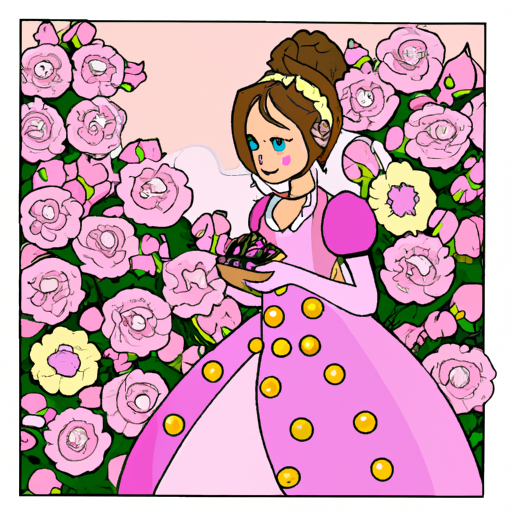
Cinderella is a visual style inspired by the fairytale of Cinderella. It became famous in the mid-20th century, particularly with the release of the Disney animated film in 1950. This style is characterized by its romantic and dreamy aesthetic, featuring elaborate ballgowns, ornate castles, and whimsical elements. The story of Cinderella and its visual style have influenced numerous designers and artists, making it a timeless and beloved theme in the world of fashion and art.

View StyleExplore Style
Example of visual style of Cinna

Cinna

Cinna is a visual style that emerged during the 18th century and became famous for its opulence and intricacy. It was popularized by the French designer Pierre-Adrien Pâris, also known as Jean-Baptiste-Pierre Le Brun. Cinna's visual style is characterized by symmetrical and ornate designs, with a focus on decorative elements such as gilded accents, floral motifs, and grandiose proportions. This style reached its peak during the reign of Louis XVI and became synonymous with the grandeur of the Palace of Versailles and the French Rococo period.

View StyleExplore Style
Example of visual style of Edwardian Era

Edwardian Era

The Edwardian Era visual style refers to the period between 1901 and 1910, during the reign of King Edward VII in the United Kingdom. It is characterized by a blend of different design influences, including Art Nouveau, Arts and Crafts, and elements from the previous Victorian era. This style is known for its elegance, sophistication, and grandeur, epitomizing the opulent lifestyle of the upper class during this time. It is often associated with ornate and intricate details, luxurious fabrics, pastel color palettes, and a sense of romanticism. The Edwardian Era became famous for its fashionable clothing, extravagant interiors, and the emergence of notable designers such as Charles Rennie Mackintosh and Louis Comfort Tiffany.

View StyleExplore Style
Example of visual style of Eisen

Eisen

Eisen is a visual style that emerged during the 18th century in France. It is named after the French painter and engraver Charles Eisen. The style became famous for its delicate and ornate illustrations and engravings. Eisen's works often depicted scenes from literature, fashion, and everyday life. The style reached its peak popularity during the Rococo period, around the years 1730 to 1760. Eisen's intricate designs and attention to detail made him a prominent figure in the art world of that time.

View StyleExplore Style
Home