
StylopediaStylopedia

Ornamentation styles on Stylopedia

A visual encyclopedia of ornamentation styles – use as prompt inspiration for Midjourney, Gemini, or ChatGPT AI when making ornamentation images

Example of visual style of American Gilded Age

American Gilded Age

The American Gilded Age was a visual style prevalent during the late 19th to early 20th century in America. This era, from the 1870s to the early 1900s, was characterized by extravagant wealth, opulence, and a desire for material display. The style emerged as a result of industrialization, economic prosperity, and the rise of the upper class. Notable features include ostentatious architecture, elaborate ornamentation, and ostensible luxury. The American Gilded Age is famous for its grand mansions, luxurious interiors, and excessive indulgence in an era of stark social inequality.

View StyleExplore Style
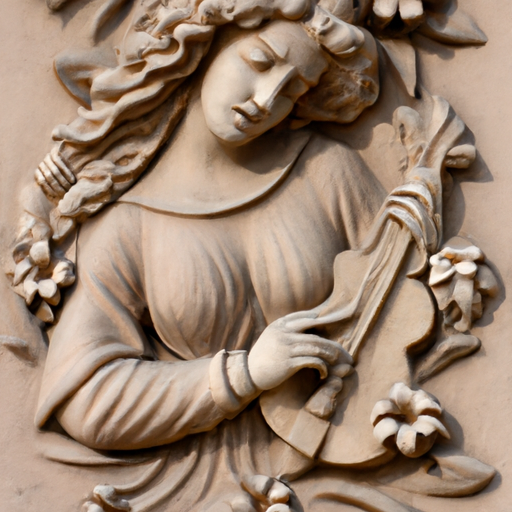
Example of visual style of Antebellum Architecture

Antebellum Architecture

Antebellum Architecture refers to the architectural style that was prominent in the Southern United States during the pre-Civil War period, specifically from the late 18th century to the mid-19th century. This style is famous for its grandeur, elegance, and adherence to classical design principles. Inspired by Greek and Roman architecture, it featured symmetrical facades, tall columns, expansive porticoes, and elaborate ornamentation. The antebellum period and its architecture became famous for its association with the plantation economy and the romanticized image of the Old South.

View StyleExplore Style
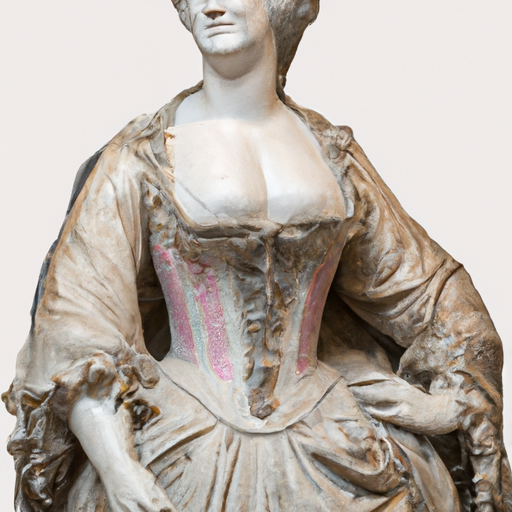
Example of visual style of Beaux Arts Movement

Beaux Arts Movement

Beaux Arts Movement was a late 19th and early 20th-century architectural and artistic style that was famous for its grandiose and elaborate designs. It originated in France in the 19th century and spread to other parts of Europe and North America. This style was influential in the design of public buildings, particularly in the United States, and was characterized by a classical aesthetic, intricate ornamentation, and a sense of grandeur. It emphasized symmetry, proportion, and the use of classical architectural elements such as columns, domes, and arches.

View StyleExplore Style
Example of visual style of Beaux Arts Style

Beaux Arts Style

Beaux Arts Style, also known as Academic Art or French Renaissance Revival, was a prominent architectural and decorative arts style from the late 19th century to the early 20th century. It flourished between the years 1885 to 1920 and gained popularity in France and the United States. This style is characterized by its grandeur, classical references, and ornate detailing. Beaux Arts buildings often featured symmetrical facades, elaborate ornamentation, and a combination of different architectural elements like columns, pediments, and domes. The use of noble materials, such as marble, stone, and bronze, added to the luxurious appeal of this style. The Beaux Arts Style became famous through prominent architectural landmarks such as the Paris Opéra, Grand Central Terminal in New York City, and the Fine Arts Palace in San Francisco.

View StyleExplore Style

Example of visual style of Celtic Revival

Celtic Revival

Celtic Revival is an artistic movement that emerged in the 19th century and reached its peak in the late 19th and early 20th centuries. It was a celebration and reawakening of Celtic culture, particularly in Ireland and Scotland. This style gained fame through its incorporation of Celtic motifs, symbolism, and mythology into various art forms such as architecture, painting, jewelry, and decorative arts. The widespread interest in Celtic heritage, fueled by archaeological discoveries and cultural movements, revived the appreciation for rich Gaelic traditions and influenced the visual arts of the time.

View StyleExplore Style
Example of visual style of Daniel Burnham

Daniel Burnham

The Daniel Burnham style is characterized by its grandeur and classical architectural elements. It emerged during the late 19th century and early 20th century in the United States. Daniel Burnham was a prominent architect and urban planner known for his neoclassical designs and monumental buildings. His works, such as the Flatiron Building in New York City and the Union Station in Washington D.C., became iconic symbols of the era. The style is characterized by its Beaux-Arts influence, incorporating symmetrical facades, elaborate ornamentation, and monumental scale. It represents the grand ambitions and progressiveness of the Gilded Age and its architectural feats have left a lasting impact on the American urban landscape.

View StyleExplore Style
Example of visual style of Gothic Revival

Gothic Revival

Gothic Revival is an architectural and design style that emerged in the late 18th century, reaching its peak popularity during the 19th century. It draws inspiration from the medieval Gothic style, particularly the pointed arches, ribbed vaults, and intricate ornamentation of Gothic cathedrals and castles. Gothic Revival became famous as it embodied a romanticized perception of the Middle Ages and represented a reaction against the prevailing neoclassical styles of the time.

View StyleExplore Style
Example of visual style of Islamic Art

Islamic Art

Islamic Art refers to the artistic traditions and designs that emerged in the Islamic world from the 7th century onwards and continue to be created today. This diverse style encompasses a wide range of mediums, including calligraphy, geometric patterns, arabesques, and intricate floral motifs. Islamic Art is characterized by its emphasis on intricate ornamentation, exquisite craftsmanship, and the prohibition of depicting human figures. Significant periods in Islamic Art include the Umayyad, Abbasid, Mughal, and Safavid eras. The art form gained worldwide recognition through its use in architectural wonders such as the Alhambra in Spain and the Taj Mahal in India.

View StyleExplore Style
Example of visual style of Louis Sullivan

Louis Sullivan

Louis Sullivan was an American architect known as the father of skyscrapers. His visual style, popular in the late 19th and early 20th centuries, is characterized by intricate ornamentation and the use of organic forms. Sullivan's style became famous for its integration of art and architecture, emphasizing the functional and aesthetic aspects of buildings. His designs epitomized the Chicago School of Architecture and laid the foundation for modern American architecture.

View StyleExplore Style
Example of visual style of Louis XV Style

Louis XV Style

The Louis XV Style, also known as the Rococo style, flourished in France from 1730 to 1760 during the reign of King Louis XV. This style marked a departure from the formal and symmetrical designs of the preceding Baroque era. Known for its opulence and delicate ornamentation, the Louis XV Style embraced asymmetry, lightness, and frivolity. It was characterized by sinuous and curvaceous forms, intricate detailing, and a profusion of decorative elements such as shell motifs, scrolls, and intricate foliage. The Louis XV Style became famous for its emphasis on luxury, comfort, and elegance, which catered to the tastes of the French aristocracy of the time.

View StyleExplore Style
Example of visual style of Louis XVI

Louis XVI

Louis XVI style, also known as Late Neoclassical or French Neoclassical, emerged in the late 18th century during the reign of King Louis XVI of France. It was prominent between 1780 and 1795. This style was popularized by the French monarch who sought to revive and refine the artistic elements of the Neoclassical movement. Louis XVI furniture is characterized by its elegance, sophistication, and delicate ornamentation, with intricate carvings, gilded accents, and fine upholstery. This style was famous for its symmetrical compositions, straight lines, and geometric shapes, drawing inspiration from ancient Greek and Roman architecture.

View StyleExplore Style
Example of visual style of Mughal Empire

Mughal Empire

The Mughal Empire visual style encompasses the art and architecture of the Mughal dynasty in South Asia during the 16th to 19th centuries. This style reached its peak during the reign of Emperor Akbar (1556-1605) and Emperor Shah Jahan (1628-1658). The Mughal Empire is famous for its intricate ornamentation, refined craftsmanship, and fusion of Persian, Islamic, and indigenous Indian styles. Notable features include symmetrical layouts, exquisite calligraphy, detailed miniature paintings, monumental architecture such as the Taj Mahal, and the use of precious materials like marble and semi-precious stones.

View StyleExplore Style
Example of visual style of Standard Oil Building

Standard Oil Building

The Standard Oil Building style emerged in the late 19th and early 20th century, particularly between 1900 and 1930. It became famous for its architectural grandeur and robustness. The style was characterized by the use of steel structures and Beaux-Arts design principles. The Standard Oil Building in particular, built in 1885, showcased remarkable ornamentation and impressive height for its time. Its fame stemmed from being one of the first skyscrapers in the United States and a symbol of industrial prowess.

View StyleExplore Style
Example of visual style of Stanford White

Stanford White

Stanford White was an American architect known for his Beaux-Arts style, which flourished during the late 19th and early 20th centuries. This style epitomized the opulence and grandeur of the Gilded Age. White's designs featured classical elements such as columns, arches, and decorative motifs, combined with modern innovations in structural engineering. His work became famous for its elaborate ornamentation, intricate detailing, and the use of high-quality materials. Stanford White's visual style rose to prominence between the 1870s and 1900s and left a lasting impact on American architecture and design.

View StyleExplore Style
Example of visual style of William Rutherford Mead

William Rutherford Mead

William Rutherford Mead was a prominent American architect in the late 19th and early 20th centuries. He is best known as one of the founding partners of McKim, Mead & White, a renowned architectural firm that shaped the Beaux-Arts and Colonial Revival styles. Mead's work became famous during the years 1879-1915. He contributed to the popularization of the Beaux-Arts style in the United States, characterized by grandeur, ornamentation, and classical influences. Mead's designs often featured elaborate detailing, symmetrical facades, and a sense of grace and elegance.

View StyleExplore Style
Home