StylopediaStylopedia

Ornamental styles on Stylopedia

A visual encyclopedia of ornamental styles – use as prompt inspiration for Midjourney, Gemini, or ChatGPT AI when making ornamental images

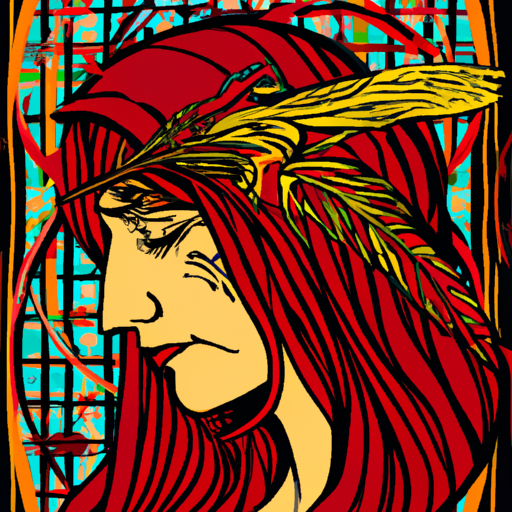
Example of visual style of Alphonse Mucha

Alphonse Mucha

Alphonse Mucha was an influential Art Nouveau artist in the late 19th and early 20th centuries. His distinctive style, characterized by intricate and ornamental designs, gained popularity through his iconic poster art. Mucha's work is known for its vibrant colors, elaborate floral motifs, and elegant female figures. This style became famous for capturing the essence of the Art Nouveau movement, which emphasized organic forms and decorative elements. Mucha's artistic contributions between 1890 and 1910 helped shape the visual landscape of the era.

View StyleExplore Style
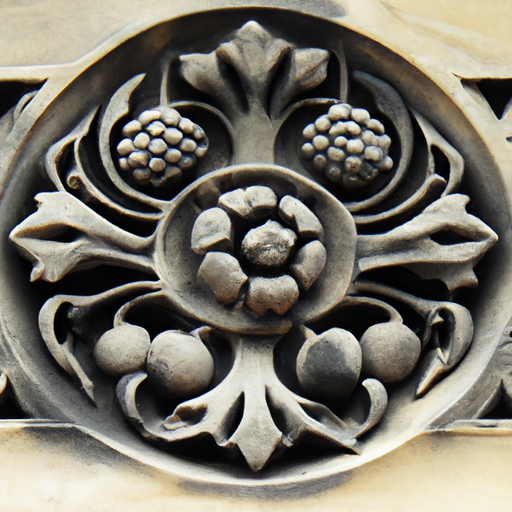
Example of visual style of Baroque

Baroque

Baroque is a highly ornamental and dramatic style that emerged in Europe around the late 16th century and remained prominent until the early 18th century. It is known for its grandeur, opulence, and theatricality. Baroque style captivated audiences with its elaborate details, exaggerated gestures, and vibrant colors. It was characterized by the use of dynamic and sweeping curves, intricate ornamentation, and abundant decorative elements. This style became famous for its luxuriousness and the way it evoked strong emotions through its ornate compositions and intense lighting effects.

View StyleExplore Style
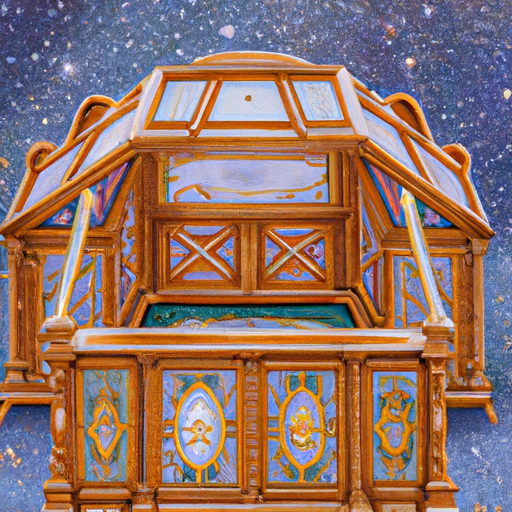
Example of visual style of Neo Gothic

Neo Gothic

Neo Gothic is a visual style that emerged in the late 19th century and reached its peak in popularity during the late Victorian and Edwardian eras (1880-1910). It is a revival and reinterpretation of the original Gothic style that was prominent in the medieval period. Neo Gothic became famous for its use of intricate ornamental details, pointed arches, steep gables, and grandiose proportions. The architectural movement of Gothic Revival in the mid-18th century laid the foundation for the Neo Gothic style, but it was further popularized through the works of influential architects, such as Augustus Pugin and Charles Barry, who designed iconic structures like the British Houses of Parliament, commonly known as the 'Big Ben' clock tower. The Neo Gothic style represents a nostalgic fascination with the medieval past and continues to remain influential in designing churches, cathedrals, and other significant structures.

View StyleExplore Style
Example of visual style of Quilling

Quilling

Quilling is a paper art technique that involves rolling, shaping, and gluing strips of paper together to create intricate designs. It became popular in the 18th century and gained recognition in the Victorian era for its delicate and ornamental nature. The technique involves using quilling tools to shape the paper strips into various forms such as coils, scrolls, and teardrops, which are then arranged to make intricate patterns and designs. Quilling is known for its use in decorative objects, greeting cards, and framed artwork.

View StyleExplore Style
Home