StylopediaStylopedia

Organic shapes styles on Stylopedia

A visual encyclopedia of organic shapes styles – use as prompt inspiration for Midjourney, Gemini, or ChatGPT AI when making organic shapes images

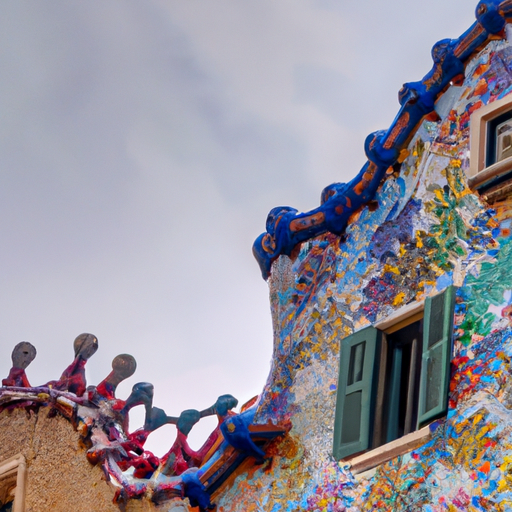
Example of visual style of Antonio Gaudi

Antonio Gaudi

Antonio Gaudi is known for his unique and innovative architectural style that emerged in the late 19th and early 20th centuries. His most famous works, such as the Sagrada Familia and Park Güell in Barcelona, showcase his distinctive use of organic shapes, intricate detailing, and incorporation of natural elements. Gaudi's style is characterized by its fluidity, mosaic-like ornamentation, and incorporation of religious symbolism. His work remains famous for its visionary approach to architecture, which challenged traditional concepts and pushed the boundaries of design.

View StyleExplore Style
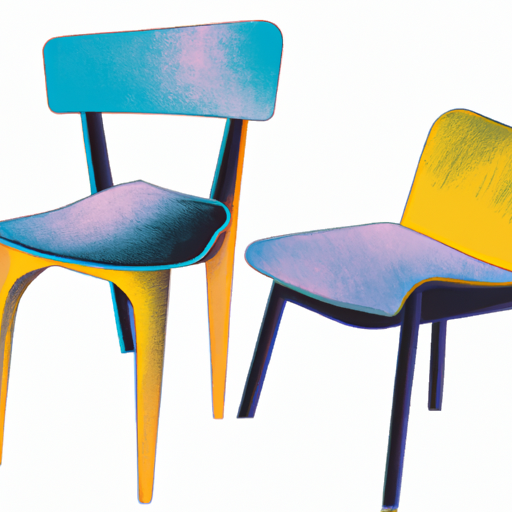
Example of visual style of Charles Eames

Charles Eames

The Charles Eames visual style emerged during the mid-20th century, from the 1940s to the 1970s. It is known for its innovative and iconic designs in furniture, architecture, and industrial design. Charles Eames, along with his wife Ray Eames, pioneered the use of new materials, especially molded plywood, in their creations. Their furniture pieces, such as the Eames Lounge Chair and Ottoman, became famous for their combination of comfort, functionality, and elegance. The Eameses' designs were characterized by clean lines, organic shapes, and a balance between form and function.

View StyleExplore Style
Example of visual style of Emile Galle

Emile Galle

Emile Galle is a visual style that emerged in the late 19th century and lasted until the early 20th century. It is best known for its intricate glasswork and its emphasis on natural forms and motifs. Emile Galle, a French artist and designer, played a significant role in popularizing this style. He is famous for his use of vibrant colors, organic shapes inspired by plants and flowers, and the incorporation of innovative techniques like marquetry and cameo carving in glass objects. Emile Galle's works became highly sought after due to his attention to detail and the exquisite craftsmanship displayed in each piece.

View StyleExplore Style
Example of visual style of Futuristic Design

Futuristic Design

Futuristic Design is a visual style that emerged in the mid-20th century and continues to influence contemporary aesthetics. It combines sleek, minimalist elements with advanced technology and forward-thinking concepts. This style became famous in the 1950s and 1960s when space exploration and the promise of a futuristic utopia captured people's imaginations. It gained popularity through the use of organic shapes, bold colors, and innovative materials. Futuristic Design is characterized by its emphasis on progress, innovation, and a sense of boundless possibilities.

View StyleExplore Style
Example of visual style of George Nelson

George Nelson

George Nelson was an American industrial designer and architect who made a significant impact on American modernism during the mid-20th century. His work gained fame primarily during the 1940s to 1960s. Nelson's style is characterized by clean lines, organic shapes, and a playful yet functional approach to design. He is best known for his innovative furniture designs, including the iconic Marshmallow Sofa and the Nelson Platform Bench, which became symbols of the mid-century modern aesthetic.

View StyleExplore Style
Example of visual style of Josep Maria Jujol

Josep Maria Jujol

Josep Maria Jujol was a Catalan architect and designer known for his unique and unconventional architectural style. He was active during the late 19th and early 20th centuries, particularly between 1906 and 1930. Jujol's distinctive style was characterized by the use of organic shapes, vibrant colors, intricate ornamentation, and the incorporation of natural elements. His works often featured curved lines, asymmetrical compositions, and a playfulness that defied the traditional norms of architecture. Jujol's close collaboration with Antoni Gaudí, another famous Catalan architect, brought him recognition and made his style influential in the modernist movement.

View StyleExplore Style
Example of visual style of Loish

Loish

Loish is a digital art style characterized by its vibrant colors, whimsical characters, and captivating storytelling. Developed by Lois van Baarle, a Dutch digital artist, the style gained popularity in the early 2000s through her prolific online presence and unique artistic approach. Loish's work often features imaginative female characters with flowing hair, expressive eyes, and intricate details. The style is known for its seamless blending of organic shapes and elements with digital art techniques, resulting in visually stunning and emotionally evocative illustrations.

View StyleExplore Style
Example of visual style of Mid Century Modern

Mid Century Modern

Mid Century Modern, also known as 'MCM', was a design style popular from the mid-1940s to the late 1960s. Renowned for its simplicity and functionality, this style is characterized by clean lines, organic shapes, and a focus on bringing the outdoors in. Influenced by the Bauhaus and Scandinavian design, Mid Century Modern became famous for its sleek furniture, innovative use of materials like plywood and fiberglass, and its emphasis on creating harmony between form and function.

View StyleExplore Style
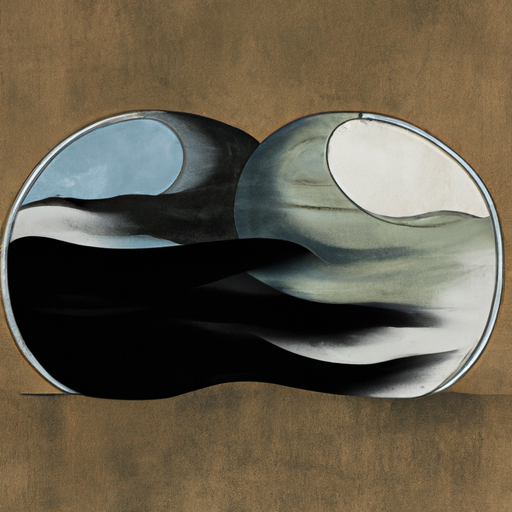
Example of visual style of Mid Century Modern Design

Mid Century Modern Design

Mid Century Modern Design is a style that emerged in the mid-20th century (approximately 1930s to 1960s) and became famous for its functional and minimalist approach to design. It is characterized by clean lines, organic shapes, and a focus on functionality and simplicity. This style gained popularity after World War II as a response to the ornate and decorative design styles of the past. Mid Century Modern Design is known for its use of materials such as plastic, plywood, and metal, as well as its integration of indoor and outdoor spaces.

View StyleExplore Style
Home