StylopediaStylopedia

Organic forms styles on Stylopedia

A visual encyclopedia of organic forms styles – use as prompt inspiration for Midjourney, Gemini, or ChatGPT AI when making organic forms images

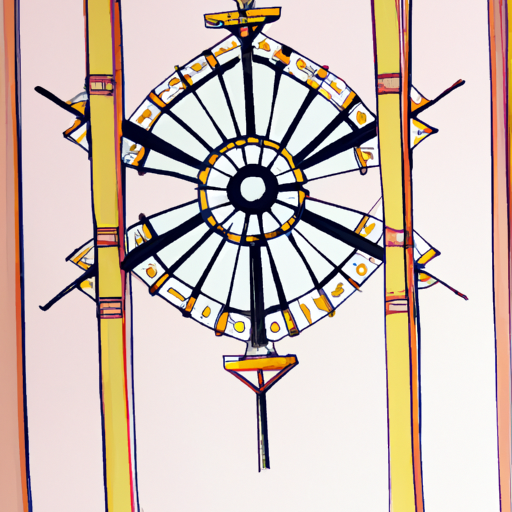
Example of visual style of Danish Design

Danish Design

Danish Design refers to the design aesthetic that emerged in Denmark in the early 20th century and gained international recognition in the mid-20th century. Characterized by simplicity, functionality, and elegance, Danish Design beautifully combines form and function. It became famous in the 1950s and 1960s through the works of renowned Danish designers such as Arne Jacobsen and Hans Wegner, who introduced modernist principles and organic forms into furniture and product design.

View StyleExplore Style
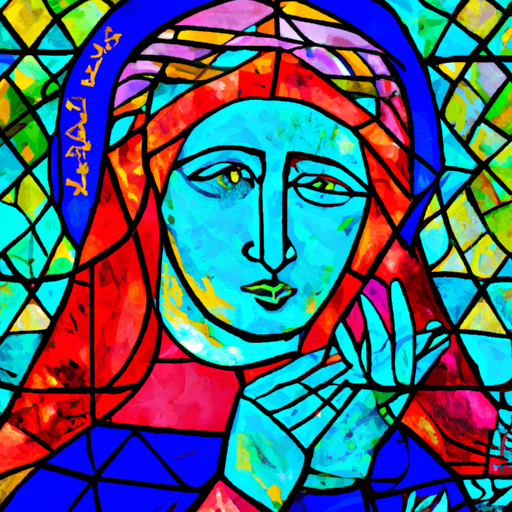
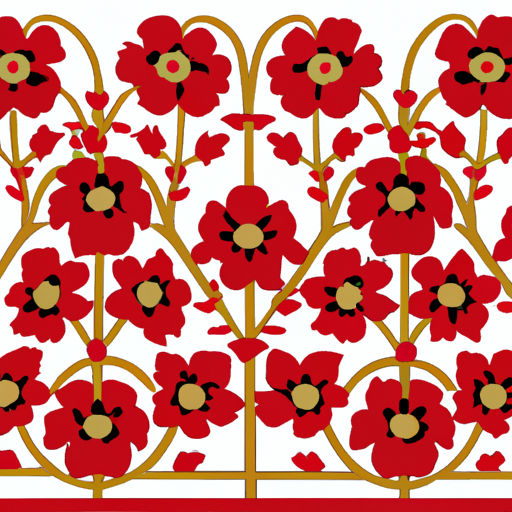
Example of visual style of Hildegard Of Bingen

Hildegard Of Bingen

Hildegard of Bingen was a 12th-century German mystic, composer, and writer who is renowned for her illuminated manuscripts. Her visual style was characterized by intricate and detailed illustrations, vibrant colors, and a harmonious blend of organic and geometric forms. Hildegard's famous works include 'Scivias' and 'Liber Divinorum Operum', which showcased her visionary experiences and theological teachings through stunning artwork. Her use of gold leaf, natural motifs, and ethereal figures became iconic in the medieval period and continue to influence artists today.

View StyleExplore Style
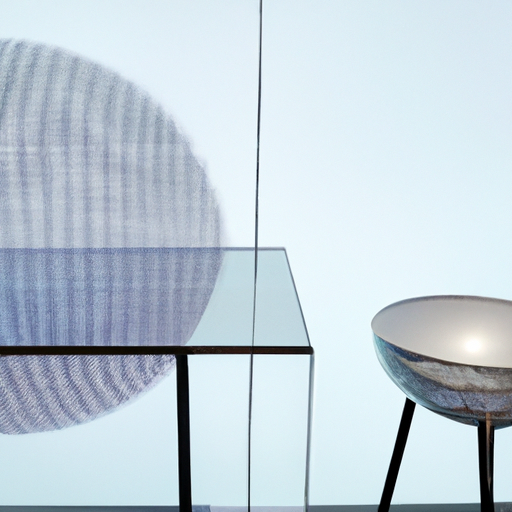
Example of visual style of Isamu Noguchi

Isamu Noguchi

Isamu Noguchi was a Japanese-American artist and landscape architect known for his distinctive sculptural style. His work spanned several decades, from the 1920s to the 1980s, and he gained fame for his ability to blend Eastern and Western artistic influences. Noguchi's sculptures were characterized by clean lines and organic forms, often featuring bold geometric shapes and smooth polished surfaces. His use of materials, such as stone, metal, wood, and paper, added depth and texture to his creations. Noguchi's integration of sculpture into the landscape became his trademark, as he believed that art should be accessible and interact with its surroundings. His famous works include the Akari Light Sculptures, the Noguchi Table, and the Playscapes. Noguchi's unique style and ability to seamlessly merge different cultural aesthetics have made him one of the most renowned artists of the 20th century.

View StyleExplore Style
Example of visual style of Louis Sullivan

Louis Sullivan

Louis Sullivan was an American architect known as the father of skyscrapers. His visual style, popular in the late 19th and early 20th centuries, is characterized by intricate ornamentation and the use of organic forms. Sullivan's style became famous for its integration of art and architecture, emphasizing the functional and aesthetic aspects of buildings. His designs epitomized the Chicago School of Architecture and laid the foundation for modern American architecture.

View StyleExplore Style
Example of visual style of Mid Century Design

Mid Century Design

Mid Century Design refers to the aesthetic style of the mid-20th century, specifically the period between the 1930s to the 1960s. It is known for its clean lines, organic forms, and innovative use of materials. Famous for its simplicity and functionality, Mid Century Design became popular through its emphasis on minimalism and the integration of nature with modern living. It was influenced by the Bauhaus movement and the works of renowned designers such as Charles and Ray Eames, Eero Saarinen, and Arne Jacobsen.

View StyleExplore Style
Example of visual style of Modernisme

Modernisme

Modernisme is an artistic and architectural style that emerged in the late 19th and early 20th centuries. It reached its peak of popularity between 1888 and 1911 in Catalonia, Spain. Modernisme is famous for its use of organic and sinuous forms, intricate ornamentation, and incorporation of natural motifs, such as flowers and vines. It was inspired by the unique combination of Catalan nationalism, an interest in medieval art and architecture, and the influence of European Art Nouveau. Modernisme is characterized by its emphasis on craftsmanship and the integration of various artistic disciplines, including architecture, sculpture, painting, and decorative arts.

View StyleExplore Style
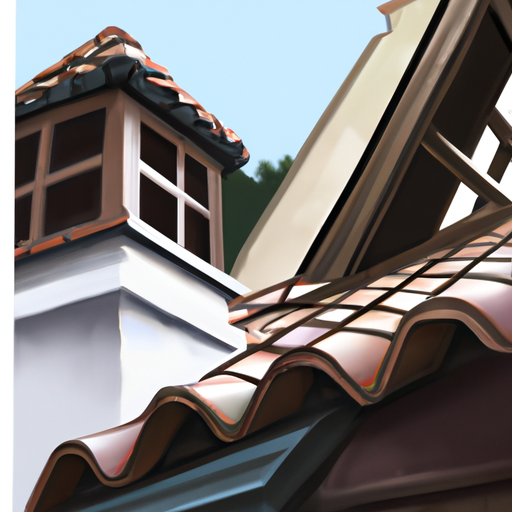
Example of visual style of Victor Horta

Victor Horta

Victor Horta was an influential Belgian architect and designer known for his Art Nouveau style, particularly in the late 19th and early 20th centuries. Horta's style was characterized by organic forms, intricate detailing, and the integration of decorative elements into the structure itself. He is famous for his innovative use of iron and glass in architectural designs, as well as his creation of open, light-filled spaces. Horta's work marked a new era in architecture, combining functionality and aesthetics to create harmonious and visually stunning spaces.

View StyleExplore Style
Example of visual style of Vienna Secession

Vienna Secession

Vienna Secession was an art movement that emerged in Vienna in 1897 and lasted until 1905. It was founded by a group of artists who rebelled against the traditional academic art of the time. The movement was famous for its emphasis on individual expression, decorative style, and the integration of different artistic disciplines. Vienna Secession is characterized by its use of geometric shapes, organic forms, and intricate ornamentation. It is known for its innovative graphic design, which utilized typography and illustration in a bold and decorative manner. The movement aimed to break free from the confines of academic art and embrace a more modern and individualistic approach.

View StyleExplore Style
Example of visual style of William Morris

William Morris

The William Morris style, popular from 1860 to 1910, is known for its intricate and elegant designs inspired by nature. Founded by the British artist and textile designer William Morris, this style gained fame for its high-quality craftsmanship and its revival of traditional handmade techniques. The William Morris style emphasized the use of organic forms, rich colors, and fine details, often featuring motifs such as flowers, birds, and intricate patterns. Its influence extended to various art forms, including textiles, wallpaper, furniture, and stained glass, and played a significant role in the Arts and Crafts movement.

View StyleExplore Style
Home