StylopediaStylopedia

Ordinary styles on Stylopedia

A visual encyclopedia of ordinary styles – use as prompt inspiration for Midjourney, Gemini, or ChatGPT AI when making ordinary images

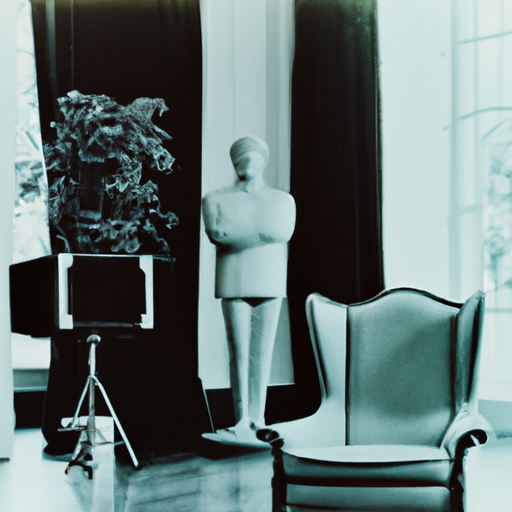
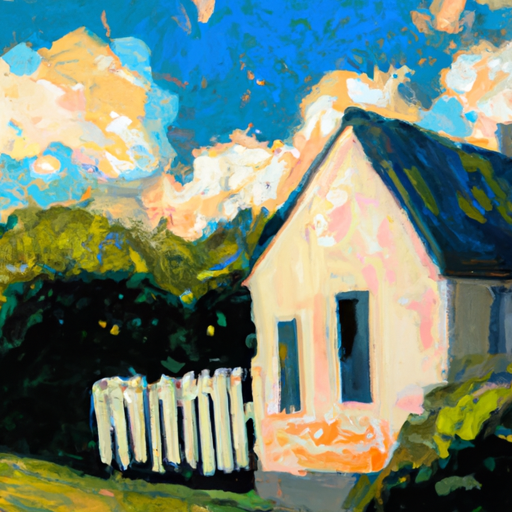
Example of visual style of American Realism

American Realism

American Realism was an art movement that emerged in the late 19th century and became prominent in the early 20th century. It depicted everyday life and scenes in a realistic manner, capturing ordinary people, landscapes, and objects with great attention to detail. This style gained fame for its authentic representation of American society and its focus on the beauty of simplicity and the ordinary. American Realism is often associated with the works of artists such as Winslow Homer, Edward Hopper, and Andrew Wyeth.

View StyleExplore Style
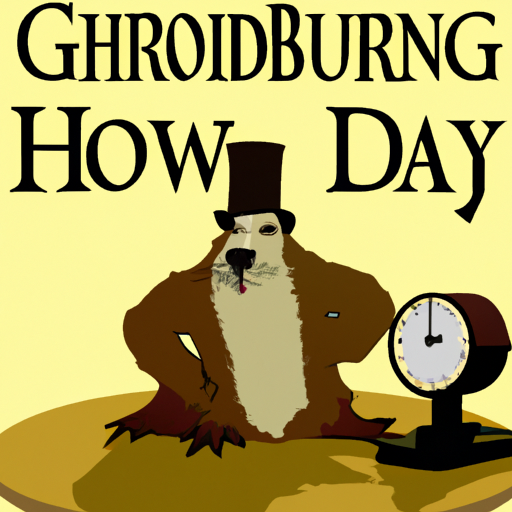

Example of visual style of Harvey Pekar

Harvey Pekar

Harvey Pekar is a visual style that emerged in the 1970s and became famous through the autobiographical comic book series 'American Splendor'. Pekar's style is characterized by his raw and gritty depiction of everyday life, focusing on the ordinary and mundane. He used a highly detailed and realistic drawing style to capture the essence of his stories and often incorporated text-heavy narrative panels to convey his thoughts and observations. Pekar's work stands out for its candid and unfiltered portrayal of the human experience, bringing attention to the often overlooked aspects of life.

View StyleExplore Style
Example of visual style of Lee Friedlander

Lee Friedlander

Lee Friedlander is known for his unique style of street photography, capturing everyday scenes and objects in a way that reveals the artistic potential of the mundane. He rose to prominence in the 1960s and 1970s, during the heyday of American documentary photography. Friedlander's ability to find beauty in the ordinary, his use of complex compositions and reflections, and his keen sense of humor have made him one of the most influential photographers of his generation.

View StyleExplore Style
Example of visual style of Seinfeld

Seinfeld

The visual style of Seinfeld can be described as a sitcom with a minimalist and realistic approach. It aired from 1989 to 1998 and became famous for its distinctive, laid-back style. The show's set design was simple, featuring primary colors and a clutter-free aesthetic. The fashion choices reflected the casual and relatable characters, with a focus on everyday attire of the 90s. The visual style of Seinfeld contributed to its success by capturing the essence of relatable, ordinary lives.

View StyleExplore Style
Home