StylopediaStylopedia

Order styles on Stylopedia

A visual encyclopedia of order styles – use as prompt inspiration for Midjourney, Gemini, or ChatGPT AI when making order images

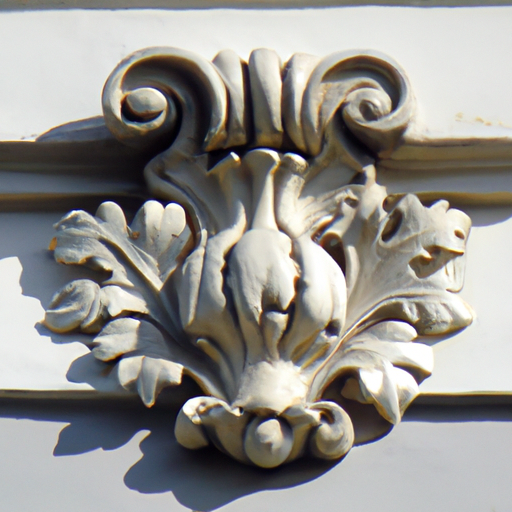
Example of visual style of Classicism

Classicism

Classicism is a visual style that emerged in ancient Greece and Rome during the 5th century BC to the 3rd century AD. It was characterized by a return to the aesthetic principles of order, harmony, and balance that were prevalent in Greek and Roman art and architecture. The style gained prominence during the Renaissance in the 15th and 16th centuries. Classicism became famous for its focus on idealized forms, symmetrical compositions, and a sense of proportion. It celebrated the virtues of balance, clarity, and rationality.

View StyleExplore Style
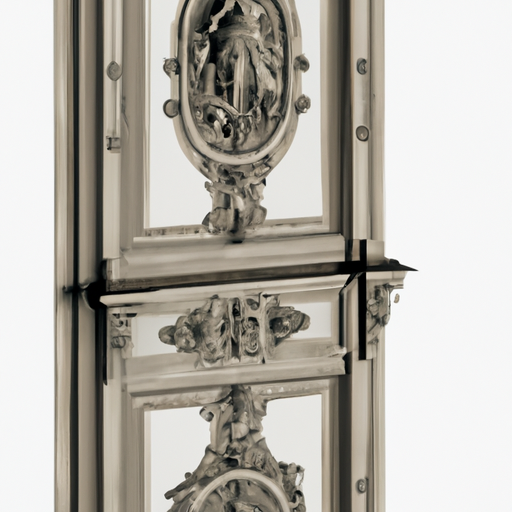
Example of visual style of Kazuhiko Nakamura

Kazuhiko Nakamura

Kazuhiko Nakamura is a Japanese graphic designer known for his minimalist and clean visual style. Emerging in the 1960s, Nakamura's work became famous for its simplicity, precision, and attention to detail. He was at the forefront of the Swiss Style influence on Japanese graphic design, combining Western modernism with traditional Japanese aesthetics. Nakamura's work often featured bold typography, solid colors, and a sense of harmony. His designs conveyed a sense of order and clarity, making them highly effective in communicating messages. Nakamura's style gained international recognition in the 1970s and 1980s, and he became an influential figure in the field of graphic design.

View StyleExplore Style
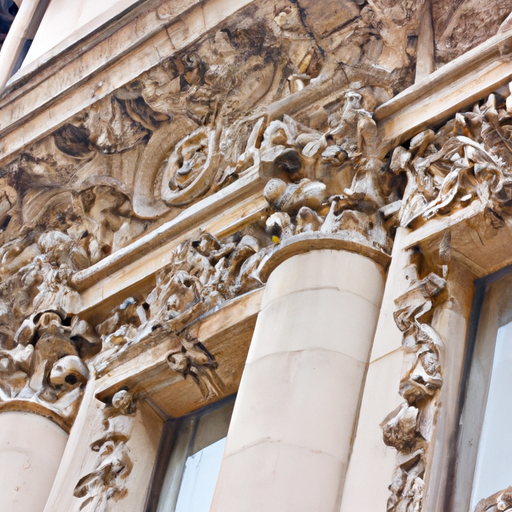
Example of visual style of Military Aesthetics

Military Aesthetics

Military Aesthetics refers to a visual style that draws inspiration from military uniforms, equipment, and motifs. It became prominent during the mid-20th century, most notably during World War II. The style gained popularity due to its association with valor, patriotism, and solidarity. Military Aesthetics often features strong, bold colors such as shades of green, khaki, navy blue, and camouflage patterns. It incorporates elements like epaulettes, brass buttons, badges, utility pockets, and military insignias. This style embraces a sense of order, discipline, and uniformity, evoking a sense of power and authority.

View StyleExplore Style
Example of visual style of Neoclassical Artists

Neoclassical Artists

Neoclassical Artists refers to a visual style that emerged in the late 18th and early 19th centuries in Europe. Influenced by the revival of classical Greek and Roman art, this style emphasized harmony, order, and a return to the ideals of ancient civilizations. Neoclassical Artists sought to capture the grandeur and beauty of antiquity through their art, depicting historical and mythological scenes, as well as portraits of prominent figures. This style became famous for its attention to detail, use of classical motifs, and a sense of idealized perfection.

View StyleExplore Style
Example of visual style of Neoclassical Style

Neoclassical Style

The Neoclassical Style emerged in the late 18th century and reached its peak in the early 19th century. It was inspired by the classical art and architecture of ancient Greece and Rome. Neoclassical artists sought to revive the ideals of order, reason, and simplicity that characterized the classical period. Famous for its clean lines, symmetry, and restrained elegance, this style was highly influential in the fields of architecture, sculpture, painting, and design during the time of the French Revolution and Napoleonic era.

View StyleExplore Style
Example of visual style of Neoclassicism

Neoclassicism

Neoclassicism refers to an artistic style that emerged in the late 18th century and lasted until the early 19th century. It was heavily influenced by the classical art and culture of ancient Greece and Rome. The style became famous for its emphasis on rationality, order, and simplicity, in contrast to the ornate and extravagant Baroque art of the previous era. Neoclassical artists sought to revive the ideals of ancient art, focusing on classical subjects, clean lines, and balanced compositions. Prominent years for Neoclassicism include the late 1700s and early 1800s, with its peak coinciding with the French Revolution. This style gained popularity due to its reflection of the Enlightenment values that were prevalent during the time.

View StyleExplore Style
Home