StylopediaStylopedia

Opulent styles on Stylopedia

A visual encyclopedia of opulent styles – use as prompt inspiration for Midjourney, Gemini, or ChatGPT AI when making opulent images

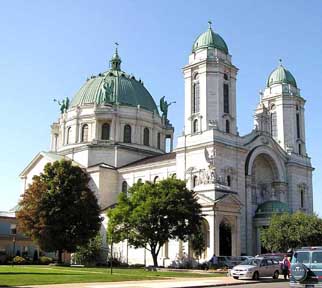
Example of visual style of Carrere And Hastings

Carrere And Hastings

Carrere And Hastings was a Beaux-Arts architectural firm founded in 1885 by John Merven Carrere and Thomas Hastings. They gained fame for their opulent and grandiose designs during the late 19th and early 20th centuries. Their architectural style embodied the Beaux-Arts movement, characterized by classical influences, symmetry, ornate detailing, and a sense of grandeur. Carrere And Hastings' designs were particularly prominent during the Gilded Age, with notable projects including the New York Public Library and the Standard Oil Building in New York City.

View StyleExplore Style
Example of visual style of Catherine Martin

Catherine Martin

Catherine Martin is a visual style known for her distinctive and extravagant production designs primarily in the late 20th century and early 21st century. Her work is characterized by a blend of vintage aesthetics with a modern twist, creating visually stunning and immersive worlds. Martin gained fame for her work on movies like 'Moulin Rouge!' (2001) and 'The Great Gatsby' (2013), where she brought to life opulent and fantastical settings that define the style she has become renowned for.

View StyleExplore Style
Example of visual style of Cellini

Cellini

Cellini is a visual style that emerged in the Renaissance period, particularly during the 16th century. It is named after the renowned Italian artist and goldsmith, Benvenuto Cellini. This style is characterized by its intricate and ornate designs, often featuring delicate details and rich embellishments. Cellini became famous for his exquisite metalwork, sculptures, and jewelry, which exemplified the elegance and skill of this style. The Cellini visual style gained popularity for its opulence and craftsmanship, attracting wealthy patrons and establishing a new standard of luxury and beauty in art and design.

View StyleExplore Style
Example of visual style of Cinna

Cinna

Cinna is a visual style that emerged during the 18th century and became famous for its opulence and intricacy. It was popularized by the French designer Pierre-Adrien Pâris, also known as Jean-Baptiste-Pierre Le Brun. Cinna's visual style is characterized by symmetrical and ornate designs, with a focus on decorative elements such as gilded accents, floral motifs, and grandiose proportions. This style reached its peak during the reign of Louis XVI and became synonymous with the grandeur of the Palace of Versailles and the French Rococo period.

View StyleExplore Style
Example of visual style of Colin Cowie

Colin Cowie

Colin Cowie is a renowned event planner and designer known for his glamorous and sophisticated visual style. With his career spanning over three decades, Cowie became famous for his luxurious and meticulously planned events. His style emerged in the late 1990s and continues to evolve, combining opulence, precision, and attention to detail. Cowie's work has been featured in numerous publications and he has become a trusted name in event planning and design on an international scale.

View StyleExplore Style
Example of visual style of Court Nobles

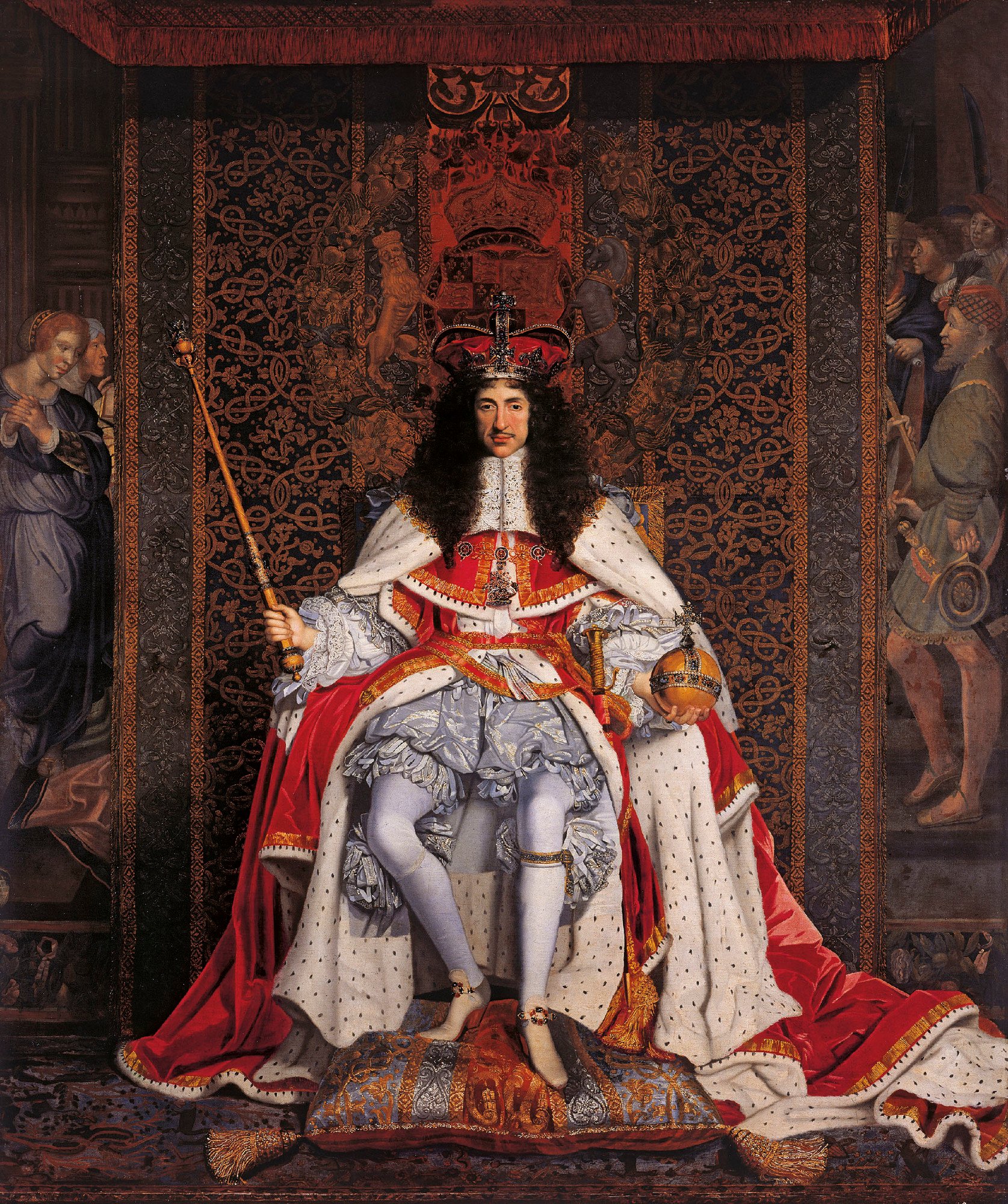
Court Nobles

Court Nobles is a visual style that emerged during the Renaissance in Europe, particularly in the 16th and 17th centuries. This style was predominantly associated with the aristocratic class and the royal courts of the time. Court Nobles became famous for its lavish and opulent aesthetics, characterized by ornate details, rich colors, and luxurious materials. It reflected the wealth and prestige of the ruling class, showcasing their power and grandeur through the visual arts and fashion.

View StyleExplore Style
Example of visual style of David Tutera

David Tutera

David Tutera is a renowned event planner and designer who is known for his luxurious and extravagant style. He rose to fame in the late 1990s and early 2000s for his expertise in creating opulent and visually stunning events, particularly weddings. Tutera is famous for his attention to detail, impeccable taste, and ability to transform ordinary spaces into extraordinary experiences. His signature style is characterized by elegance, sophistication, and a blend of classic and contemporary elements. Tutera has become a household name in the event planning industry and continues to inspire and influence aspiring designers and planners worldwide.

View StyleExplore Style
Example of visual style of Edwardian Era

Edwardian Era

The Edwardian Era visual style refers to the period between 1901 and 1910, during the reign of King Edward VII in the United Kingdom. It is characterized by a blend of different design influences, including Art Nouveau, Arts and Crafts, and elements from the previous Victorian era. This style is known for its elegance, sophistication, and grandeur, epitomizing the opulent lifestyle of the upper class during this time. It is often associated with ornate and intricate details, luxurious fabrics, pastel color palettes, and a sense of romanticism. The Edwardian Era became famous for its fashionable clothing, extravagant interiors, and the emergence of notable designers such as Charles Rennie Mackintosh and Louis Comfort Tiffany.

View StyleExplore Style
Example of visual style of Elizabeth Taylor

Elizabeth Taylor

Elizabeth Taylor was a glamorous and captivating actress who rose to fame during the 1950s and 1960s. Known for her stunning beauty and violet eyes, she became a prominent figure in Hollywood and was one of the most sought-after actresses of her time. Elizabeth Taylor's signature style was characterized by elegance, femininity, and opulence. She often wore form-fitting dresses, luxurious furs, and sparkling jewelry, exuding a sense of sensuality and sophistication. Her style was influential and continues to be celebrated for its timeless elegance.

View StyleExplore Style
Home