StylopediaStylopedia

Optimistic styles on Stylopedia

A visual encyclopedia of optimistic styles – use as prompt inspiration for Midjourney, Gemini, or ChatGPT AI when making optimistic images

Example of visual style of American Illustration

American Illustration

American Illustration is a visual style that emerged in the early 20th century and became famous during the mid-20th century. It is characterized by detailed and realistic drawings, often featuring the idealized American way of life. This style gained popularity in the 1940s and 1950s, particularly through the illustrations found in magazines like The Saturday Evening Post. American Illustration showcased the optimism, patriotism, and values of post-war America, capturing scenes of everyday life, family, work, and leisure. It depicted a nostalgic and optimistic view of American society, presenting a polished and idealized vision of the American dream.

View StyleExplore Style
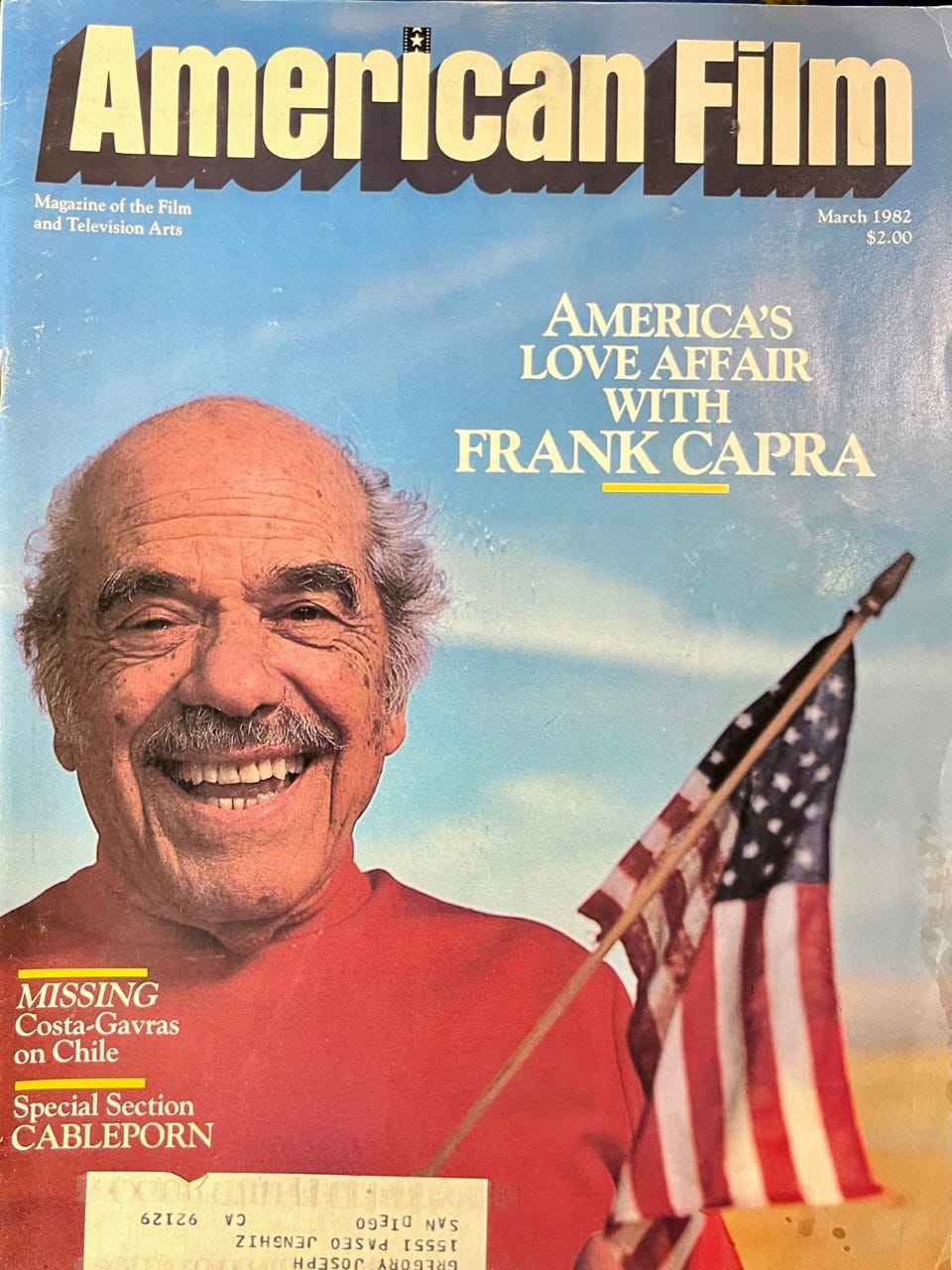
Example of visual style of Jean Lemon

Jean Lemon

Jean Lemon is a visual style that emerged in the 1960s and became famous for its vibrant and bold use of lemony yellow hues. It is characterized by its playful and optimistic aesthetic, often featuring geometric patterns, clean lines, and a sense of whimsy. This style gained popularity in the fashion industry and was associated with the mod culture of the time. Jean Lemon is still influential today, with its cheerful and refreshing palette inspiring designers and artists alike.

View StyleExplore Style
Example of visual style of Retrofuturism

Retrofuturism

Retrofuturism is a visual style that emerged in the mid-20th century, particularly during the 1940s to 1960s. It combines elements of retro designs and aesthetics with futuristic concepts and themes. With influences from science fiction, technology, and space exploration, retrofuturism became famous for its optimistic and imaginative visions of the future. It often featured sleek and streamlined forms, bold colors, futuristic technology, and a sense of nostalgia for an idealized past.

View StyleExplore Style
Example of visual style of Silver Age of Comics

Silver Age of Comics

The Silver Age of Comics refers to the period from the mid-1950s to the early 1970s in comic book history. This era brought a revitalization to the comic book industry, with the introduction of iconic characters like the Flash, Green Lantern, and the Fantastic Four. It was characterized by a more optimistic and futuristic tone, as well as a return to the superhero genre. The Silver Age is famous for its bold and vibrant artwork, dynamic storytelling, and the establishment of the Marvel and DC universes.

View StyleExplore Style
Example of visual style of The Mary Tyler Moore Show

The Mary Tyler Moore Show

The visual style of 'The Mary Tyler Moore Show' is best described as colorful and inviting, reflecting the vibrant spirit of the 1970s. It became famous for its use of warm, earthy tones, playful patterns, and a mix of traditional and modern interior design. The show, which aired from 1970 to 1977, portrayed the life of a single, independent career woman in Minneapolis, and its visual style reflected the fashion and design trends of the time. 'The Mary Tyler Moore Show' captured the essence of the 70s with its energetic and optimistic visuals, setting a new standard for television sitcoms of that era.

View StyleExplore Style
Home