StylopediaStylopedia

Optical illusions styles on Stylopedia

A visual encyclopedia of optical illusions styles – use as prompt inspiration for Midjourney, Gemini, or ChatGPT AI when making optical illusions images

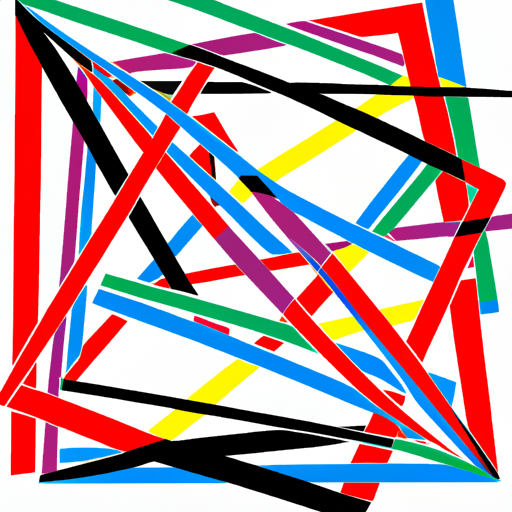
Example of visual style of Akiyoshi Kitaoka

Akiyoshi Kitaoka

Akiyoshi Kitaoka is a Japanese psychologist and artist known for his visually mesmerizing optical illusions. His style, developed in the late 1990s and popularized in the 2000s, focuses on the creation of mind-bending patterns and illusions that play with our perception of color, depth, and motion. Kitaoka's work gained fame due to its ability to deceive the viewer's visual system and create the illusion of movement or distortions in static images. His optical illusions have been widely shared online and showcased in various exhibitions, contributing to the growing interest in perceptual psychology and the appreciation of visual illusions.

View StyleExplore Style

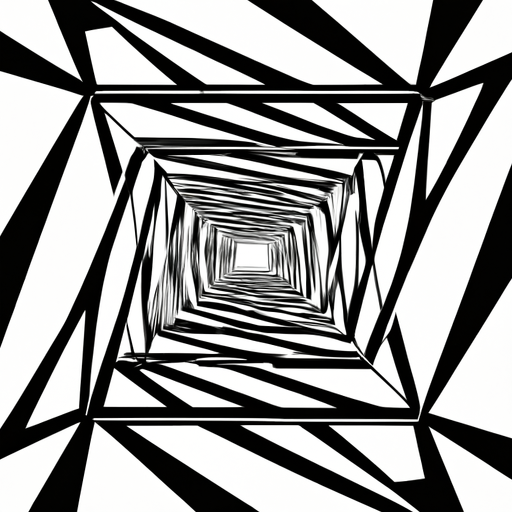
Example of visual style of Gustavo Pantone

Gustavo Pantone

Gustavo Pantone is a contemporary visual style that combines elements of op art, geometric abstraction, and street art. It emerged in the early 2010s and gained popularity for its futuristic and vibrant aesthetics. Pantone's works are characterized by dynamic patterns, bold lines, optical illusions, and a futuristic color palette. His style has become famous for its ability to create visually captivating and immersive experiences, often playing with the viewer's perception and challenging the boundaries of traditional art forms.

View StyleExplore Style
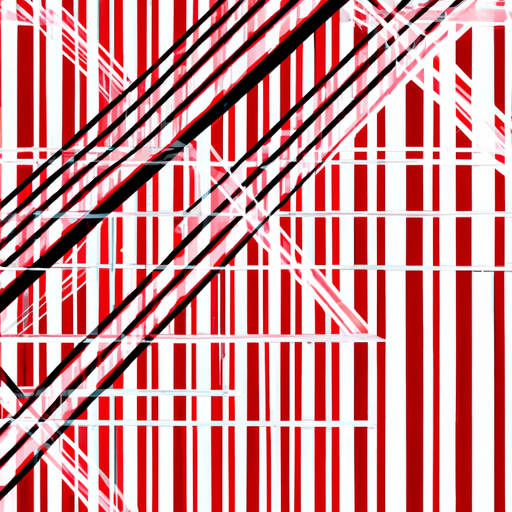
Example of visual style of Harnessing

Harnessing

Harnessing is a visually striking style that emerged in the late 1960s and gained popularity throughout the 1970s. Known for its vibrant use of colors and abstract geometric shapes, Harnessing quickly became famous for its ability to convey energy and movement. This style is often associated with the psychedelic era and its emphasis on individualism and self-expression. Harnessing artists experimented with optical illusions and dynamic compositions to create visually captivating and mind-altering experiences. The style's popularity faded in the 1980s as it gave way to new artistic movements.

View StyleExplore Style
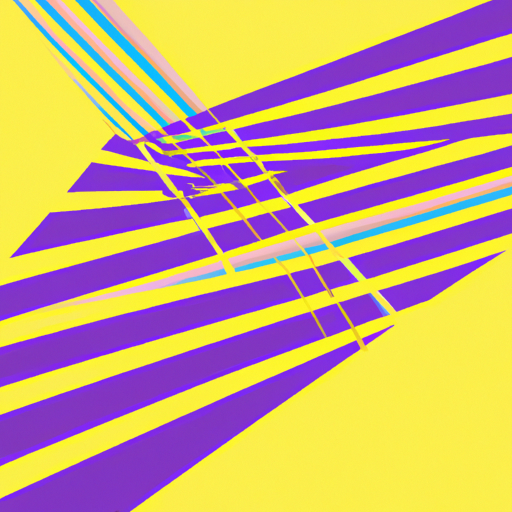
Example of visual style of Jesus Rafael Soto

Jesus Rafael Soto

Jesus Rafael Soto was a Venezuelan artist known for his involvement in the Kinetic art movement. His visual style is characterized by the use of vibrant colors, geometric patterns, and the incorporation of movement in his artworks through the use of optical illusions and three-dimensional structures. Soto gained prominence in the 1950s with his series of Penetrables, large-scale installations made of hanging plastic or metal tubes that spectators could walk through, creating an immersive and interactive experience. His unique style and innovative use of materials made him an influential figure in the art world. Soto's work continues to be celebrated for its dynamic and engaging nature.

View StyleExplore Style
Example of visual style of Josef Albers

Josef Albers

Josef Albers was a German-born artist known for his iconic series 'Homage to the Square'. This style, popularized in the mid-20th century, focused on the exploration of color and optical illusions. Albers meticulously studied the interactions of different color combinations and geometric forms, creating abstract compositions that played with perception and depth. His work became famous for its ability to create visual tension and evoke emotional responses through precise color relationships.

View StyleExplore Style
Example of visual style of Richard Anuszkiewicz

Richard Anuszkiewicz

Richard Anuszkiewicz is an American Op Art artist known for his vibrant and geometric optical illusions. He rose to prominence in the 1960s as one of the leading figures of the Op Art movement, which sought to create visual experiences that challenged perception and created optical illusions. Anuszkiewicz's works often feature bold and contrasting colors, precise geometric patterns, and intricate arrangements of shapes. His art is characterized by an intense visual impact and an exploration of the effects of color and light. Anuszkiewicz's style became famous for its ability to create visual illusions that seem to shift and vibrate, captivating viewers with their optical effects.

View StyleExplore Style

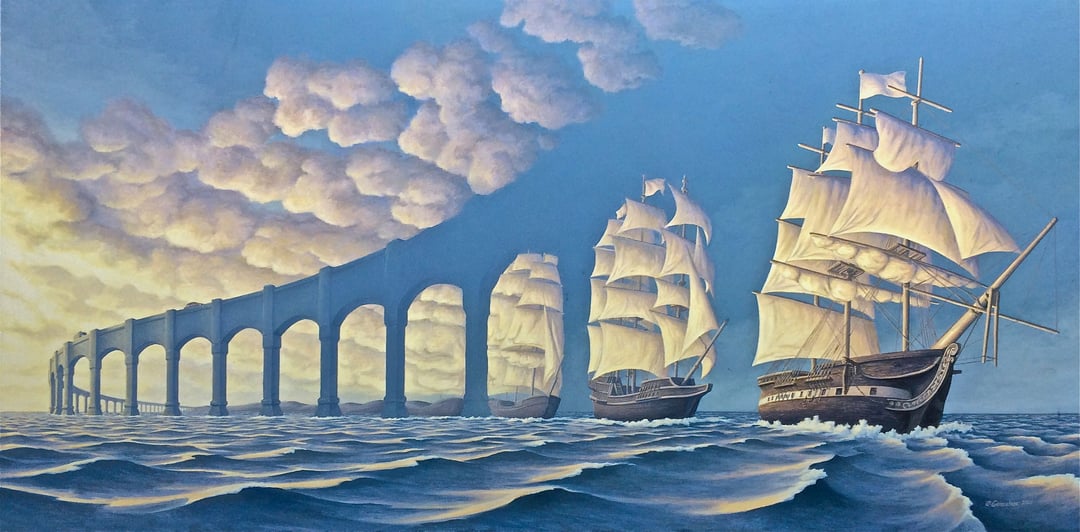
Example of visual style of Rob Gonsalves

Rob Gonsalves

Rob Gonsalves is a Canadian painter known for his style of magical realism. His paintings feature stunning scenes that seamlessly blend multiple realities and perspectives, creating optical illusions and mind-bending visuals. Gonsalves gained fame in the late 1990s and early 2000s for his unique and imaginative artwork. He became known for his ability to depict scenes where the boundaries between reality and imagination are blurred, often incorporating architectural elements and natural landscapes. His paintings invite viewers to question the nature of perception and challenge the limitations of the human eye.

View StyleExplore Style
Example of visual style of Victor Vasarely

Victor Vasarely

Victor Vasarely, also known as the Father of Op Art, was a Hungarian-French artist. He revolutionized the field of optical art in the 1960s. Vasarely's art is characterized by geometric patterns and optical illusions that create a sense of movement and depth. His works became famous for their exploration of perception and visual relationships. Vasarely's style gained recognition and popularity in the 1960s and 1970s, with his artwork being exhibited worldwide. He played a significant role in bridging the gap between fine art and commercial design.

View StyleExplore Style
Example of visual style of Yaacov Agam

Yaacov Agam

Yaacov Agam is an Israeli artist known for his unique style of kinetic art. Born in 1928, he began his artistic career in the 1950s and gained significant recognition in the 1960s. Agam's art is characterized by its dynamic and ever-changing nature, incorporating movement, light, and color. His artworks often rely on optical illusions and viewer interactions, challenging the traditional boundaries of static art. Agam's innovative use of various materials and technologies, including sculpture, painting, and digital art, has made him famous as a pioneer of kinetic art.

View StyleExplore Style
Home