StylopediaStylopedia

Nostalgic styles on Stylopedia

A visual encyclopedia of nostalgic styles – use as prompt inspiration for Midjourney, Gemini, or ChatGPT AI when making nostalgic images

Example of visual style of Adele

Adele

The Adele visual style emerged in the late 2000s and gained popularity in the early 2010s. Known for its vintage-inspired and romantic aesthetic, this style is named after the iconic British singer Adele. Adele's music and image, characterized by her soulful voice, classic fashion choices, and nostalgic charm, greatly influenced popular culture. The Adele visual style exudes elegance, with a focus on timeless beauty, retro fashion elements, and soft, dreamy imagery. It has become synonymous with vintage-inspired fashion, classic Hollywood glamour, and a sense of nostalgia. This style has a strong emphasis on femininity and often incorporates elements such as flowing dresses, retro hairstyles, and subtle makeup. Overall, the Adele visual style celebrates a romantic and elegant aesthetic with a nod to the past.

View StyleExplore Style

Example of visual style of American Illustration

American Illustration

American Illustration is a visual style that emerged in the early 20th century and became famous during the mid-20th century. It is characterized by detailed and realistic drawings, often featuring the idealized American way of life. This style gained popularity in the 1940s and 1950s, particularly through the illustrations found in magazines like The Saturday Evening Post. American Illustration showcased the optimism, patriotism, and values of post-war America, capturing scenes of everyday life, family, work, and leisure. It depicted a nostalgic and optimistic view of American society, presenting a polished and idealized vision of the American dream.

View StyleExplore Style
Example of visual style of Amy Winehouse

Amy Winehouse

Amy Winehouse was a British singer and songwriter who rose to fame in the mid-2000s. Known for her unique and distinctive style, she was a prominent figure in the music industry. Amy Winehouse's visual style can be characterized as retro, retro-glam, and rockabilly-inspired. She often sported iconic beehive hairstyles, heavy winged eyeliner, and a retro fashion sense. Her style combined elements of the 1950s and 1960s with a modern twist, making it both nostalgic and contemporary. This fusion of vintage aesthetics and contemporary sensibilities made Amy Winehouse's visual style famous and influential.

View StyleExplore Style
Example of visual style of Analog Film Photography

Analog Film Photography

Analog Film Photography is a visual style that was popular from the early 19th century to the late 20th century. It involves capturing images using traditional film cameras and developing the film to create physical prints. This style became famous for its unique characteristics such as vibrant colors, graininess, and a nostalgic feel. It was widely used by photographers to document events, capture landscapes, and express artistic visions. The period between the 1960s and 1990s saw a surge in the popularity of analog film photography.

View StyleExplore Style
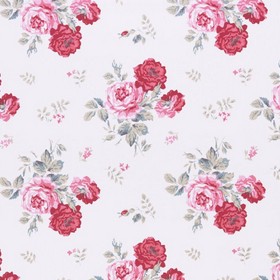
Example of visual style of Bruce Weber

Bruce Weber

Bruce Weber is a fashion and portrait photographer known for his iconic black-and-white images. He gained popularity in the 1980s and 1990s for his distinct style which blended fashion, documentary, and personal photography. Weber's imagery captures a sense of intimacy, often featuring youthful subjects in natural and spontaneous settings. His use of black-and-white photography creates a timeless and nostalgic aesthetic that has become his signature. Weber's work has been widely exhibited and published in fashion magazines, making him one of the most influential photographers of his time.

View StyleExplore Style
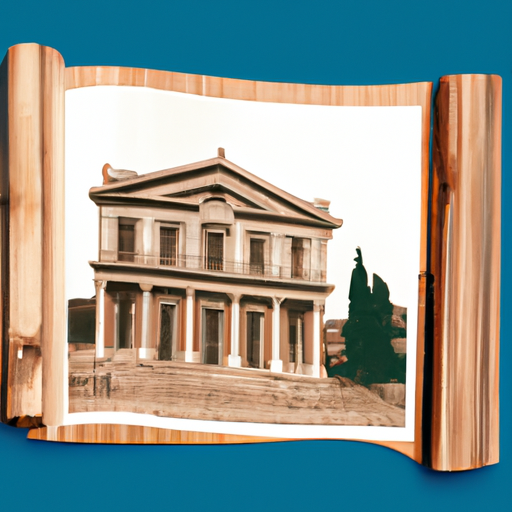
Example of visual style of Chris Sawyer

Chris Sawyer

Chris Sawyer is a visual style known for its pixel art and intricate detail. The style gained popularity in the 1990s with the release of the game RollerCoaster Tycoon, developed by Chris Sawyer. His attention to detail and realistic design elements, such as the simulation of physics and environmental effects, made this style famous in the gaming industry. The pixel art in his games has a unique charm and nostalgic appeal, which continues to captivate players today.

View StyleExplore Style
Example of visual style of Coca Cola

Coca Cola

Coca Cola is a classic and iconic visual style that originated in the late 19th century. With its distinct red and white color scheme, the Coca Cola style is instantly recognizable and has become synonymous with the brand. It gained significant popularity starting in the early 20th century due to its innovative marketing campaigns, which featured Santa Claus and became deeply associated with Christmas. The style is characterized by nostalgic and timeless imagery, typography, and advertising artwork that evoke a sense of warmth, happiness, and Americana. The Coca Cola visual style continues to be celebrated and reproduced to this day, making it one of the most famous and enduring visual styles in the world.

View StyleExplore Style

Example of visual style of Fantastic Mr Fox

Fantastic Mr Fox

The visual style of Fantastic Mr Fox is characterized by its unique blend of stop-motion animation, detailed sets, and quirky and whimsical character designs. The film was released in 2009 and was directed by Wes Anderson, known for his distinctive visual style and storytelling. Fantastic Mr Fox gained fame for its charming and nostalgic aesthetic, which brought the beloved Roald Dahl story to life with a combination of handmade craftsmanship and modern techniques.

View StyleExplore Style
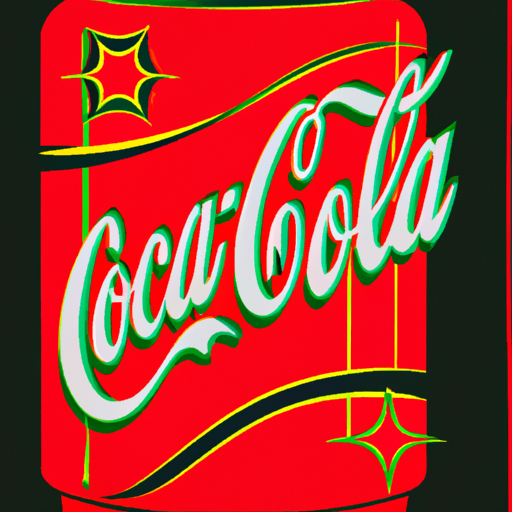
Example of visual style of Kate Greenaway

Kate Greenaway

Kate Greenaway was a popular British illustrator and writer in the late 19th century. Her style, known as the 'Kate Greenaway style', became famous for its delicate and nostalgic depiction of children in pastoral settings. Active primarily between 1870 and 1900, Greenaway's illustrations were characterized by their detailed line work, soft colors, and emphasis on children's fashion from the late 18th and early 19th centuries. Her illustrations often featured young girls in bonnets, pinafores, and sometimes boys in sailor suits, and became highly influential in the world of children's literature and fashion at the time.

View StyleExplore Style
Home