StylopediaStylopedia

Nostalgia styles on Stylopedia

A visual encyclopedia of nostalgia styles – use as prompt inspiration for Midjourney, Gemini, or ChatGPT AI when making nostalgia images

Example of visual style of Amelie Poulain

Amelie Poulain

Amelie Poulain is a visual style that became famous after the release of the French film 'Amelie' in 2001. It is known for its whimsical, vintage-inspired aesthetic with a touch of nostalgia. The style features vibrant colors, playful compositions, and dreamlike imagery. It often incorporates elements of retro and surrealism, creating a magical and romantic atmosphere. The film's success and critical acclaim contributed to the popularity of this style in contemporary art and design.

View StyleExplore Style

Example of visual style of Charlie Brown

Charlie Brown

The visual style of Charlie Brown is a simplistic and minimalistic art style characterized by its hand-drawn, black and white comic strip aesthetic. This style was made famous through the popular comic strip 'Peanuts' created by Charles M. Schulz. Running from 1950 to 2000, 'Peanuts' explored the everyday lives and musings of a group of young children, with Charlie Brown as the central character. The distinctive visual style of 'Charlie Brown' became iconic and instantly recognizable, capturing the essence of childhood innocence and introspection.

View StyleExplore Style
Example of visual style of Hasui Kawase

Hasui Kawase

Hasui Kawase was a Japanese artist known for his woodblock prints. Active during the early 20th century, particularly from the 1910s to the 1950s, Hasui's prints captured the beauty of landscapes and cityscapes in Japan. His style is characterized by delicate lines, vibrant colors, and a strong sense of atmosphere. He often depicted scenes during different seasons and weather conditions, showcasing the changing moods and ambiance of the landscapes. Hasui's prints became famous for their ability to evoke a sense of tranquility and nostalgia, making them highly sought after by art collectors and enthusiasts.

View StyleExplore Style
Example of visual style of Ludwig Richter

Ludwig Richter

Ludwig Richter was a German painter and illustrator known for his detailed and realistic style. Active during the 19th century, he gained fame for his landscape paintings, portraits, and illustrations for fairy tales, folk stories, and literature. Richter's work is characterized by its meticulous attention to detail, vibrant colors, and strong emphasis on capturing the essence of everyday life. He often depicted scenes from rural settings, capturing the charm and beauty of the German countryside. Ludwig Richter's art became famous for its ability to transport viewers to the depicted time and place, evoking emotions and nostalgia.

View StyleExplore Style
Example of visual style of Paul Robertson

Paul Robertson

The Paul Robertson visual style is characterized by pixel art with vibrant colors, intricate details, and a distinctive 8-bit aesthetic. It gained popularity in the early 2000s and has become famous for its nostalgic homage to retro video games and anime. Robertson's work showcases a meticulous attention to detail, often featuring complex animations and references to pop culture. His style has influenced many contemporary pixel artists and has become synonymous with the pixel art revival.

View StyleExplore Style
Example of visual style of Peter Blake

Peter Blake

Peter Blake is a British pop artist known for his vibrant and eclectic visual style. His style emerged in the 1960s, during the height of the pop art movement. Blake became famous for his collage works, which typically featured a combination of popular imagery, such as advertisements, photographs, and comic book illustrations. His collages often incorporated elements of nostalgia, with references to popular culture icons and historical figures. Blake's style is characterized by bold colors, graphic compositions, and a sense of playfulness. He gained widespread recognition for designing the cover of The Beatles' album, 'Sgt. Pepper's Lonely Hearts Club Band' in 1967.

View StyleExplore Style
Example of visual style of Retrofuturism

Retrofuturism

Retrofuturism is a visual style that emerged in the mid-20th century, particularly during the 1940s to 1960s. It combines elements of retro designs and aesthetics with futuristic concepts and themes. With influences from science fiction, technology, and space exploration, retrofuturism became famous for its optimistic and imaginative visions of the future. It often featured sleek and streamlined forms, bold colors, futuristic technology, and a sense of nostalgia for an idealized past.

View StyleExplore Style
Example of visual style of Simon Stålenhag

Simon Stålenhag

Simon Stalenhag is a Swedish artist known for his unique and captivating visual style that combines elements of science fiction, nostalgia, and rural landscapes. He gained prominence in the early 2010s through his atmospheric digital paintings depicting futuristic technology seamlessly integrated into rural environments. Stalenhag's works evoke a sense of mystery and wonder, often featuring abandoned or decaying structures and vehicles. His use of muted colors and attention to detail create a haunting yet beautiful aesthetic. Stalenhag's style became famous through his books 'Tales from the Loop' (2014) and 'The Electric State' (2017), which showcased his signature blend of science fiction and retro elements.

View StyleExplore Style
Example of visual style of Sophie Reynolds

Sophie Reynolds

Sophie Reynolds is a visual style characterized by its vibrant and whimsical color palette, intricate patterns, and playful imagery. This style gained popularity in the 2010s, primarily in the field of illustration and graphic design. It is known for combining elements of fantasy, nature, and nostalgia into visually captivating compositions. Sophie Reynolds has become famous for her ability to create enchanting and dreamlike worlds, often featuring anthropomorphic animals and fantastical creatures.

View StyleExplore Style
Example of visual style of Tara Mcpherson

Tara Mcpherson

Tara Mcpherson is a contemporary visual artist known for her unique and captivating style of pop surrealism. Her work combines elements of fantasy, science fiction, and nostalgia, creating dreamlike and emotionally charged illustrations. Mcpherson rose to prominence in the early 2000s through her distinct use of vibrant colors, intricate details, and symbolic imagery. Her art often features eerie yet beautiful female characters with expressive eyes and flowing hair. The combination of her rich color palette, evocative storytelling, and deep emotional themes has made Tara Mcpherson's style a renowned and influential force in the contemporary art world.

View StyleExplore Style
Example of visual style of Victorian Era

Victorian Era

Victorian Era was a period in British history from 1837 to 1901. This era is known for its ornate and lavish visual style, characterized by intricate details, romanticism, and nostalgia for the past. The Victorian Era was famous for its grand architecture, fashion, and art, with an emphasis on opulence and refinement. The Industrial Revolution also had a significant impact on the visual style of this era, with the use of new materials and technologies influencing design choices.

View StyleExplore Style

Example of visual style of Victorian Revival

Victorian Revival

Victorian Revival is a design style that emerged in the late 19th and early 20th centuries, seeking to revive the aesthetics of the Victorian era (1837-1901). This style gained popularity during the late 19th century as a reaction against the industrialization and rapid social changes of the time. The Victorian Revival style is characterized by ornate and elaborate detailing, incorporating intricate patterns, decorative motifs, and a sense of grandeur. It became famous for its focus on nostalgia, historical references, and a desire to rekindle the beauty and elegance of the past.

View StyleExplore Style
Example of visual style of Vintage Photography

Vintage Photography

Vintage Photography refers to the style of photography that was popular during the late 19th century to the mid-20th century. It encompasses photographs taken between the years 1839 and 1960. Vintage photography gained fame for its distinctive visual characteristics, which include sepia tones, soft focus, grainy textures, and vignetting. This style became famous due to its ability to capture a sense of nostalgia and evoke emotions by transporting viewers back to a specific period in history.

View StyleExplore Style
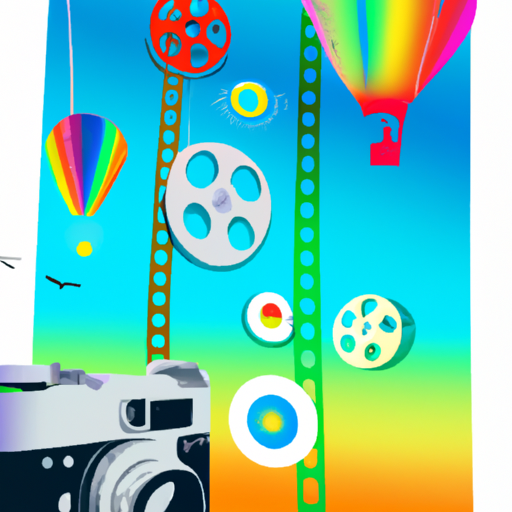
Example of visual style of Wes Anderson's Films

Wes Anderson's Films

Wes Anderson's visual style is characterized by its meticulous attention to detail, symmetrical compositions, vibrant color palettes, and whimsical aesthetics. His films gained prominence in the late 1990s and early 2000s for their unique blend of dry humor, nostalgia, and distinctive visual language. Anderson's style is often described as whimsical, quirky, and nostalgic, taking inspiration from vintage design and mid-century aesthetics. His use of symmetrical framing and carefully composed shots creates a highly stylized and visually pleasing experience for the viewer.

View StyleExplore Style
Example of visual style of Wong Kar Wai

Wong Kar Wai

Wong Kar Wai is a Hong Kong filmmaker known for his distinct visual style that combines elements of romanticism, nostalgia, and urban decay. His films gained international recognition in the 1990s and 2000s, particularly with the release of 'Chungking Express' (1994) and 'In the Mood for Love' (2000). Wong's use of vibrant colors, slow motion, and atmospheric lighting create a dream-like and melancholic atmosphere. He is also known for his fragmented narratives and emphasis on characters' internal emotions. Wong Kar Wai's visually stunning films have captivated audiences worldwide, making him one of the most influential directors in contemporary cinema.

View StyleExplore Style
Example of visual style of Wyeth Family

Wyeth Family

Wyeth Family is an American artistic dynasty consisting of three generations of artists: N.C. Wyeth, Andrew Wyeth, and Jamie Wyeth. Active primarily in the 20th century, their style is characterized by a realistic and often melancholic portrayal of rural American life. N.C. Wyeth gained fame as an illustrator, particularly for his illustrations of adventure and historical books, while Andrew Wyeth and Jamie Wyeth focused on painting landscapes, portraits, and still lifes. Their works capture the beauty and solitude of the American countryside, evoking a sense of nostalgia and introspection.

View StyleExplore Style
Home