StylopediaStylopedia

Non-representational styles on Stylopedia

A visual encyclopedia of non-representational styles – use as prompt inspiration for Midjourney, Gemini, or ChatGPT AI when making non-representational images

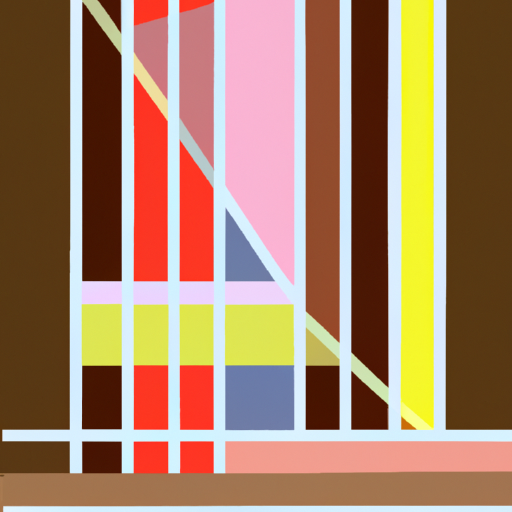
Example of visual style of Abstract Art

Abstract Art

Abstract Art is a modern art style that emerged in the early 20th century and gained popularity in the early 1910s. It is characterized by a departure from realistic representation and a focus on the expression of ideas and emotions through non-representational forms and colors. Notable for its emphasis on shapes, lines, colors, and textures, Abstract Art sought to convey an artist's subjective perspective rather than depict objective reality. This style challenged traditional notions of art and opened up new avenues for experimentation, inspiring artists to explore the boundaries of creativity.

View StyleExplore Style

Example of visual style of Jackson Pollock

Jackson Pollock

Jackson Pollock was an American painter known for his unique style of abstract expressionism. He rose to fame in the late 1940s and early 1950s for his revolutionary and controversial 'drip painting' technique. Using his signature method of pouring and dripping paint onto canvases, Pollock created vibrant and chaotic compositions that were free from traditional rules of representation. His artistic approach emphasized the physical act of painting itself, with an emphasis on gesture, movement, and spontaneity. Pollock's works captured the essence of the postwar era and challenged the conventional notions of art, influencing generations of artists to come.

View StyleExplore Style
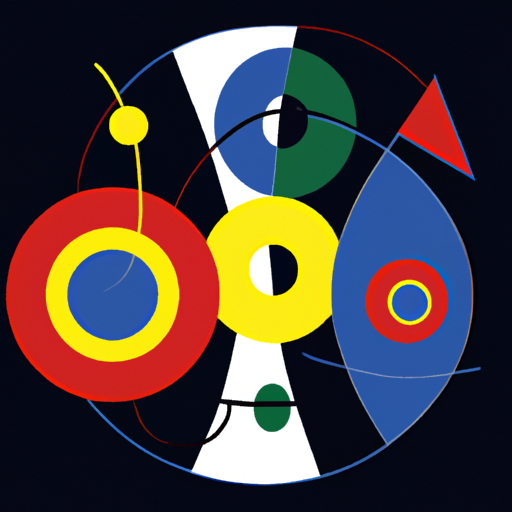
Example of visual style of Kandinsky

Kandinsky

Kandinsky is a visual style developed by the Russian artist Wassily Kandinsky. It emerged in the early 20th century, particularly between 1910 and 1914, and is known for its abstract and non-representational nature. Kandinsky believed in the power of color and form to evoke emotions and spiritual experiences. His use of bold, vibrant colors, geometric shapes, and dynamic compositions made this style famous. Kandinsky's groundbreaking artworks, like 'Composition VII' and 'On White II', challenged traditional notions of art and paved the way for abstract expressionism.

View StyleExplore Style
Example of visual style of Kazimir Malevich

Kazimir Malevich

Kazimir Malevich, a Russian avant-garde artist, is known for his contribution to the Suprematist art movement. Malevich's style emerged around 1915 and reached its peak in the early 1920s. He is famous for his iconic Black Square (1915) painting, which marked a pivotal moment in the history of modern art, moving towards non-objective and non-representational art. Malevich's style emphasized geometric shapes, especially squares and rectangles, confined within a limited palette of colors. His works often expressed a sense of spiritualism and aimed to evoke emotions beyond physical reality.

View StyleExplore Style
Example of visual style of Stanton Macdonald Wright

Stanton Macdonald Wright

Stanton Macdonald Wright was a prominent American abstract painter and co-founder of the Synchromism movement in the early 20th century. Active from 1912 to the 1930s, this style was characterized by the use of vibrant, non-representational colors to create harmonious and rhythmic compositions. Synchromism became famous for its innovative approach to color theory, influenced by the ideas of Wassily Kandinsky and the study of prismatic light. Stanton Macdonald Wright's works from this period are known for their dynamic energy, visual movement, and bold use of primary colors.

View StyleExplore Style
Example of visual style of Vassily Kandinsky

Vassily Kandinsky

Vassily Kandinsky was a Russian painter and art theorist who is credited with painting one of the first purely abstract works. He was a pioneer of abstract art and believed that art should be free from representational and objective elements. Born in 1866, Kandinsky's artistic style evolved over time, starting with figurative and landscape paintings and gradually transitioning to abstract compositions. His famous works include 'Composition VII' (1913) and 'Yellow-Red-Blue' (1925). Kandinsky's use of vibrant colors, bold shapes, and non-representational forms made his style famous and influential in the art world.

View StyleExplore Style
Example of visual style of Wassily Kandinsky

Wassily Kandinsky

Wassily Kandinsky was a Russian painter and art theorist who is credited with being one of the pioneers of abstract art. His paintings are characterized by vibrant colors, fluid forms, and mystical symbolism. Kandinsky's style emerged in the early 20th century, particularly during his time with the Blue Rider movement (1911-1914). He believed that art should be free from the constraints of depicting the physical world and instead aimed to evoke emotions and spirituality through non-representational forms. Kandinsky's use of bold color combinations and geometric shapes made his work revolutionary and highly influential in the development of abstract art.

View StyleExplore Style
Home