StylopediaStylopedia

Nomadic styles on Stylopedia

A visual encyclopedia of nomadic styles – use as prompt inspiration for Midjourney, Gemini, or ChatGPT AI when making nomadic images

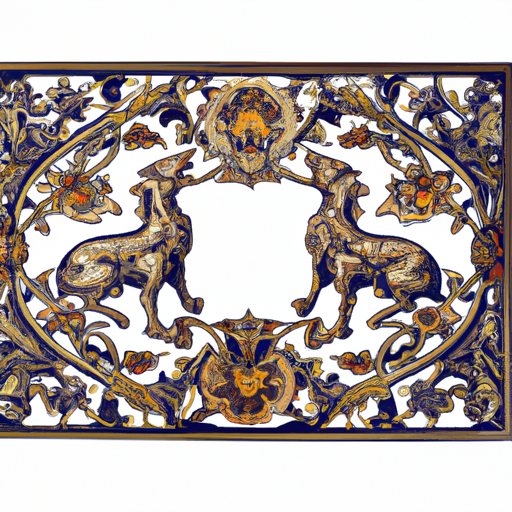
Example of visual style of Sarmatian Culture

Sarmatian Culture

Sarmatian Culture refers to the visual style and artistic expressions of the Sarmatians, a group of ancient Iranian nomadic peoples who flourished from the 5th century BC to the 4th century AD. The art of Sarmatian Culture was famous for its rich symbolism, intricate designs, and vibrant colors. It often depicted scenes from daily life, warfare, and mythology. The Sarmatians were known for their exceptional horsemanship, and this was a prominent theme in their art. With influences from various cultures they encountered, Sarmatian art became famous for its unique blend of Scythian, Hellenistic, and Asiatic styles, creating a visually captivating and distinct aesthetic.

View StyleExplore Style
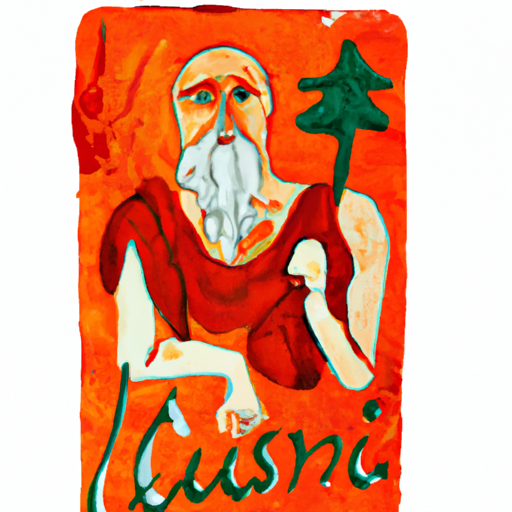
Example of visual style of The Hun

The Hun

The Hun was a visual style that emerged in the late 4th century CE during the reign of the Huns. It gained popularity and notoriety throughout the 5th century CE. The key characteristic of this style was its influence from the nomadic lifestyle and cultural traditions of the Huns. It was known for its bold and fierce imagery, often depicting scenes of hunting, warfare, and equestrian life. The use of earth tones, particularly shades of brown, red, and beige, was prominent in The Hun style, emphasizing a connection to nature and the Steppes. The style gained fame for its representation of the Huns' power and dominance, and their distinctive physical appearance, such as their horseback riding skills and their unique hairstyles. The Hun style often featured intricate patterns, geometric designs, and organic motifs inspired by animal and plant life.

View StyleExplore Style
Home