StylopediaStylopedia

Neorealism styles on Stylopedia

A visual encyclopedia of neorealism styles – use as prompt inspiration for Midjourney, Gemini, or ChatGPT AI when making neorealism images

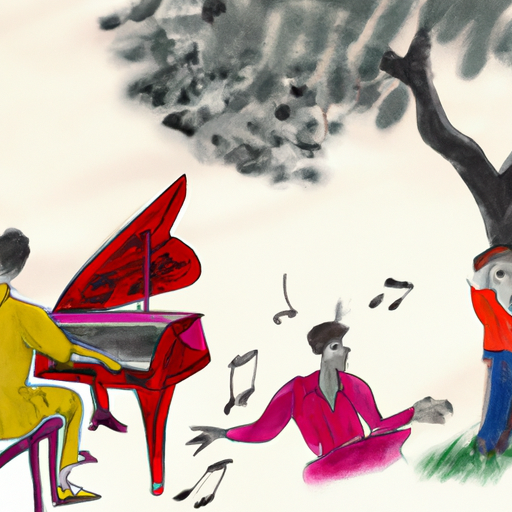
Example of visual style of Federico Fellini

Federico Fellini

Federico Fellini was an Italian film director and screenwriter who played a significant role in the development of Italian neorealism and surrealism. His visual style, primarily showcased in the 1950s and 1960s, revolutionized the way stories were told on screen. His films were known for their outrageous and extravagant imagery, dreamlike sequences, larger-than-life characters, and a meticulous attention to detail. Fellini's famous works such as 'La Dolce Vita' (1960) and '8½' (1963) introduced a new era of storytelling in cinema by blending fantasy with reality and blurring the line between imagination and truth.

View StyleExplore Style
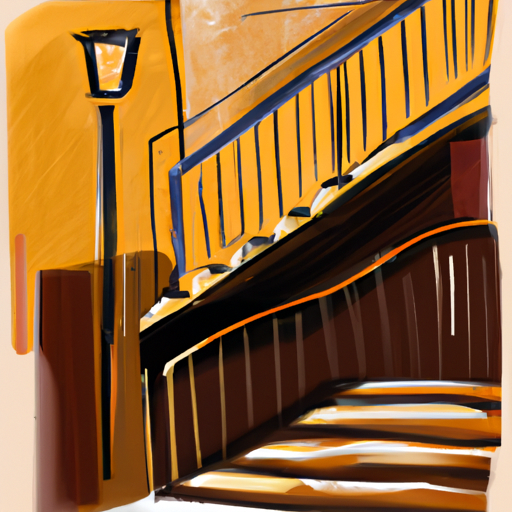
Example of visual style of La Strada

La Strada

La Strada is a visual style that emerged in the 1950s and became famous due to the film of the same name directed by Federico Fellini in 1954. It is characterized by a combination of neorealism and romanticism, portraying the harsh realities of life in post-war Italy with a touch of poetic lyricism. The style often uses black and white cinematography to create a stark contrast and emphasize the emotional turmoil of the characters. La Strada captured the attention of audiences worldwide and introduced Fellini as a prominent filmmaker.

View StyleExplore Style
Example of visual style of Roberto Rossellini

Roberto Rossellini

Roberto Rossellini was an Italian filmmaker whose visual style is characterized by a documentary-like approach and neorealist aesthetics. His style became famous in the years following World War II when he directed films such as 'Rome, Open City' (1945), 'Paisan' (1946), and 'Germany, Year Zero' (1948). Rossellini's style aimed to depict reality with a raw and unfiltered lens, often using non-professional actors and real locations to create a sense of authenticity. His films explored social and political issues, emphasizing the experiences of ordinary people. Rossellini's style is known for its realism, natural lighting, handheld camera work, and intimate and personal storytelling.

View StyleExplore Style
Home