StylopediaStylopedia

Nature-inspired styles on Stylopedia

A visual encyclopedia of nature-inspired styles – use as prompt inspiration for Midjourney, Gemini, or ChatGPT AI when making nature-inspired images

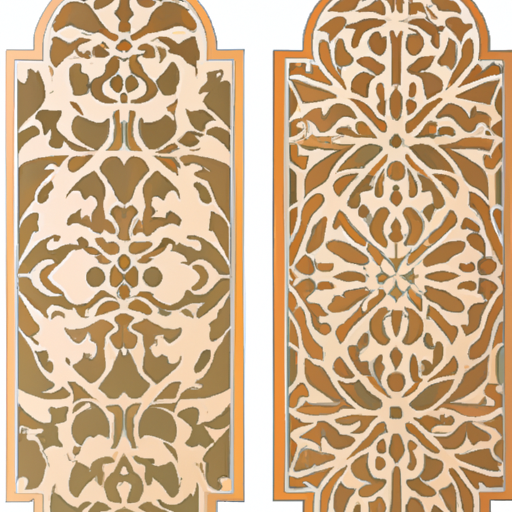
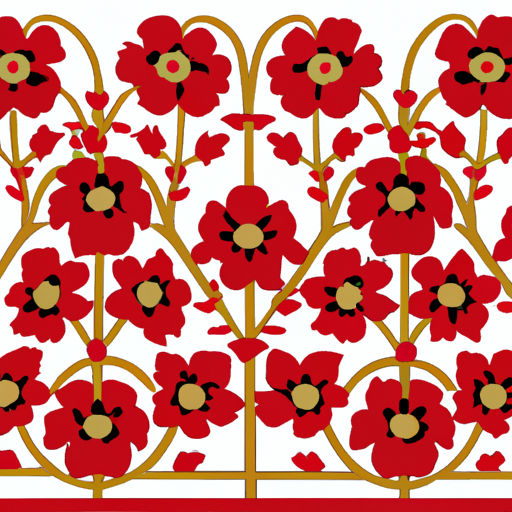
Example of visual style of Arabesque

Arabesque

Arabesque is a highly decorative and intricate visual style that emerged during the Islamic Golden Age in the 8th century and reached its peak in popularity during the Renaissance. It is characterized by the extensive use of flowing and interlacing patterns inspired by nature, such as plants, flowers, and geometric shapes. Arabesque became famous for its symmetrical designs, precise craftsmanship, and intricate details that were often seen in architecture, textiles, ceramics, and manuscripts.

View StyleExplore Style
Example of visual style of Clara Driscoll

Clara Driscoll

Clara Driscoll was an American artist and designer who worked for the Tiffany Studios in the late 1800s and early 1900s. She is best known for her contribution to the development of the iconic Tiffany lamp. Driscoll's notable works include intricate lampshade designs featuring vibrant colors, nature-inspired motifs such as flowers and dragonflies, and leaded glass craftsmanship. Her designs quickly gained popularity and brought significant acclaim to the Tiffany Studios during the Art Nouveau period.

View StyleExplore Style
Example of visual style of Georgia Green

Georgia Green

Georgia Green is a visual style that emerged in the early 20th century. It rose to prominence between the 1920s and 1950s. This style became famous for its vibrant use of the color green, inspired by the lush landscapes of Georgia. It features bold and organic shapes, incorporating elements from nature such as leaves, trees, and floral motifs. Georgia Green is often associated with Art Deco and the Art Nouveau movements, as it shares a similar emphasis on natural forms and decorative patterns.

View StyleExplore Style
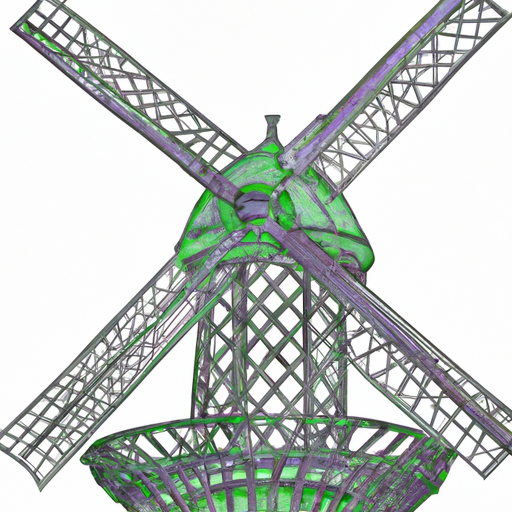
Example of visual style of Hector Guimard

Hector Guimard

Hector Guimard was a prominent French architect and designer, best known for his influential Art Nouveau style during the late 19th and early 20th centuries. His style, characterized by organic and curvilinear forms, was especially prominent in his architectural designs, such as the Paris Metro entrances. Guimard combined elements of nature, such as plants and insects, with innovative use of materials like cast iron and glass. His designs were revolutionary at the time and became iconic symbols of the Art Nouveau movement, representing the blending of art and architecture in a harmonious and decorative manner.

View StyleExplore Style
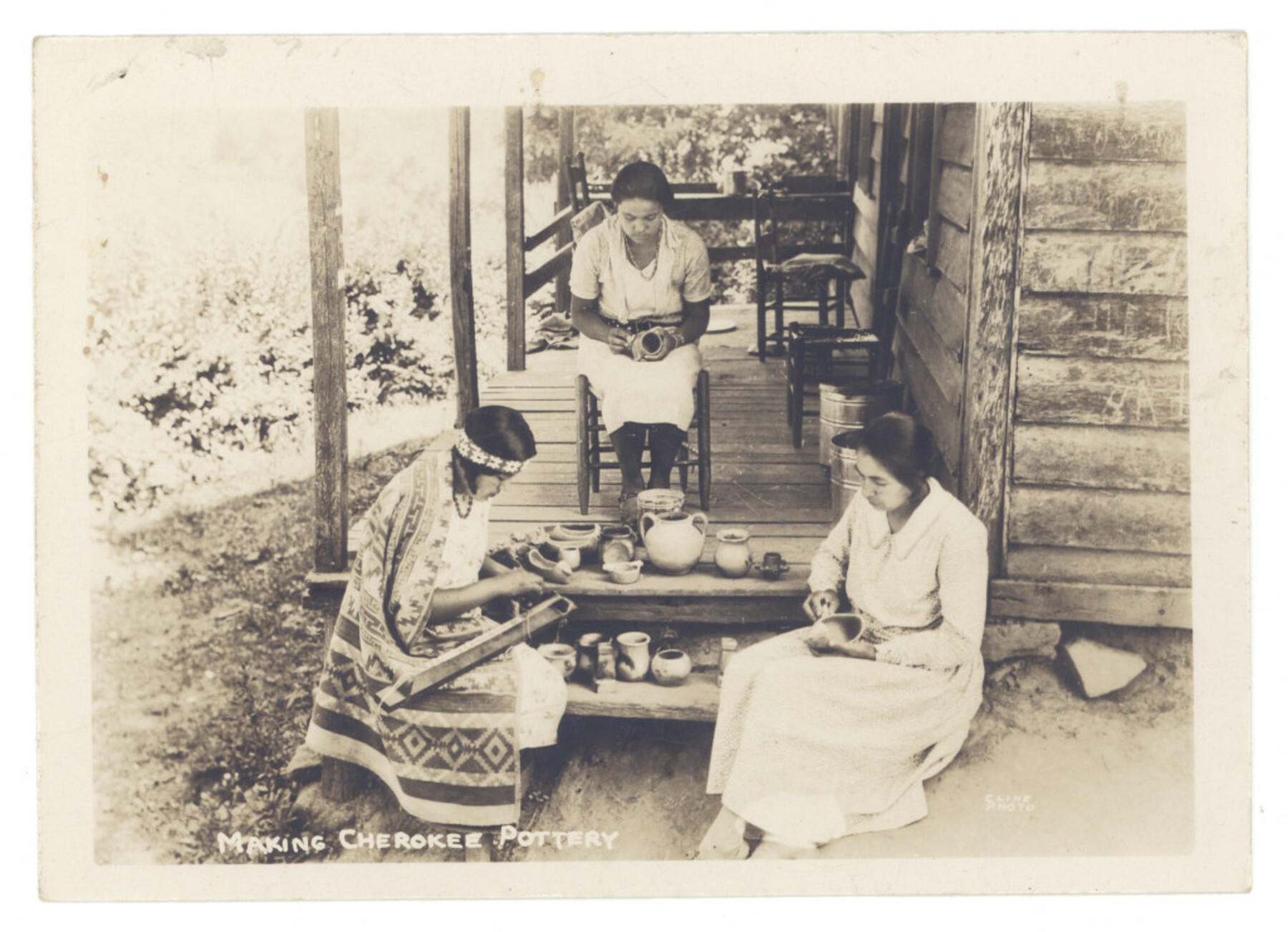
Example of visual style of Jean De Beauce

Jean De Beauce

Jean De Beauce is a visual style that emerged in the late 19th century and remained influential until the early 20th century. It is named after the French designer and artist, Jean De Beauce. This style is characterized by its intricate and ornate designs, inspired by nature and often incorporating elements such as flowers, leaves, and animals. The use of rich colors and detailed patterns are also hallmarks of this style. Jean De Beauce's work became famous for its attention to detail and the blending of classical and contemporary elements, which made it highly sought after during its time.

View StyleExplore Style
Example of visual style of Joan Mitchell

Joan Mitchell

Joan Mitchell was an abstract expressionist painter known for her large-scale vibrant paintings. Her style emerged in the 1950s, during the peak of abstract expressionism, and continued to evolve throughout her career. Mitchell's works are characterized by bold, energetic brushstrokes, vibrant colors, and an emphasis on gestural abstraction. She often drew inspiration from nature, particularly landscapes, and her paintings convey a sense of movement and emotional intensity. Mitchell's unique approach to abstract expressionism made her a prominent figure in the art world and she remains one of the most celebrated female painters of her time.

View StyleExplore Style
Example of visual style of Lois Ehlert

Lois Ehlert

Lois Ehlert is known for her vibrant and playful visual style that captures the essence of nature and childhood. She gained popularity in the late 1980s and early 1990s with her unique collage illustrations in children's books. Ehlert's signature style combines vivid colors, bold shapes, and textured patterns, creating a visually stimulating experience for young readers. Her books often feature cut-paper illustrations that are arranged in a dynamic and engaging manner. Ehlert's use of found objects, natural materials, and bright hues brings her artwork to life and invites readers into a world of imagination and discovery.

View StyleExplore Style
Example of visual style of Rene Lalique

Rene Lalique

Rene Lalique is a visual style that emerged in the late 19th and early 20th centuries. It is known for its exquisite glasswork and jewelry designs. Lalique's style became famous for its innovative use of materials, such as glass, horn, and precious gemstones, combined with intricate designs inspired by nature. His works gained popularity during the Art Nouveau movement in the late 1800s and later flourished during the Art Deco period in the 1920s. Lalique's designs are characterized by their sensual curves, fluid lines, and motifs depicting flora, fauna, and mythical creatures. The delicate craftsmanship and attention to detail made Lalique's creations highly sought after by art collectors and enthusiasts.

View StyleExplore Style
Example of visual style of Tiffany Studios

Tiffany Studios

Tiffany Studios was a decorative arts firm founded by Louis Comfort Tiffany in 1885. The style became famous in the late 19th and early 20th centuries. Renowned for their innovative use of glass, particularly stained glass, Tiffany Studios created stunning and intricate designs that incorporated nature, iridescence, and bold colors. Their signature opalescent glass techniques and unique forms elevated their works to the status of art, with commissions ranging from stained glass windows to lamps, vases, and jewelry.

View StyleExplore Style
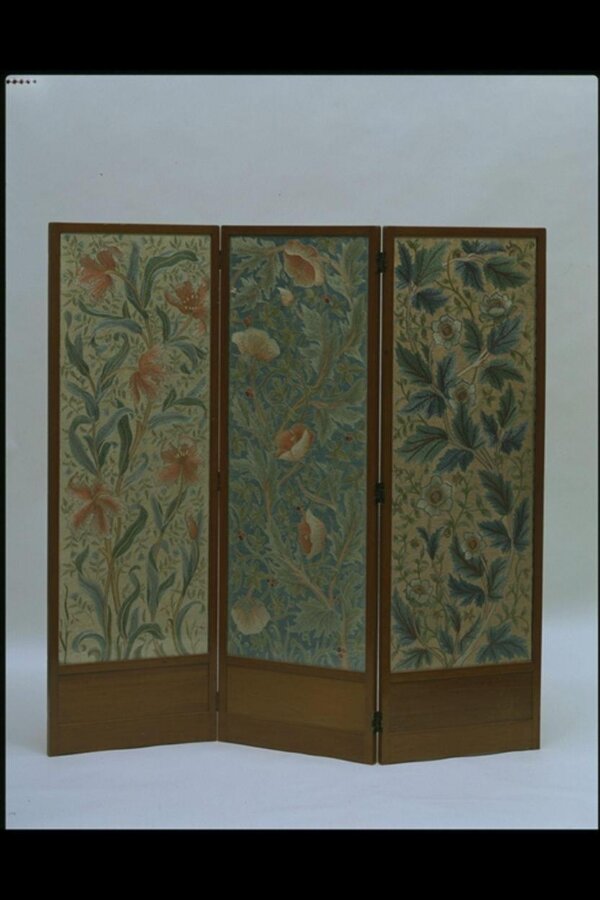
Example of visual style of William Morris

William Morris

The William Morris style, popular from 1860 to 1910, is known for its intricate and elegant designs inspired by nature. Founded by the British artist and textile designer William Morris, this style gained fame for its high-quality craftsmanship and its revival of traditional handmade techniques. The William Morris style emphasized the use of organic forms, rich colors, and fine details, often featuring motifs such as flowers, birds, and intricate patterns. Its influence extended to various art forms, including textiles, wallpaper, furniture, and stained glass, and played a significant role in the Arts and Crafts movement.

View StyleExplore Style

Home