
A Thousand Li Of Rivers And Mountains
A Chinese landscape painting style developed in the 12th century during the Song dynasty, known for its intricate details of rivers, mountains, and nature scenes.
View StyleExplore Style Stylopedia
A visual encyclopedia of nature styles – use as prompt inspiration for Midjourney, Gemini, or ChatGPT AI when making nature images
A Chinese landscape painting style developed in the 12th century during the Song dynasty, known for its intricate details of rivers, mountains, and nature scenes.
View StyleExplore Style
The visual style of Ada Limon is characterized by vibrant colors, bold brush strokes, and a focus on nature and everyday life. Limon's work gained prominence in the late 20th and early 21st centuries for its expressive and emotive qualities.
View StyleExplore Style
Akbar The Great is a Mughal miniature painting style from the 16th century in India, known for its detailed and vibrant depictions of court life, nature, and animals. This style reached its peak during the reign of Emperor Akbar, who was a great patron of the arts.
View StyleExplore Style
The Akrotiri Frescoes refer to a collection of ancient Greek wall paintings found on the island of Santorini. Dating back to the Minoan Bronze Age (c. 1700-1600 BC), these frescoes are known for their vibrant colors, detailed depictions of nature, and sophisticated use of perspective.
View StyleExplore Style
Alejandro Ospina is known for his vibrant and surrealistic visual style, often incorporating elements of pop culture and nature. His work gained popularity in the early 2000s for its imaginative and colorful compositions.
View StyleExplore Style
The Algernon Blackwood visual style is characterized by eerie, mystical landscapes with a focus on nature and the supernatural. Popular in the late 19th and early 20th centuries, his work often features ominous forests, mysterious creatures, and a sense of foreboding.
View StyleExplore Style
Alvar Aalto was a Finnish architect and designer who emerged as a prominent figure in the modernist movement. His work became famous in the 1930s and 1940s and is characterized by a harmonious blend of organic forms, functionalism, and a connection to nature. Aalto's architecture and furniture designs are marked by their humanistic approach, emphasizing comfort, natural materials, and a seamless integration with the surrounding environment.
View StyleExplore Style
American Romanticism was an artistic movement in the United States in the early 19th century, characterized by a focus on emotion, individualism, nature, and the supernatural. Famous for its depictions of dramatic landscapes, idealized scenes, and a celebration of the American spirit.
View StyleExplore Style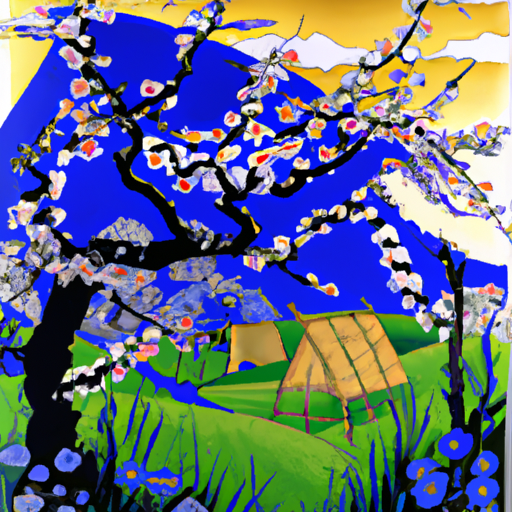
Ando Hiroshige was a Japanese ukiyo-e artist who lived during the late Edo period. He is best known for his landscape prints depicting scenes from various regions in Japan. Hiroshige's works became famous in the mid-19th century and continue to be highly regarded today for their masterful composition, vibrant colors, and atmospheric depictions of nature.
View StyleExplore Style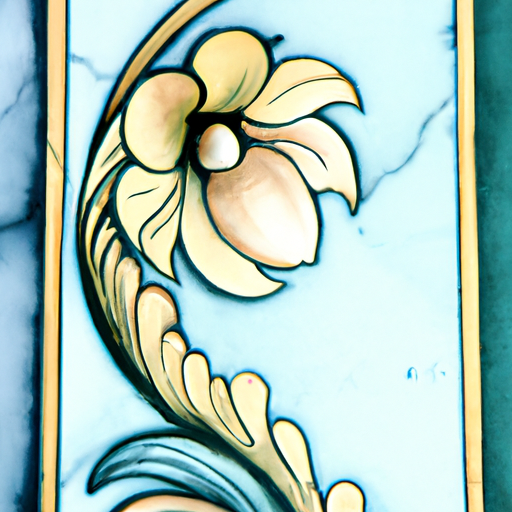
Art Nouveau, which emerged in the late 19th century and lasted until around 1910, is an artistic style characterized by its curvilinear forms and organic motifs inspired by nature. It is known for its ornate and highly decorative designs, embracing flowing lines, floral patterns, and intricate details. Art Nouveau gained popularity as a reaction against the academic art of the time and became famous for its innovative use of materials and techniques, including stained glass, ironwork, and decorative arts. This style reached its height of influence during the Belle Époque, particularly in Europe and the United States.
View StyleExplore Style
Asher B Durand was an influential American painter in the mid-19th century. He was a prominent figure in the Hudson River School movement, which celebrated the American landscape and emphasized detailed and realistic depictions of nature. Durand's works are characterized by their meticulous attention to detail, luminous lighting effects, and a sense of tranquility. He is particularly famous for his landscape paintings, which captured the beauty and grandeur of American scenery.
View StyleExplore Style
Asher Brown Durand was an American painter known for his Hudson River School landscapes in the mid-19th century. His work emphasized detailed and realistic depictions of nature, often featuring lush forests, serene lakes, and dramatic lighting.
View StyleExplore Style
Asian Philosophy visual style embodies simplicity, balance, harmony, and nature. It draws inspiration from ancient Asian beliefs and aesthetics, emphasizing tranquility, minimalism, and a deep connection to the natural world.
View StyleExplore Style
The visual style of Astrid Lindgren is characterized by charming, whimsical illustrations with a focus on nature, animals, and children. The style became famous through its portrayal in Lindgren's beloved children's books, published from the 1940s to the 2000s.
View StyleExplore Style
Bambi is a visual style known for its delicate and naturalistic hand-drawn animation. It gained popularity in the 1940s and 1950s through the classic Disney animated film 'Bambi', directed by David Hand. This style is characterized by vibrant and detailed backgrounds, expressive and lifelike character designs, and a strong focus on nature and wildlife. The use of contrasting colors, soft lines, and realistic movements made this style famous for capturing the beauty and grace of the natural world in animation.
View StyleExplore Style
Basho Matsuo was a Japanese poet from the Edo period known for his haiku works that captured the beauty of nature and the fleeting moments of life. His style became famous for its simplicity, depth, and ability to evoke strong emotions.
View StyleExplore Style
British Folk Art is characterized by simple, colorful, and naïve depictions of rural life, incorporating elements of nature, animals, and traditional British folklore. It gained popularity in the late 18th to early 19th centuries, reflecting the cultural heritage and rural traditions of Great Britain.
View StyleExplore Style
Cai Wenji is a traditional Chinese painting style that features delicate lines, intricate details, and soft colors. This style became famous during the Han Dynasty (206 BC – 220 AD) and often depicted beautiful scenes of nature and elegant women.
View StyleExplore Style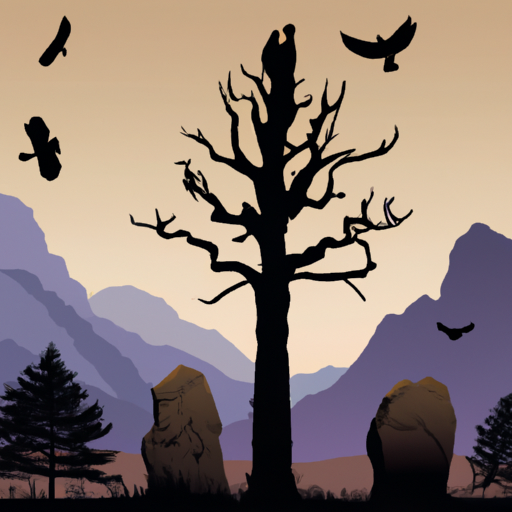
Caspar David Friedrich was a German Romantic landscape painter of the 19th century. His works are characterized by their contemplative and melancholic mood, often depicting landscapes and nature as a reflection of the human experience. Friedrich's paintings became famous for their emphasis on solitude, sublime natural settings, and the spiritual connection between man and nature. His style reached its peak between the years 1807 and 1814.
View StyleExplore Style
Fable is a visual style that features whimsical and fantastical elements inspired by fairy tales and folklore. It gained popularity in the mid-2000s for its unique mix of nature and fantasy themes.
View StyleExplore Style
Catharine Smith is known for her detailed and vibrant paintings of animals and nature, particularly in the mid-20th century. Her use of bold colors and intricate brushwork captured the essence of her subjects, making her work highly sought after by art collectors.
View StyleExplore Style
Celtic Artists is a visual style that originated in the ancient Celtic culture dating back to 450 BC. Known for intricate designs, knotwork patterns, and stylized representations of animals and nature.
View StyleExplore Style
Charley Harper was an American modernist artist known for his highly stylized and minimalist depictions of wildlife and nature. His work, popular from the 1950s to the 2000s, is characterized by bold shapes, rhythmic patterns, and a playful sense of humor.
View StyleExplore Style
Clyde Butcher is known for his black and white landscape photography. His style is characterized by large-format, high-resolution images that capture the beauty and grandeur of nature. His work gained popularity in the 1980s and 1990s, when he started exploring and photographing the Florida Everglades. Butcher's photos became famous for their dramatic, detailed compositions and their ability to convey a sense of awe and reverence for the natural world.
View StyleExplore Style
Deep Ecology is a visual style that emerged in the late 20th century, emphasizing a connection and respect for nature. It gained popularity for its emphasis on environmental conservation and sustainability.
View StyleExplore StyleThe Dh Lawrence visual style is characterized by intense and raw emotional expression, often depicting themes of nature, sexuality, and personal relationships. This style gained fame during the early 20th century for its provocative and controversial content.
View StyleExplore Style
Diana Thater is known for her immersive, site-specific video installations that blur the boundaries between reality and representation. Her work became famous in the 1990s for its exploration of the relationship between nature, technology, and perception.
View StyleExplore Style
Edo Period Art refers to the artistic style that emerged during the Edo period in Japan, which spanned from 1603 to 1868. This period is also known as the Tokugawa period, named after the ruling Tokugawa shogunate. Edo Period Art is famous for its vivid and detailed depictions of various subjects such as landscapes, nature, daily life, kabuki theater, and ukiyo-e (woodblock prints). These artworks often showcased a combination of meticulous craftsmanship, vibrant colors, and a keen observation of the natural world. Edo Period Art played a crucial role in shaping the cultural and aesthetic identity of Japan during this time.
View StyleExplore Style
Edward Turner was a British artist known for his detailed watercolor paintings of rural landscapes and nature scenes. He was active in the late 19th and early 20th centuries, and his work often featured vibrant colors and meticulous attention to light and shadow.
View StyleExplore Style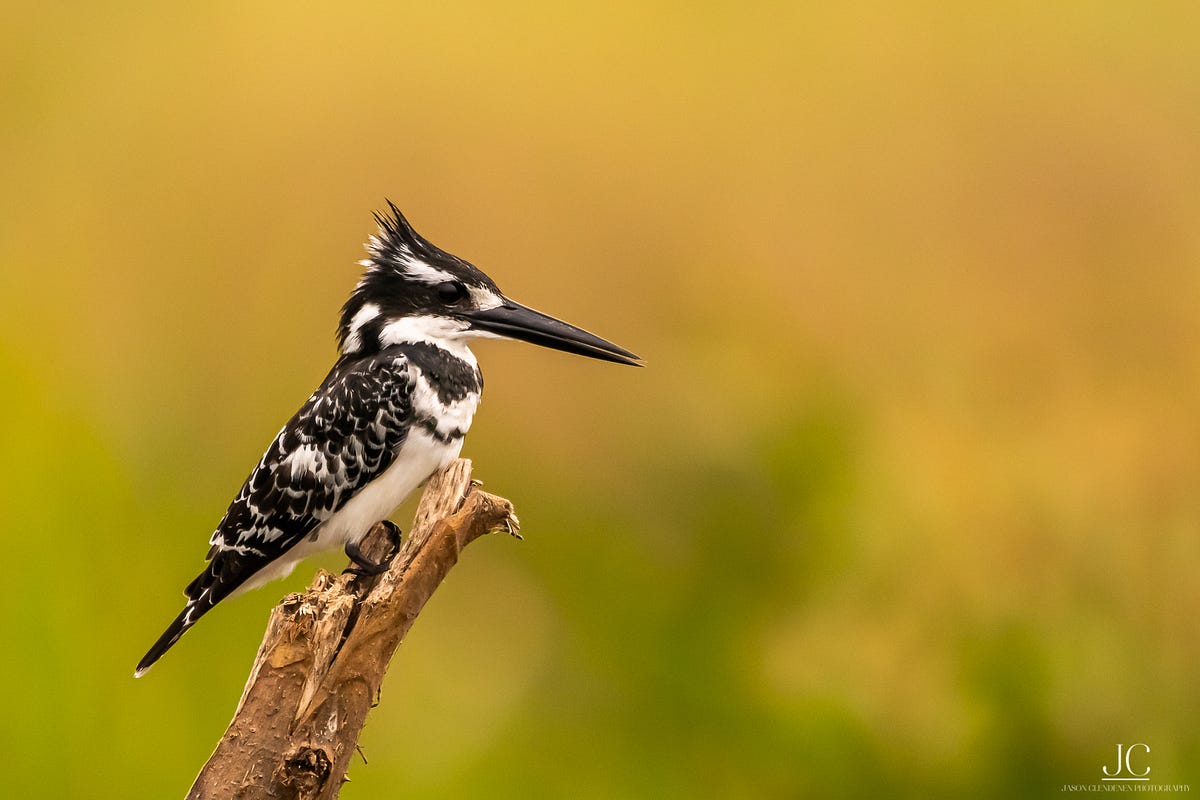
Wildlife photography captures animals in their natural habitat, showcasing their beauty and behavior. Popularized in the late 19th and early 20th centuries, this style gained fame for showcasing the wonders of the natural world.
View StyleExplore Style
Emily Hughes is known for her whimsical and charming illustrations that often feature animals and nature. Her style became famous in the early 2000s for its detailed line work and intricate patterns.
View StyleExplore Style
Emperor Song Huizong is a style of Chinese painting that flourished during the Northern Song dynasty (c.960–1127). Known for its intricate detail, delicate brushwork, and use of mineral pigments, it is characterized by its elegant and refined depictions of nature, particularly birds, flowers, and landscapes.
View StyleExplore Style
Eric Carle is known for his distinctive style of collage illustrations, characterized by bold, vibrant colors and a textured, hand-painted look. His style became famous with the publication of his book 'The Very Hungry Caterpillar' in 1969. Carle's illustrations are highly recognizable and often feature animals and nature, with a focus on simple shapes and patterns.
View StyleExplore Style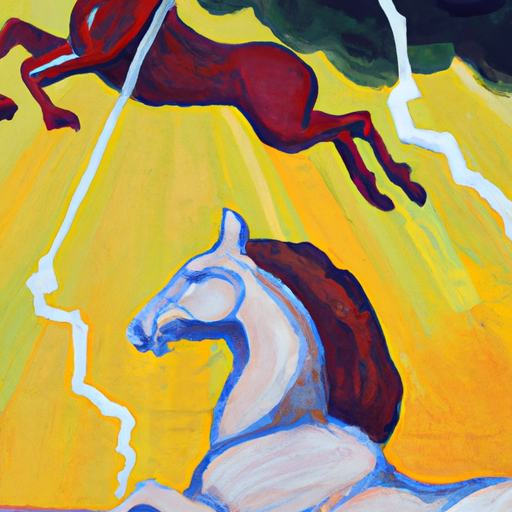
Franz Marc was a German painter and one of the key figures of the Expressionist movement. His visual style, developed in the early 20th century, is characterized by vibrant and bold colors, abstracted forms, and a strong emphasis on the emotional and spiritual qualities of his subject matter. Marc is famous for his paintings of animals, particularly horses, which he used as symbols of purity, spirituality, and the untamed energy of nature. His style reached its peak between 1911 and 1914, but was tragically cut short by his premature death during World War I. Nevertheless, his contributions to Expressionism and his unique visual language continue to influence artists to this day.
View StyleExplore Style
Frederic Church was an American landscape painter associated with the Hudson River School. Known for his detailed and luminous portrayals of nature, his work was popular in the mid-19th century.
View StyleExplore Style
Frederic Edwin Church was an American landscape painter known for his romantic and luminous style. He was active during the mid-19th century and is considered one of the major figures of the Hudson River School, a group of American landscape painters. Church's style was characterized by highly detailed and realistic renderings of nature, with a particular focus on the sublime and grandeur of the American landscape. His paintings often featured dramatic skies, vibrant colors, and a meticulous attention to detail. Church's most famous works include 'The Heart of the Andes' (1859) and 'Twilight in the Wilderness' (1860). He gained fame for his ability to capture the awe-inspiring beauty of nature and his ambitious exploration of various landscapes around the world.
View StyleExplore Style
Ghibli Studio is a renowned Japanese animation studio that became popular in the late 20th century. It was founded in 1985 by Hayao Miyazaki and Isao Takahata. Ghibli Studio is famous for its visually stunning and emotionally captivating animated films. Their movies, such as 'My Neighbor Totoro', 'Princess Mononoke', and 'Spirited Away', have gained worldwide recognition for their creative storytelling, imaginative worlds, and attention to detail. The studio's unique animation style combines hand-drawn and digital techniques to create a distinct and enchanting visual experience. The films often explore themes of nature, identity, and human relationships, captivating audiences of all ages.
View StyleExplore Style
Guo Xi was a Chinese landscape painter known for his monumental landscapes with towering mountains, vast forests, and flowing rivers, reflecting the majestic and awe-inspiring beauty of nature. Active during the Song dynasty (960-1279), Guo Xi's unique perspective and mastery of texture and light made him famous for his realistic depictions of the natural world.
View StyleExplore Style
Hans Arp was a German-French artist and poet known for his abstract and organic visual style. He played a key role in the development of Dadaism and Surrealism. Arp's artistic career spanned from the early 1900s to the 1960s, during which he explored unconventional forms, biomorphic shapes, and the integration of chance in art. His works often showcased a playful and whimsical approach, blurring the distinction between nature and abstraction. Hans Arp's unique style and contributions to the art movement made him a prominent figure in modern art history.
View StyleExplore Style
Hans Gude was a Norwegian romanticist painter known for his stunning landscapes featuring dramatic lighting and detailed depictions of nature. His works became famous in the mid to late 19th century for their romantic and atmospheric qualities.
View StyleExplore Style
Hirofumi Taniguchi is a Japanese artist known for his unique and vibrant visual style. His works emerged in the late 20th century and gained popularity in the 1990s. Taniguchi's style is characterized by bold and colorful compositions, intricate patterns, and a fusion of traditional Japanese art techniques with modern elements. His use of vibrant colors and intricate details captivates viewers and brings a sense of energy to his artwork. Taniguchi's work often explores themes of nature, mythology, and spirituality, creating a vivid and surreal visual experience.
View StyleExplore Style
Hiroshige is a Japanese ukiyo-e artist who became famous for his landscape prints during the Edo period (1603-1868). He is best known for his series 'Fifty-three Stations of the Tōkaidō' and 'One Hundred Famous Views of Edo'. Hiroshige's visual style captures the beauty of nature, seasons, and atmospheric conditions with his use of vibrant colors, delicate lines, and meticulous details. His prints often depict scenes of famous landmarks, serene landscapes, and everyday life. Through his unique compositions and skillful use of perspective, Hiroshige's works have had a profound influence on both Japanese and Western art.
View StyleExplore Style
Hiroshige Utagawa was a renowned ukiyo-e artist in Japan during the 19th century. His style is characterized by vibrant colors, intricate details, and landscapes that captured the beauty of nature and daily life. Hiroshige's work became famous for its realistic portrayals of scenes along the Tokaido road and his series of landscapes, such as 'One Hundred Famous Views of Edo.'
View StyleExplore Style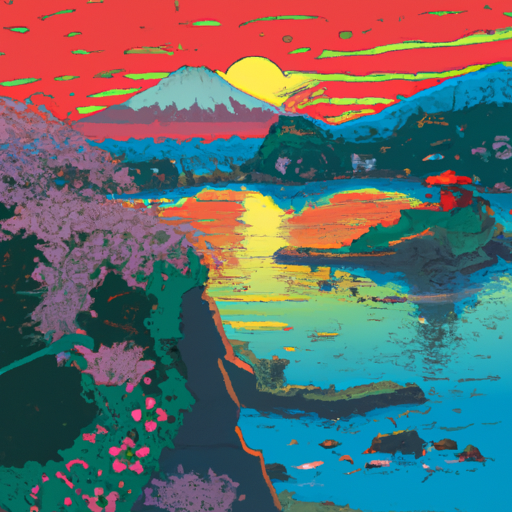
Hokusai is a Japanese visual style that emerged during the Edo period in the early 19th century. It is primarily known for the woodblock prints created by the artist Katsushika Hokusai. With its vivid colors, intricate details, and delicate lines, Hokusai's work portrayed landscapes, nature, and everyday life scenes. One of his most famous works is 'The Great Wave off Kanagawa' from the series 'Thirty-Six Views of Mount Fuji'. This style gained international recognition, influencing both Western and Japanese art.
View StyleExplore Style
Hokusai Katsushika is a Japanese ukiyo-e artist who lived from 1760 to 1849. His unique and influential art style became famous during the Edo period in Japan. Hokusai's most famous work is the series of woodblock prints titled 'Thirty-Six Views of Mount Fuji', which includes the iconic print 'The Great Wave off Kanagawa'. Hokusai's style is characterized by vivid colors, bold lines, and intricate details, capturing the beauty of nature and everyday life in Japan.
View StyleExplore Style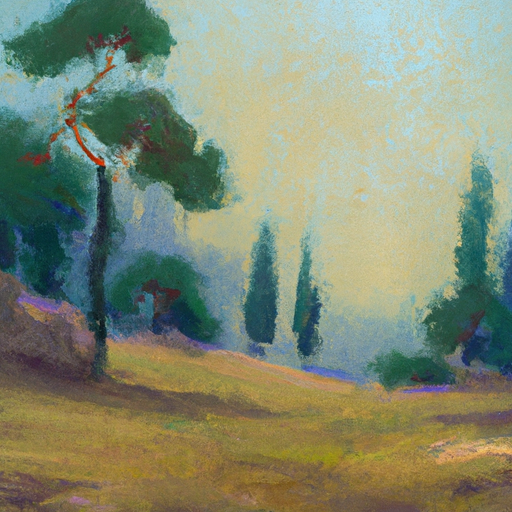
The Hudson River School was a mid-19th-century American art movement named after the Hudson River Valley, where many of the artists found inspiration. This style is known for its breathtaking landscapes, capturing the beauty of the American wilderness. It gained recognition in the 1820s and 1830s and reached its peak in the 1850s. Artists of the Hudson River School sought to depict the grandeur of nature, showcasing vast landscapes, dramatic lighting, and realistic details. Their works often evoked a sense of awe and reverence for the untamed wilderness of America.
View StyleExplore Style
Imogen Cunningham (1883-1976) was an American photographer known for her modernist style and pioneering work in the field of botanical photography. Her photographs, which spanned over seven decades, captured the beauty and essence of various subjects, including portraits, nudes, still lifes, and nature. Cunningham's use of light, composition, and focus created visually striking and intimate images that showcased her unique perspective and artistic vision.
View StyleExplore Style
Irish Romanticism was a movement in Irish art and literature during the late 18th and early 19th centuries. Known for its focus on nature, emotion, and the Irish landscape, it often depicted scenes of rugged beauty and historical events.
View StyleExplore Style
Ivana Seric is a Croatian artist known for her vibrant and playful approach to illustration. Her style is characterized by bold colors, whimsical characters, and intricate patterns, drawing inspiration from folk art and nature. Her work gained popularity in the 2010s for its unique blend of traditional and modern elements.
View StyleExplore Style
The visual style of Jack Johnson is characterized by simple and colorful illustrations, often depicting nature and outdoor activities. Popularized in the early 2000s, Johnson's album covers and merchandise feature his signature laid-back, beachy vibe.
View StyleExplore Style
Jakuchu Ito was a Japanese painter known for his vibrant and detailed depictions of plants, animals, and nature scenes. His work became famous during the Edo period in Japan, showcasing his unique style of intricate brushwork and bold use of color.
View StyleExplore Style
James Jean is a Taiwanese-American visual artist known for his highly detailed and whimsical paintings. He gained popularity in the early 2000s for his work as a cover artist for comic books, particularly for his iconic covers for the hit series 'Fables'. Jean's style is characterized by his masterful use of intricate linework, vibrant colors, and a dreamlike quality. His work often incorporates elements of fantasy, mythology, and nature, and is influenced by Eastern and Western artistic traditions. James Jean's stunning imagery and technical skill have made him one of the most renowned artists of his generation.
View StyleExplore Style
Japanese Aesthetics is a design style characterized by simplicity, minimalism, and harmony with nature. It became famous in the Edo period (1603-1868) through the art of ukiyo-e prints and has since influenced modern design worldwide.
View StyleExplore Style
Japanese Courtly Art refers to the artistic traditions from Japan's Heian period (794-1185) characterized by elegant and refined depictions of courtly life, nature, and poetic themes. Emphasis on detail and use of vibrant colors made this style famous.
View StyleExplore Style
Japanese Cultural Heritage is a style that encompasses various artistic and design elements deeply rooted in the traditions and history of Japan. It encompasses a wide range of mediums including painting, sculpture, architecture, textiles, and ceramics. This style is known for its attention to detail, refined aesthetics, and a deep respect for nature. It is influenced by important artistic periods in Japanese history such as the Heian period (794-1185) and Edo period (1603-1868). The use of traditional materials and techniques, such as ink painting, woodblock printing, and origami, contribute to its distinctiveness and cultural significance.
View StyleExplore Style
Japanese Genre Painting emerged during the Edo period (1603-1868) in Japan, depicting scenes from everyday life, landscapes, and historical events with meticulous detail and vibrant colors. Famous for capturing the beauty of nature and daily activities of Japanese society.
View StyleExplore Style
Japanese painting, also known as Yamato-e, developed in the Heian period (794-1185) and features traditional Japanese themes, techniques, and materials such as ink wash painting and silk panels. It became famous for its depiction of nature, landscapes, and narrative scenes.
View StyleExplore Style
Japanese photography is known for its minimalist and poetic approach, often emphasizing simplicity, harmony, and nature. It gained popularity in the mid-20th century with artists like Daido Moriyama and Nobuyoshi Araki.
View StyleExplore StyleJapanese Textile Design is characterized by intricate patterns, vibrant colors, and traditional motifs influenced by nature and Japanese culture. This style became famous during the Edo period (1603-1868) and continues to be renowned for its craftsmanship and attention to detail.
View StyleExplore Style
Japanese Traditional Painting, dating back to the 7th century, is characterized by meticulous attention to detail, harmony, and nature. Influenced by Chinese ink painting, it became famous for its use of bold, clean lines and vibrant colors.
View StyleExplore Style