StylopediaStylopedia

Naturalistic styles on Stylopedia

A visual encyclopedia of naturalistic styles – use as prompt inspiration for Midjourney, Gemini, or ChatGPT AI when making naturalistic images

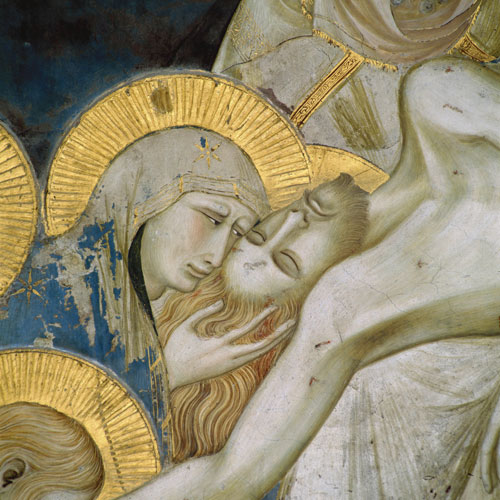
Example of visual style of Andrea Del Verrocchio

Andrea Del Verrocchio

Andrea Del Verrocchio was an Italian sculptor and painter who lived during the Renaissance. His visual style was characterized by the revival of classical forms and a naturalistic approach. Active between the late 15th and early 16th century, Verrocchio's art was known for its meticulous attention to detail, exquisite craftsmanship, and a sense of dynamic movement. He was famous for his ability to depict human emotions and his revolutionary use of perspective. Verrocchio's works, such as his bronze statue of David and his painting The Baptism of Christ, are considered masterpieces of the Renaissance period.

View StyleExplore Style
Example of visual style of Annibale Carracci

Annibale Carracci

Annibale Carracci was an Italian painter of the late 16th and early 17th centuries. He is widely recognized as one of the founders of the Baroque style of painting. Carracci's work is characterized by a naturalistic and classical approach, blending elements of Renaissance art with a new emphasis on dramatic effects and emotional expression. His famous works include 'The Assumption of the Virgin' (1600-1601) and 'The Flight into Egypt' (1603-1604). Carracci's innovative use of light and color, along with his skillful composition and attention to detail, made him a prominent figure in the development of the Baroque movement.

View StyleExplore Style
Example of visual style of Bambi

Bambi

Bambi is a visual style known for its delicate and naturalistic hand-drawn animation. It gained popularity in the 1940s and 1950s through the classic Disney animated film 'Bambi', directed by David Hand. This style is characterized by vibrant and detailed backgrounds, expressive and lifelike character designs, and a strong focus on nature and wildlife. The use of contrasting colors, soft lines, and realistic movements made this style famous for capturing the beauty and grace of the natural world in animation.

View StyleExplore Style
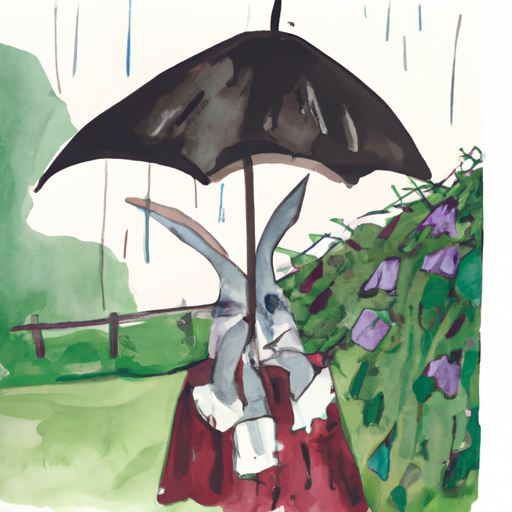
Example of visual style of Beatrix Potter

Beatrix Potter

Beatrix Potter is known for her charming and whimsical illustrations of animals, particularly in her children's books. This visual style became famous in the late 19th and early 20th centuries and is characterized by detailed and realistic depictions of animals in anthropomorphic settings. Potter's illustrations gained popularity through her iconic series of books, such as 'The Tale of Peter Rabbit.' Her delicate watercolor technique and attention to naturalistic details made her work stand out and captivated readers of all ages.

View StyleExplore Style
Example of visual style of Claude Chabrol

Claude Chabrol

Claude Chabrol's visual style is characterized by its naturalistic and observational approach to storytelling. He is often associated with the French New Wave movement of the late 1950s and 1960s. Chabrol gained recognition for his intense psychological dramas and his ability to depict the complexities of human relationships. His films often revolve around themes of betrayal, class conflict, and the dark underbelly of bourgeoisie society. Chabrol's work is known for its atmospheric visuals, intricate plots, and meticulous attention to detail.

View StyleExplore Style
Example of visual style of Early Netherlandish Painting

Early Netherlandish Painting

Early Netherlandish Painting refers to the art movement that emerged in the Low Countries (current-day Netherlands and Belgium) during the 15th and 16th centuries. Characterized by meticulous attention to detail, rich colors, and naturalistic representation, this style revolutionized painting techniques of the time. It gained fame for its innovative use of oil paint, which allowed for greater depth and luminosity in the artworks. The artists of this period often depicted religious subjects, landscapes, and portraits, portraying them with a high level of realism.

View StyleExplore Style
Example of visual style of François Truffaut

François Truffaut

The visual style of François Truffaut is characterized by naturalistic and documentary-like filmmaking techniques. Truffaut was a prominent figure of the French New Wave movement in cinema during the late 1950s and 1960s. His style became famous for its improvisational nature, handheld camera work, jump cuts, and an emphasis on realistic and personal storytelling. Truffaut's films are often associated with a sense of romanticism and a focus on the complexities of human relationships. He is known for his exploration of themes such as love, desire, childhood, and the fragility of identity. Truffaut's visual style influenced a generation of filmmakers and continues to be revered for its intimate and honest portrayal of life.

View StyleExplore Style
Example of visual style of French Painters

French Painters

French Painters is a visual style that emerged in the 19th century and gained prominence in the early 20th century. This style is characterized by its emphasis on naturalistic representation, vibrant colors, and a focus on capturing the play of light and shadow. French Painters are known for their innovative techniques and exploration of various subject matters, including landscapes, portraits, still life, and historical scenes. This style became famous through the works of renowned artists such as Claude Monet, Pierre-Auguste Renoir, and Paul Cézanne.

View StyleExplore Style
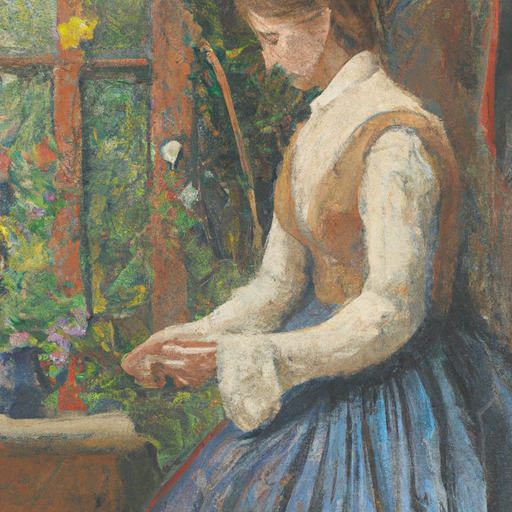
Example of visual style of Giotto

Giotto

Giotto is an Italian visual style that emerged in the 14th century. It is famous for its naturalistic and emotionally expressive representations of human figures, which broke away from the flat and stylized conventions of the Byzantine art that preceded it. Giotto's innovative use of light, shadow, and perspective brought a sense of three-dimensionality and depth to his paintings. This marked a significant shift in art history and laid the foundation for the Renaissance period.

View StyleExplore Style
Example of visual style of Greek Art

Greek Art

Greek Art refers to the visual arts and architecture produced in Ancient Greece from the 9th century BCE to the 1st century AD. This style is famous for its emphasis on naturalistic representation, idealized human figures, and symmetrical compositions. The period between the 5th and 4th centuries BCE, known as the Classical period, is particularly renowned for its contributions to Greek Art. The art of this period showcased balance, harmony, and a sense of ideal beauty. It influenced much of Western art and continues to be admired for its timeless aesthetics.

View StyleExplore Style
Example of visual style of Gus Van Sant

Gus Van Sant

Gus Van Sant's visual style is characterized by his naturalistic approach, focusing on capturing intimate and raw emotions of his characters. His style became famous in the 1990s with films like 'Drugstore Cowboy' (1989), 'My Own Private Idaho' (1991), and 'Good Will Hunting' (1997), which explored themes of alienation, identity, and human connection. Van Sant's use of long takes, handheld camera work, and his ability to create a sense of authenticity through improvisation and non-professional actors, became his distinct hallmark.

View StyleExplore Style
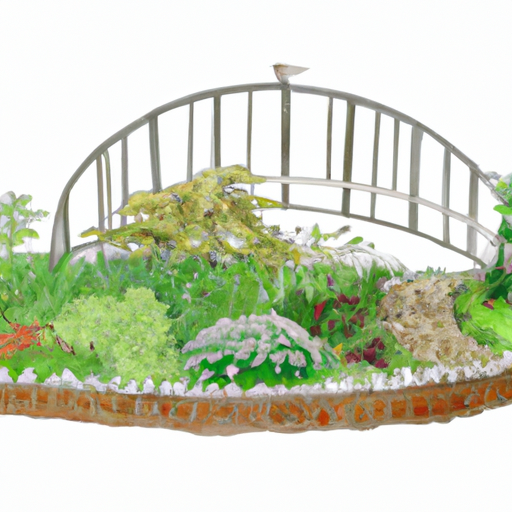
Example of visual style of Lars Von Trier

Lars Von Trier

Lars Von Trier is a Danish film director known for his provocative and controversial visual style. He gained international fame in the late 20th century through his works such as 'Breaking the Waves' (1996), 'Dancer in the Dark' (2000), and 'Antichrist' (2009). Von Trier's visual style is characterized by its raw and gritty aesthetic, often employing handheld camera work, dark lighting, and naturalistic settings. His films often explore melancholy and despair, pushing the boundaries of traditional storytelling and challenging the viewer's perceptions. Von Trier's ability to evoke intense emotions and create unforgettable, visually striking images has made his work highly influential in the world of cinema.

View StyleExplore Style
Example of visual style of Maruyama Okyo

Maruyama Okyo

Maruyama Okyo was a prominent Japanese painter of the late 18th century. He is best known for founding the Maruyama-Shijo school, which made significant contributions to the development of nanga (literati painting) and ukiyo-e (woodblock prints) in Japan. Okyo's style combined traditional Japanese painting techniques with influences from Western realism, resulting in a unique and innovative approach to art. His works often depicted naturalistic subjects such as birds, animals, and landscapes, characterized by meticulous attention to detail and a sense of dynamism. Maruyama Okyo bridged the gap between traditional Japanese art and modern techniques, setting a new standard for Japanese painting.

View StyleExplore Style
Example of visual style of Maruyama Shijo School Of Painting

Maruyama Shijo School Of Painting

The Maruyama Shijo School of Painting, developed in the late 18th century in Japan, gained prominence during the Edo period. It was founded by Maruyama Okyo and flourished under his disciples. This style is famous for its naturalistic depictions of subjects, which included landscapes, birds, flowers, and animals. Maruyama Shijo School introduced the idea of capturing a subject's essence rather than merely imitating their appearance, resulting in a more expressive and emotive representation of nature. It influenced later Japanese artists and had a lasting impact on the development of modern Japanese painting.

View StyleExplore Style
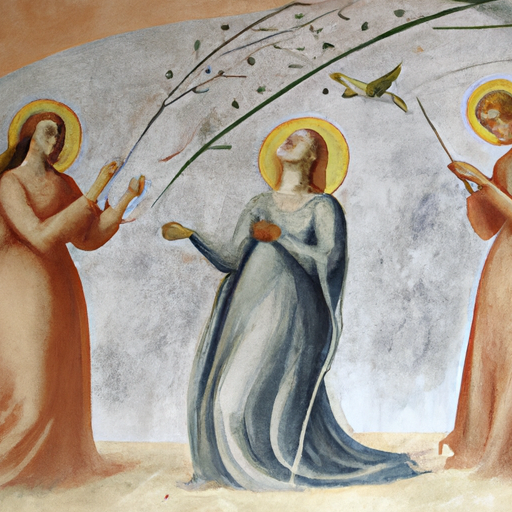
Example of visual style of Richard Linklater

Richard Linklater

Richard Linklater's visual style is characterized by its naturalistic, conversational and often improvisational quality. His films are known for capturing the idiosyncrasies of everyday life and exploring the passage of time. Linklater rose to fame in the 1990s with the release of his film 'Slacker' (1991), which pioneered a narrative style that seamlessly weaved together multiple characters and storylines. This style became a hallmark of his work, as seen in 'Dazed and Confused' (1993) and the 'Before' trilogy (1995-2013). Linklater gained further recognition for the use of rotoscoping animation in 'Waking Life' (2001) and 'A Scanner Darkly' (2006).

View StyleExplore Style
Home