StylopediaStylopedia

Naturalism styles on Stylopedia

A visual encyclopedia of naturalism styles – use as prompt inspiration for Midjourney, Gemini, or ChatGPT AI when making naturalism images

Example of visual style of Caravaggio

Caravaggio

Caravaggio is an Italian Baroque art style that emerged in the late 16th and early 17th centuries. It is characterized by its dramatic use of light and shadow, known as chiaroscuro, which creates a strong contrast between illuminated subjects and dark backgrounds. Caravaggio's revolutionary approach to painting, with its emphasis on naturalism and his ability to capture the emotional intensity of his subjects, made him one of the most influential artists of his time.

View StyleExplore Style
Example of visual style of Classical Greek Art

Classical Greek Art

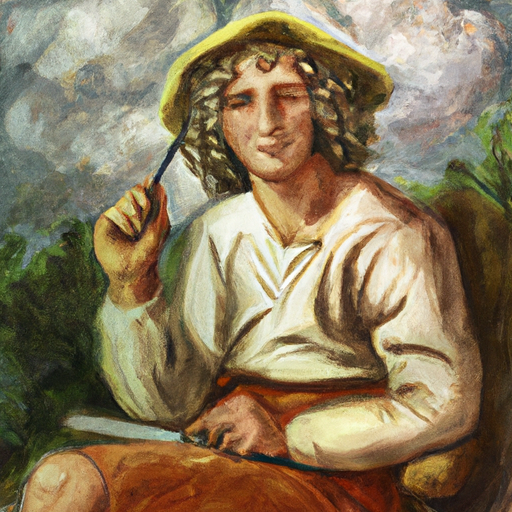
Classical Greek Art refers to the artistic style of ancient Greece, from approximately the 5th century BC to the 4th century BC. It is known for its emphasis on naturalism, idealism, and balance. This style became famous for its portrayal of human forms, capturing the beauty of the human body and creating sculptures and paintings that demonstrated a deep understanding of anatomy. Classical Greek Art was highly influential in Western art history and set the foundation for later periods such as the Renaissance.

View StyleExplore Style
Example of visual style of Donatello

Donatello

Donatello is a visual style that emerged during the Italian Renaissance in the 15th century. This style is named after the renowned Italian sculptor Donatello, who was one of the leading artists of the period. Donatello's innovative techniques and exceptional attention to detail made his works famous and influential. His sculptures displayed a remarkable sense of realism and a deep understanding of anatomy. Donatello's works were characterized by their grace, naturalism, and emotive expressions, which set a new standard for artistic representation during the Renaissance.

View StyleExplore Style
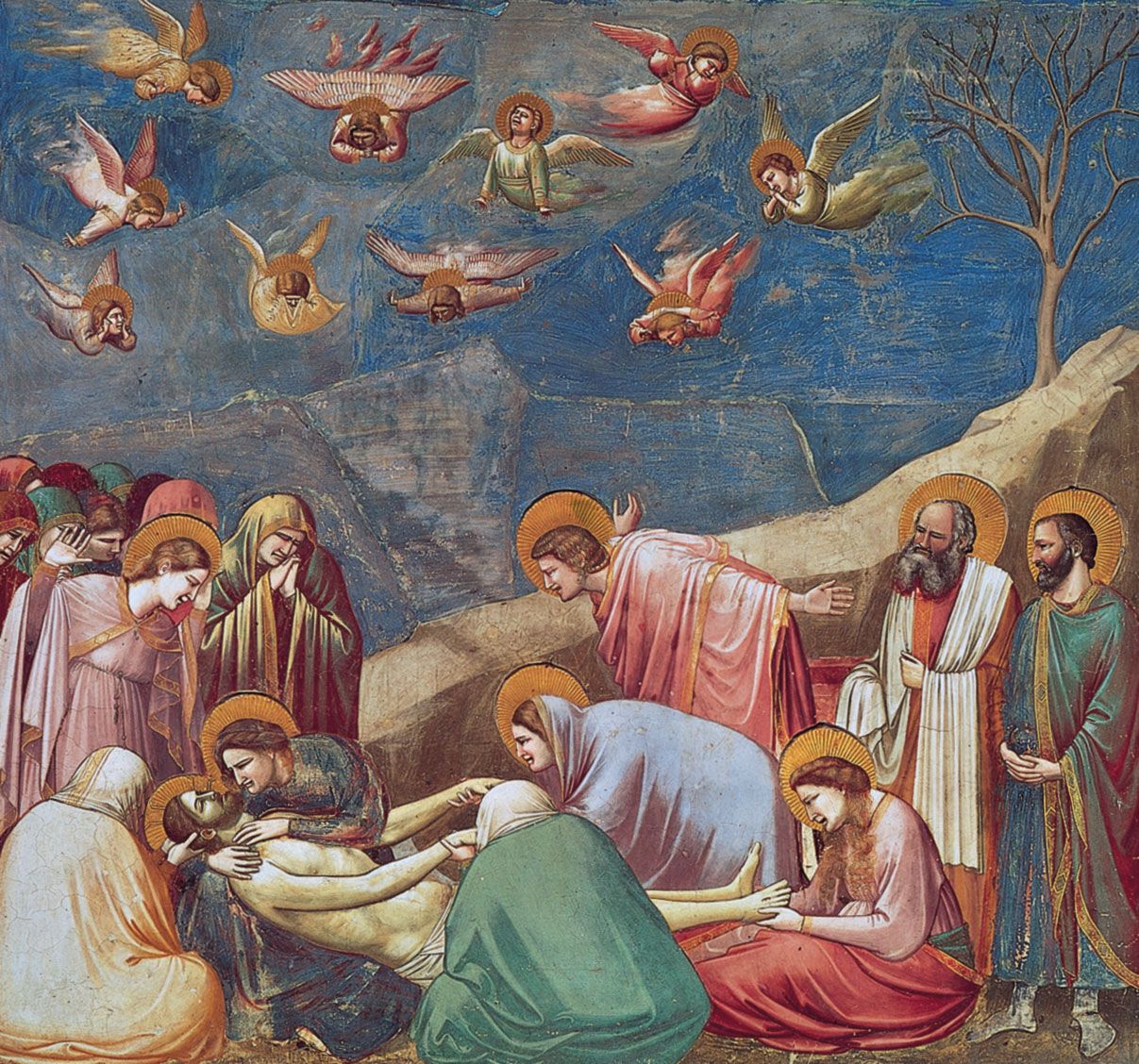
Example of visual style of Giotto Di Bondone

Giotto Di Bondone

Giotto Di Bondone was an Italian painter during the late Middle Ages. He is considered one of the pioneers of the Renaissance art movement. Giotto's style marked a significant departure from the flatness and stylization of Byzantine art that dominated the period. He introduced a more naturalistic approach and three-dimensional space in his paintings, which had a profound influence on subsequent artists. Giotto's frescoes in the Scrovegni Chapel in Padua, completed around 1305, brought him great recognition and are renowned for their emotional depth and realism.

View StyleExplore Style
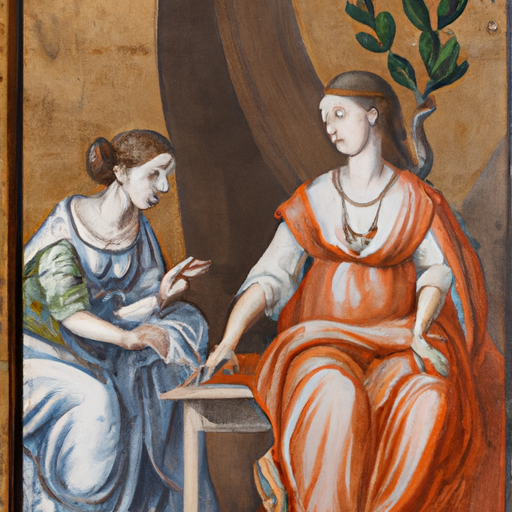
Example of visual style of Jean Baptiste Simeon Chardin

Jean Baptiste Simeon Chardin

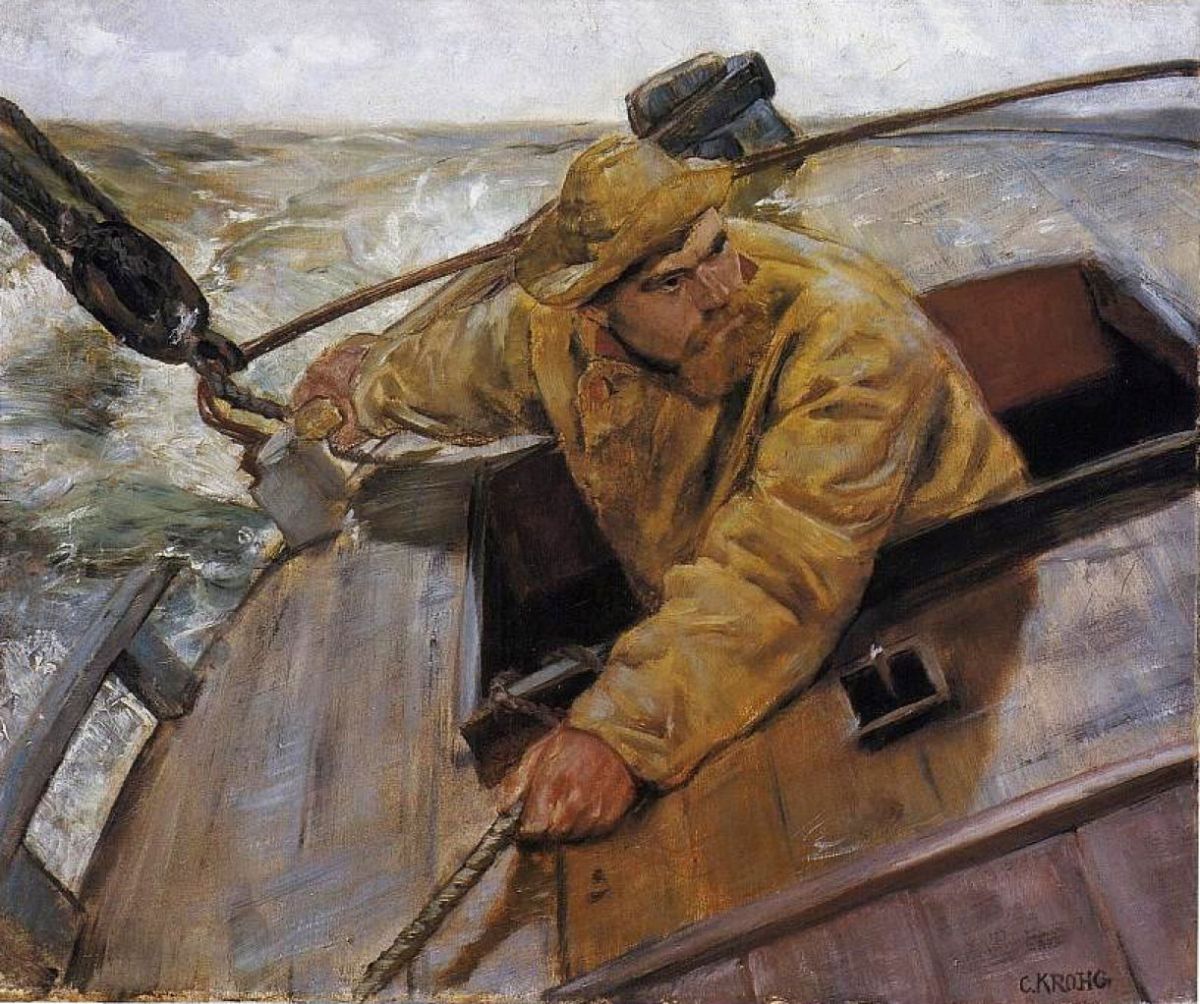
Jean Baptiste Simeon Chardin was a French painter known for his domestic still lifes and genre scenes. Active during the 18th century, Chardin's style was characterized by his remarkable attention to detail and the naturalism in his depiction of everyday objects. He gained renown for his ability to capture the luminosity and texture of different materials, particularly in his still life paintings of fruit, kitchen utensils, and household items. Chardin's works became famous for their subtle color palette, delicate brushwork, and the sense of quiet contemplation they evoked. His exceptional craftsmanship and ability to elevate seemingly ordinary subjects made him one of the most celebrated still life painters of his time.

View StyleExplore Style
Example of visual style of Liv Ullmann

Liv Ullmann

Liv Ullmann is not a visual style but a Norwegian actress and film director. Born in 1938, Ullmann became famous for her collaborations with legendary filmmaker Ingmar Bergman. Her acting style is characterized by emotional intensity, naturalism, and a deep exploration of human emotions, which resonated with audiences around the world. Ullmann's performances in films like 'Persona' (1966), 'Cries and Whispers' (1972), and 'Scenes from a Marriage' (1973) are particularly acclaimed and exemplify her versatile and captivating presence on screen.

View StyleExplore Style
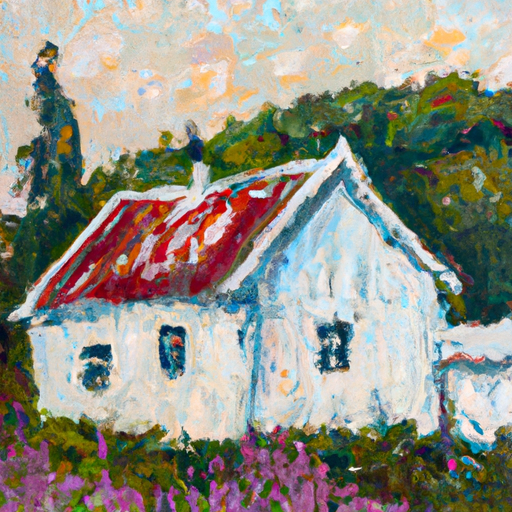
Example of visual style of Maruyama Kyo

Maruyama Kyo

Maruyama Kyo was a Japanese painter who lived from 1733 to 1795. He was a prominent figure in the Maruyama-Shijo school of painting during the late Edo period. Maruyama Kyo is known for his realistic and naturalistic style, which was a departure from the traditional formalism of the Kanō school. His art often depicted everyday scenes and ordinary people, capturing their expressions and emotions with great sensitivity. Maruyama Kyo's style became famous for its attention to detail and the ability to portray lifelike figures in a manner that was relatable to the viewers. His work had a significant influence on the development of modern Japanese painting.

View StyleExplore Style
Example of visual style of Masaccio

Masaccio

Masaccio was an Italian Renaissance painter known for his realistic depiction of figures, his use of perspective, and his focus on naturalism and emotional expression. Active in the early 15th century, Masaccio's works revolutionized the art world with his innovative use of perspective and his emphasis on human anatomy, light, and shadow. His famous frescoes in the Brancacci Chapel, such as 'The Expulsion from the Garden of Eden' and 'The Tribute Money', showcased his mastery in creating three-dimensional space and his ability to convey dramatic narratives.

View StyleExplore Style
Example of visual style of Northern Renaissance Art

Northern Renaissance Art

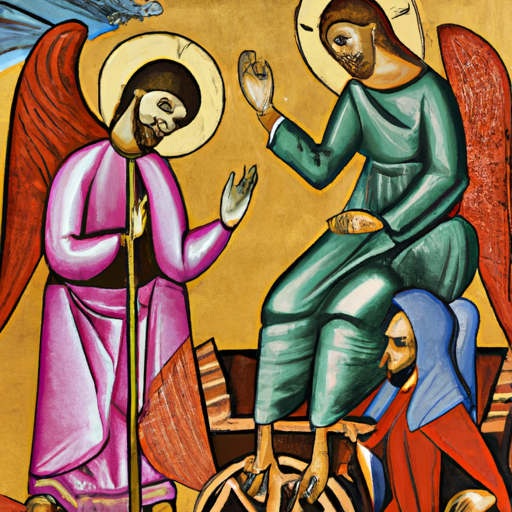
Northern Renaissance Art refers to the artistic style that emerged in Northern Europe in the 15th and 16th centuries. It was famous for its attention to detail, naturalistic representation, and use of symbolism. This style gained prominence during the Renaissance period, with key years being between 1400 and 1600. The art produced during this time was characterized by its emphasis on religious subjects, intricate techniques, and the use of oil painting. The Northern Renaissance artists, such as Jan van Eyck, Hieronymus Bosch, and Albrecht Dürer, contributed to the fame of this style.

View StyleExplore Style
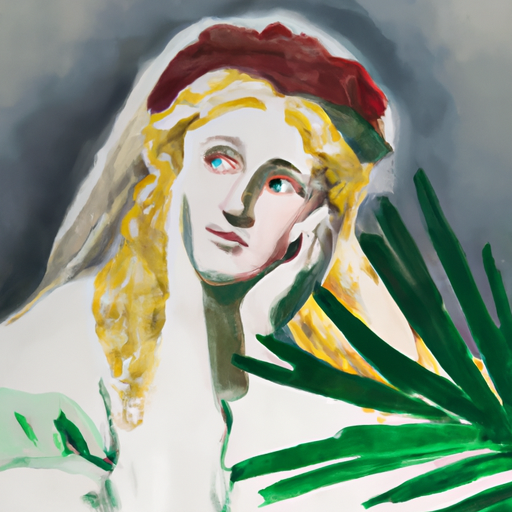
Example of visual style of Raphael

Raphael

Raphael is an Italian Renaissance visual style that emerged in the early 16th century. It is named after the renowned Italian painter and architect, Raffaello Sanzio da Urbino, commonly known as Raphael. This style was particularly famous during the High Renaissance period (1500-1520) in Italy. Raphael's style was characterized by its harmonious compositions, idealized figures, and naturalistic representations. His use of perspective, classical influences, and attention to detail brought a sense of balance, beauty, and grace to his paintings, which made him one of the most celebrated artists of his time.

View StyleExplore Style
Example of visual style of Satyajit Ray

Satyajit Ray

Satyajit Ray's visual style is known for its naturalism and realism. His films, particularly from the 1950s to 1970s, captured the essence of everyday life in India. Ray's use of long takes, natural lighting, and minimalist production design created an authentic and immersive experience for viewers. His films are characterized by their empathetic exploration of human emotions and social issues. Ray's portrayal of complex characters and attention to detail made his visual style famous, influencing several subsequent Indian filmmakers.

View StyleExplore Style
Home