
StylopediaStylopedia

Natural motifs styles on Stylopedia

A visual encyclopedia of natural motifs styles – use as prompt inspiration for Midjourney, Gemini, or ChatGPT AI when making natural motifs images

Example of visual style of Aesthetic Movement

Aesthetic Movement

The Aesthetic Movement was an art and design movement that emerged in the late 19th century, particularly in Britain and the United States, and reached its peak between 1868 and 1890. It was a reaction against the industrialization and mass production of the Victorian era, emphasizing the importance of beauty and art for art's sake. The movement aimed to create a visual style that focused on simplicity, harmony, and decorative arts. It became famous for its use of natural motifs, Japanese influence, and the integration of different art forms like painting, sculpture, and interior design.

View StyleExplore Style
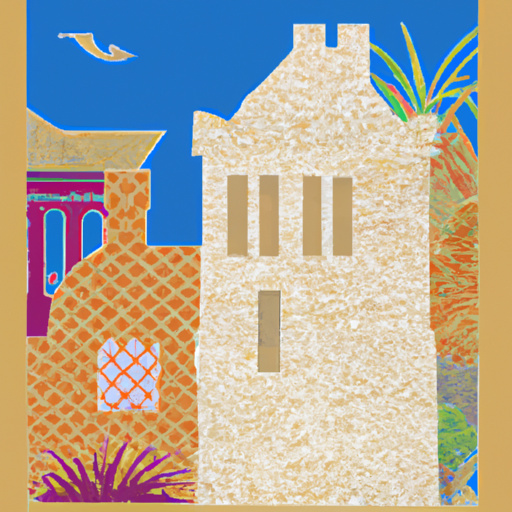
Example of visual style of Charles Rennie Mackintosh

Charles Rennie Mackintosh

Charles Rennie Mackintosh was a Scottish architect, artist, and designer who was active in the late 19th and early 20th centuries. He is well-known for his unique and influential style that combined elements of Art Nouveau and Japanese design with Scottish architecture. Mackintosh's style became famous for its emphasis on simplicity, geometric forms, and incorporation of natural motifs. His works, which included buildings, furniture, and decorative objects, were highly innovative and often featured clean lines, floral patterns, and the use of materials such as glass and iron. Mackintosh's designs had a lasting impact and helped shape the development of modern architecture and design.

View StyleExplore Style
Example of visual style of Fujiwara No Michinaga

Fujiwara No Michinaga

The Fujiwara No Michinaga style was prominent in Japan during the Heian period (11th century). Named after the influential Japanese statesman and regent Fujiwara no Michinaga, this visual style is characterized by its elegant and refined aesthetic. It is known for its emphasis on simplicity, asymmetry, and subtlety. The style gained recognition for its use of intricate patterns, delicate colors, and a combination of natural motifs and geometric shapes. Fujiwara No Michinaga helped establish this style by patronizing various artists and craftsmen, leading to its popularity and influence in the art and design of the time.

View StyleExplore Style
Example of visual style of Kako Ueda

Kako Ueda

Kako Ueda is a Japanese contemporary artist known for her intricate paper cut artworks. She gained popularity in the early 2000s for her unique approach to paper cutting that incorporates elements of traditional Japanese art and folklore. Her works are characterized by delicate and intricate details, often depicting natural motifs and mythological creatures. Ueda's paper cut artworks have been exhibited internationally and have been the subject of numerous solo and group exhibitions.

View StyleExplore Style
Example of visual style of Modernisme

Modernisme

Modernisme is an artistic and architectural style that emerged in the late 19th and early 20th centuries. It reached its peak of popularity between 1888 and 1911 in Catalonia, Spain. Modernisme is famous for its use of organic and sinuous forms, intricate ornamentation, and incorporation of natural motifs, such as flowers and vines. It was inspired by the unique combination of Catalan nationalism, an interest in medieval art and architecture, and the influence of European Art Nouveau. Modernisme is characterized by its emphasis on craftsmanship and the integration of various artistic disciplines, including architecture, sculpture, painting, and decorative arts.

View StyleExplore Style
Example of visual style of Morris

Morris

Morris is a visual style that emerged in the late 19th century and was named after its founder, William Morris. It is known for its romantic, medieval-inspired designs that celebrate nature and craftsmanship. Morris style gained popularity during the Arts and Crafts movement, which advocated for the importance of handmade, well-crafted objects amidst the rise of industrialization. The style became famous for its intricate patterns, rich colors, and use of natural motifs such as flowers, birds, and animals.

View StyleExplore Style
Home