StylopediaStylopedia

Natural lighting styles on Stylopedia

A visual encyclopedia of natural lighting styles – use as prompt inspiration for Midjourney, Gemini, or ChatGPT AI when making natural lighting images

Example of visual style of Agnes Varda

Agnes Varda

Agnes Varda's visual style is characterized by her documentary-like filmmaking, blending fiction and reality with a personal touch. Spanning from the 1950s until her death in 2019, Varda's style became famous for its humanistic approach and technical innovation, notably in the French New Wave movement. Varda's use of handheld cameras, natural lighting, and naturalistic performances added a sense of authenticity to her films, capturing the everyday lives and experiences of ordinary people.

View StyleExplore Style
Example of visual style of Andrea Arnold

Andrea Arnold

Andrea Arnold's visual style can be described as raw, gritty, and immersive. She is known for her realistic portrayals of working-class life, often focusing on characters on the fringes of society. Her handheld camera work and use of natural lighting give her films a documentary-like feel. Arnold rose to prominence in the 2000s with her short films and her debut feature, Red Road, which won the Jury Prize at the Cannes Film Festival in 2006. Her subsequent films Fish Tank (2009) and American Honey (2016) further solidified her reputation as a filmmaker with a distinct visual style.

View StyleExplore Style
Example of visual style of Barry Lyndon

Barry Lyndon

Barry Lyndon is a visual style showcased in the 1975 film directed by Stanley Kubrick. The style is characterized by its meticulously composed and lit scenes, reminiscent of 18th-century paintings. Kubrick used natural lighting and candles to create a painterly aesthetic, emulating the works of artists like Thomas Gainsborough and Jean-Baptiste-Siméon Chardin. The film's attention to detail and historical accuracy, along with its narrative of a young Irish rogue's rise and fall, contributed to its fame.

View StyleExplore Style
Example of visual style of Emmanuel Lubezki

Emmanuel Lubezki

Emmanuel Lubezki is a Mexican cinematographer known for his signature visual style marked by long, intricate, and fluid camera movements. Lubezki rose to fame in the late 1990s with his groundbreaking work in films like 'Sleepy Hollow' (1999) and 'The New World' (2005), where he employed natural lighting and dynamic camera movements to create a sense of realism and immersion. Lubezki gained widespread recognition for his collaboration with director Alfonso Cuarón, particularly in films such as 'Children of Men' (2006) and 'Gravity' (2013), where his innovative use of long takes and seamless tracking shots became synonymous with his name.

View StyleExplore Style

Example of visual style of Fish Tank

Fish Tank

Fish Tank is a visual style that emerged in the late 2000s. It gained popularity with the release of the critically acclaimed film of the same name in 2009. This style is characterized by its gritty, realistic depiction of working-class life and its focus on characters facing social and personal struggles. Fish Tank style is known for its handheld camera work, natural lighting, and use of naturalistic colors. It often explores themes of adolescence, femininity, and social inequality.

View StyleExplore Style
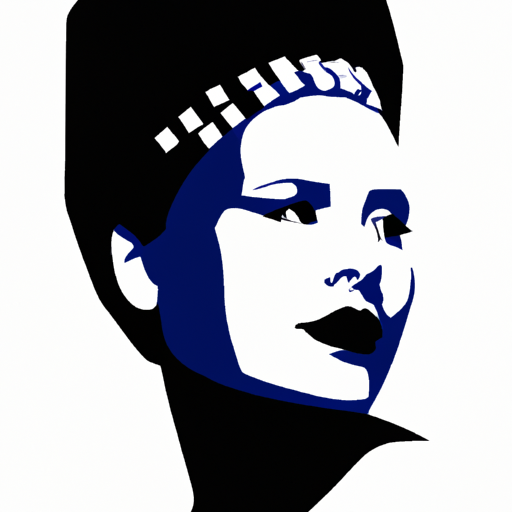
Example of visual style of Gillo Pontecorvo

Gillo Pontecorvo

The visual style of Gillo Pontecorvo is characterized by documentary realism, gritty cinematography, and a focus on political and social issues. Pontecorvo became famous with his groundbreaking 1966 film 'The Battle of Algiers', which depicted the Algerian War of Independence with a raw and visceral visual style. His visual style often includes hand-held camera work, natural lighting, and a mix of scripted scenes and documentary footage. Pontecorvo's style is known for its attention to detail and its ability to immerse the viewer in the political and social contexts of his films.

View StyleExplore Style
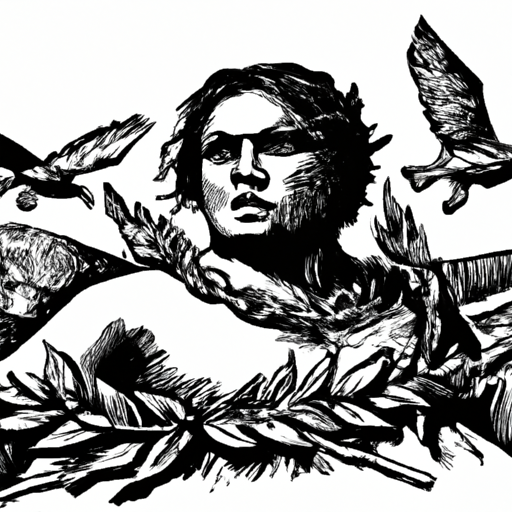
Example of visual style of Roberto Rossellini

Roberto Rossellini

Roberto Rossellini was an Italian filmmaker whose visual style is characterized by a documentary-like approach and neorealist aesthetics. His style became famous in the years following World War II when he directed films such as 'Rome, Open City' (1945), 'Paisan' (1946), and 'Germany, Year Zero' (1948). Rossellini's style aimed to depict reality with a raw and unfiltered lens, often using non-professional actors and real locations to create a sense of authenticity. His films explored social and political issues, emphasizing the experiences of ordinary people. Rossellini's style is known for its realism, natural lighting, handheld camera work, and intimate and personal storytelling.

View StyleExplore Style
Example of visual style of Roger Deakins

Roger Deakins

Roger Deakins is a renowned cinematographer known for his visually stunning and masterfully crafted shots. His style is characterized by its attention to detail, use of natural lighting, and rich color palettes. Deakins is famous for his work on various films, including Blade Runner 2049 (2017), Skyfall (2012), and No Country for Old Men (2007). He gained recognition for his ability to create immersive and atmospheric visuals that enhance the storytelling of the films he works on.

View StyleExplore Style
Example of visual style of Satyajit Ray

Satyajit Ray

Satyajit Ray's visual style is known for its naturalism and realism. His films, particularly from the 1950s to 1970s, captured the essence of everyday life in India. Ray's use of long takes, natural lighting, and minimalist production design created an authentic and immersive experience for viewers. His films are characterized by their empathetic exploration of human emotions and social issues. Ray's portrayal of complex characters and attention to detail made his visual style famous, influencing several subsequent Indian filmmakers.

View StyleExplore Style
Example of visual style of Sergio Leone

Sergio Leone

Sergio Leone was an Italian film director known for his visually stunning and influential style primarily in Western films during the 1960s and 1970s. He rose to fame with his 'Spaghetti Western' trilogy, which included films like 'A Fistful of Dollars' (1964), 'For a Few Dollars More' (1965), and 'The Good, the Bad and the Ugly' (1966). Leone's style was characterized by his use of wide-angle shots, extreme close-ups, and long, tense build-ups of suspense. He often showcased intricate details and expressions, capturing the tension and drama through his unique cinematography and editing techniques. By combining intense close-ups with vast landscapes, Leone effectively created an atmosphere of loneliness and desolation, further enhanced by his use of natural lighting and expertly chosen locations. His visual style revolutionized the Western genre and influenced countless filmmakers, making him one of the most iconic directors in the history of cinema.

View StyleExplore Style
Home