StylopediaStylopedia

Natural elements styles on Stylopedia

A visual encyclopedia of natural elements styles – use as prompt inspiration for Midjourney, Gemini, or ChatGPT AI when making natural elements images

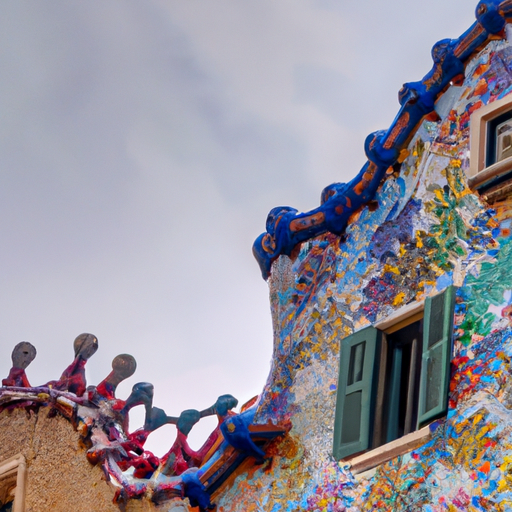
Example of visual style of Antonio Gaudi

Antonio Gaudi

Antonio Gaudi is known for his unique and innovative architectural style that emerged in the late 19th and early 20th centuries. His most famous works, such as the Sagrada Familia and Park Güell in Barcelona, showcase his distinctive use of organic shapes, intricate detailing, and incorporation of natural elements. Gaudi's style is characterized by its fluidity, mosaic-like ornamentation, and incorporation of religious symbolism. His work remains famous for its visionary approach to architecture, which challenged traditional concepts and pushed the boundaries of design.

View StyleExplore Style
Example of visual style of Josep Maria Jujol

Josep Maria Jujol

Josep Maria Jujol was a Catalan architect and designer known for his unique and unconventional architectural style. He was active during the late 19th and early 20th centuries, particularly between 1906 and 1930. Jujol's distinctive style was characterized by the use of organic shapes, vibrant colors, intricate ornamentation, and the incorporation of natural elements. His works often featured curved lines, asymmetrical compositions, and a playfulness that defied the traditional norms of architecture. Jujol's close collaboration with Antoni Gaudí, another famous Catalan architect, brought him recognition and made his style influential in the modernist movement.

View StyleExplore Style
Example of visual style of Rinpa

Rinpa

Rinpa is a Japanese visual style that flourished in the late 16th century and 17th century. It gained popularity during the Edo period and is known for its elegant and decorative motifs. Rinpa is characterized by its use of vibrant colors, flowing brushstrokes, and luxurious gold and silver leaf accents. This style became famous for its incorporation of natural elements such as flowers, birds, and landscapes, as well as its emphasis on asymmetry and dynamic compositions.

View StyleExplore Style
Home