StylopediaStylopedia

Mythology styles on Stylopedia

A visual encyclopedia of mythology styles – use as prompt inspiration for Midjourney, Gemini, or ChatGPT AI when making mythology images

Example of visual style of Bertel Thorvaldsen

Bertel Thorvaldsen

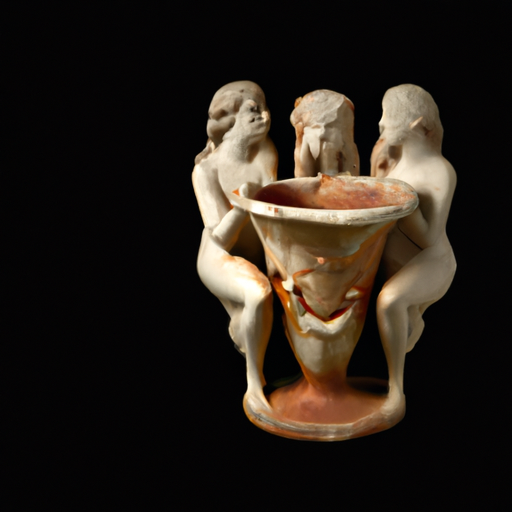
Bertel Thorvaldsen was a Danish sculptor who achieved great fame in the early 19th century. His visual style is characterized by neoclassical aesthetics with a focus on idealized forms and classical themes. He gained recognition for his ability to capture the beauty and grace of the human figure, drawing inspiration from ancient Greek and Roman art. His works often portrayed mythological figures, historical figures, and religious subjects. Thorvaldsen's sculptures are known for their meticulous attention to detail, harmonious proportions, and elegant compositions.

View StyleExplore Style
Example of visual style of Botticelli

Botticelli

Botticelli is a visual style associated with the Italian Renaissance painter Sandro Botticelli. It flourished during the 15th century in Florence, Italy. Botticelli's art is characterized by delicate and graceful figures, ethereal beauty, flowing drapery, and idealized landscapes. His most famous works, such as 'The Birth of Venus' and 'Primavera,' showcase his meticulous attention to detail and vibrant use of colors, capturing the essence of Renaissance humanism and mythology.

View StyleExplore Style
Example of visual style of Creature Performances

Creature Performances

Creature Performances is a visual style that emerged in the late 20th century and is characterized by the use of live actors or performers dressed as fantastical creatures or creatures from mythology. This style became famous in the 1980s and 1990s through movies such as 'Labyrinth' (1986) and 'The Dark Crystal' (1982), which utilized puppetry and animatronics to create lifelike creatures. The combination of imaginative creature designs and the use of skilled performers brought these fantastical beings to life on the screen, captivating audiences with their believability and enchanting performances.

View StyleExplore Style
Example of visual style of Etruscan Art

Etruscan Art

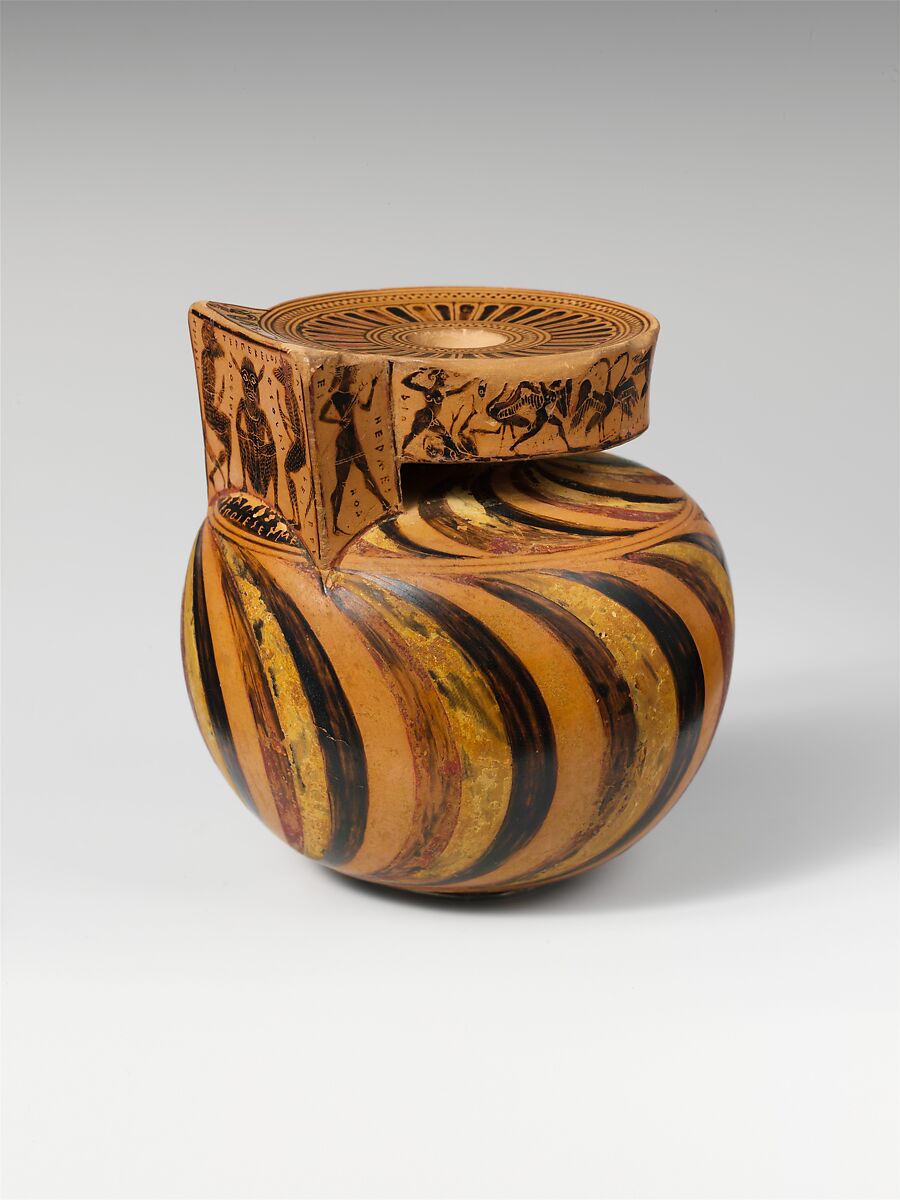
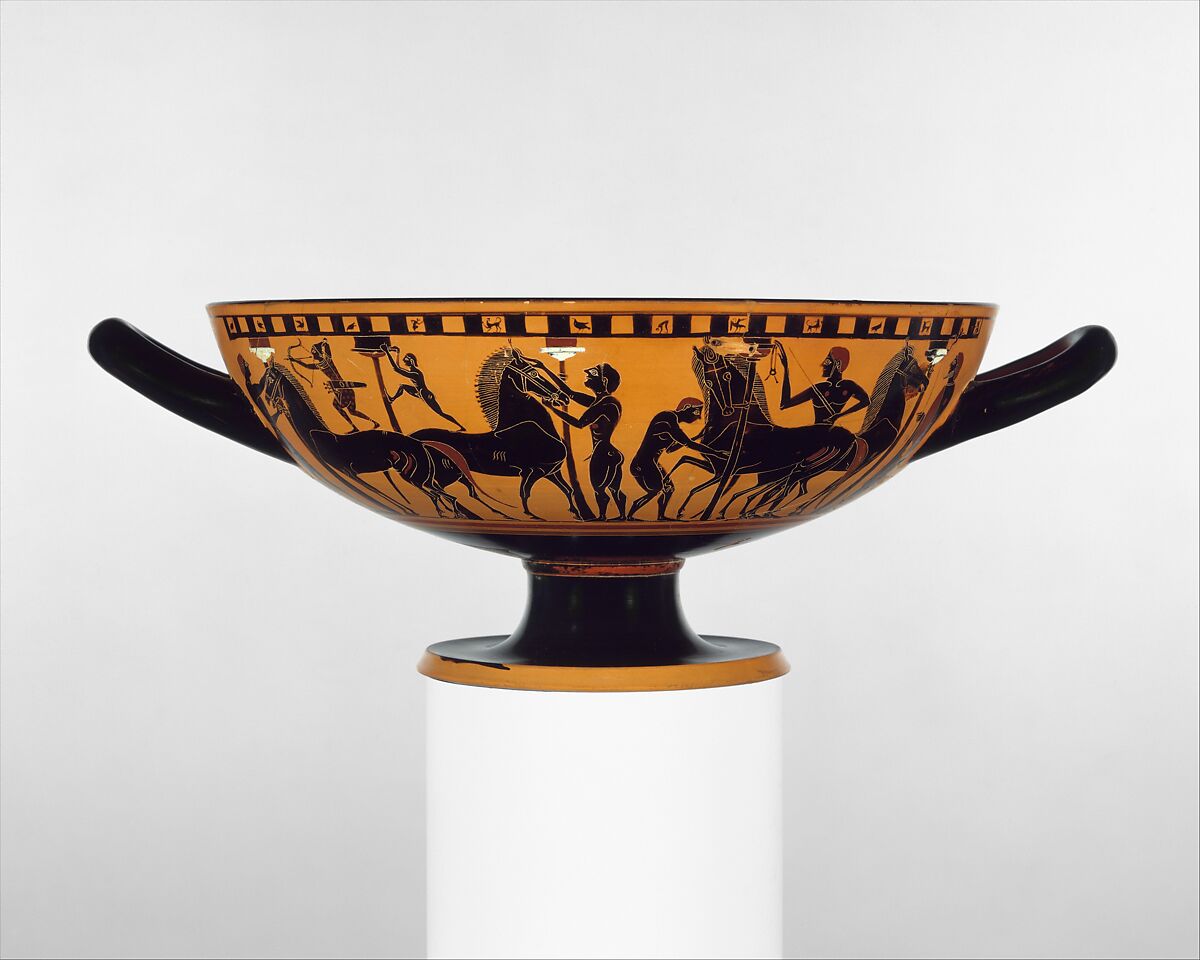
Etruscan Art refers to the visual art created by the ancient Etruscan civilization in central Italy between the 8th and 3rd centuries BCE. Known for its distinctive style and techniques, Etruscan Art became famous for its exceptional metalworking skills, most notably in bronze. The art primarily focused on depicting daily life, religious rituals, and mythology of the Etruscan people. The use of vibrant colors, intricate details, and naturalistic elements are characteristic of this style.

View StyleExplore Style
Example of visual style of Fantasy Filmmaking

Fantasy Filmmaking

Fantasy Filmmaking is a visual style characterized by its imaginative and magical elements. It often combines elements of mythology, folklore, and fairy tales to create a world of wonder and enchantment. This style gained popularity in the early 20th century with iconic films like 'The Wizard of Oz' (1939) and 'Snow White and the Seven Dwarfs' (1937). The use of vibrant colors, otherworldly creatures, and breathtaking landscapes are key features that made this style famous. It transports viewers to fantastical realms filled with dragons, witches, and heroic quests, captivating audiences with its sense of wonder and escapism.

View StyleExplore Style
Example of visual style of Hellenistic Art

Hellenistic Art

Hellenistic Art flourished between the 4th century BC and the 1st century BC. It is known for its realistic and dramatic representations, emotional expressions, and an emphasis on intricate details. Influenced by Greek culture and mythology, this style gained fame for its lively and dynamic compositions. Hellenistic Art is characterized by a focus on individualism, movement, and the portrayal of intense emotions, often depicted through grand sculptures and elaborate mosaics.

View StyleExplore Style
Example of visual style of Hirofumi Taniguchi

Hirofumi Taniguchi

Hirofumi Taniguchi is a Japanese artist known for his unique and vibrant visual style. His works emerged in the late 20th century and gained popularity in the 1990s. Taniguchi's style is characterized by bold and colorful compositions, intricate patterns, and a fusion of traditional Japanese art techniques with modern elements. His use of vibrant colors and intricate details captivates viewers and brings a sense of energy to his artwork. Taniguchi's work often explores themes of nature, mythology, and spirituality, creating a vivid and surreal visual experience.

View StyleExplore Style
Example of visual style of Ian McCaig

Ian McCaig

Ian McCaig is a renowned concept artist and illustrator known for his distinctive and imaginative visual style. His work is characterized by its intricate detail, evocative storytelling, and richly textured and dynamic imagery. McCaig gained significant recognition for his work on the Star Wars films, particularly for designing iconic characters such as Darth Maul and Queen Amidala. His style blends elements of fantasy, science fiction, and mythology, creating captivating and memorable visuals. McCaig's contributions to the world of concept art have made him a highly influential figure in the industry.

View StyleExplore Style
Example of visual style of James Jean

James Jean

James Jean is a Taiwanese-American visual artist known for his highly detailed and whimsical paintings. He gained popularity in the early 2000s for his work as a cover artist for comic books, particularly for his iconic covers for the hit series 'Fables'. Jean's style is characterized by his masterful use of intricate linework, vibrant colors, and a dreamlike quality. His work often incorporates elements of fantasy, mythology, and nature, and is influenced by Eastern and Western artistic traditions. James Jean's stunning imagery and technical skill have made him one of the most renowned artists of his generation.

View StyleExplore Style
Example of visual style of Mimmo Paladino

Mimmo Paladino

Mimmo Paladino is an Italian artist known for his unique visual style that combines modern and primitive elements. Born in 1948, Paladino rose to prominence in the 1980s with his distinctive imagery characterized by simplified figures, bold lines, and vibrant colors. His style draws inspiration from ancient art, folklore, and mythology, intertwining them with contemporary visual language. Paladino's artworks often convey a sense of mystery and spirituality, inviting viewers to explore the depths of the subconscious. His innovative approach to figurative art made him a leading figure in the Italian Transavanguardia movement, gaining international recognition for his work.

View StyleExplore Style
Example of visual style of Pierre Et Gilles

Pierre Et Gilles

Pierre et Gilles is a collaborative artist duo consisting of Pierre Commoy and Gilles Blanchard. This visual style emerged in the 1970s and became famous for their unique blend of photography and painting. Their works often feature highly stylized portraits of celebrities and everyday individuals, combining elements of pop art, kitsch, and homoeroticism. Pierre et Gilles gained recognition in the 1980s for their vibrant and meticulously staged compositions that challenge traditional notions of beauty and gender, exploring themes of desire, religion, and mythology.

View StyleExplore Style

Example of visual style of Pre Raphaelite Brotherhood

Pre Raphaelite Brotherhood

The Pre Raphaelite Brotherhood was a mid-19th century artistic movement in England. It was famous for its meticulous attention to detail, vibrant colors, and a return to the religious and literary themes of the early Renaissance. The members of the Brotherhood sought to reject the industrialization and mass production of the Victorian era, and instead focused on producing art in a more sincere and genuine manner. They aimed to capture beauty in its purest form, often depicting scenes from mythology, literature, and history. The movement gained significant recognition and influence in the art world during its peak years from 1848 to 1853.

View StyleExplore Style
Example of visual style of Sarmatian Culture

Sarmatian Culture

Sarmatian Culture refers to the visual style and artistic expressions of the Sarmatians, a group of ancient Iranian nomadic peoples who flourished from the 5th century BC to the 4th century AD. The art of Sarmatian Culture was famous for its rich symbolism, intricate designs, and vibrant colors. It often depicted scenes from daily life, warfare, and mythology. The Sarmatians were known for their exceptional horsemanship, and this was a prominent theme in their art. With influences from various cultures they encountered, Sarmatian art became famous for its unique blend of Scythian, Hellenistic, and Asiatic styles, creating a visually captivating and distinct aesthetic.

View StyleExplore Style
Example of visual style of Sokari Douglas Camp

Sokari Douglas Camp

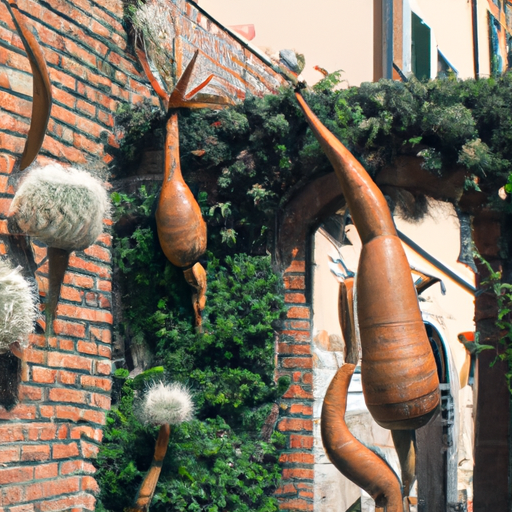
Sokari Douglas Camp is a visual style that emerged in the late 20th century. Known for her sculpture work, Sokari Douglas Camp gained prominence in the 1980s for her innovative use of materials such as steel to create bold and dynamic sculptures. Her works often depict figures or symbols inspired by African traditions and mythology. With her unique fusion of traditional African art forms and contemporary aesthetics, Sokari Douglas Camp has become a renowned artist, globally recognized for her contribution to the contemporary art scene.

View StyleExplore Style
Example of visual style of Willy Pogany

Willy Pogany

Willy Pogany was a Hungarian-American artist and illustrator known for his distinctive Art Nouveau and Art Deco style. Active in the late 19th and early 20th centuries, Pogany's work became famous for its intricate detail, graceful lines, and vibrant colors. His illustrations often featured fantastical and mythological themes, capturing the imagination of viewers. Pogany gained recognition for his illustrations in books such as 'The Rime of the Ancient Mariner' and 'The Rubaiyat of Omar Khayyam'. His style became influential and popular during the height of the Art Nouveau movement in the late 19th century and continued to be praised during the Art Deco era of the 1920s and 1930s.

View StyleExplore Style
Example of visual style of Yoshitaka Echizenya

Yoshitaka Echizenya

Yoshitaka Echizenya is a Japanese artist known for his vibrant and surreal visual style. His works emerged in the late 20th century and continue to be influential today. Echizenya's style is characterized by his bold use of colors, intricate patterns, and fantastical elements. His unique designs often incorporate themes from nature, mythology, and pop culture, creating a fusion of traditional and contemporary aesthetics. Echizenya gained recognition for his innovative approach and ability to create visually captivating and thought-provoking compositions.

View StyleExplore Style
Home