
StylopediaStylopedia

Mythological themes styles on Stylopedia

A visual encyclopedia of mythological themes styles – use as prompt inspiration for Midjourney, Gemini, or ChatGPT AI when making mythological themes images

Example of visual style of Anselm Kiefer Exhibition

Anselm Kiefer Exhibition

Anselm Kiefer Exhibition is characterized by a unique and powerful visual style that combines elements of painting, sculpture, and installation art. It emerged in the late 20th century and became famous for its exploration of complex historical, mythological, and philosophical themes. Anselm Kiefer's works often evoke a sense of melancholy and contemplation, with large-scale and heavily textured pieces that incorporate a wide range of materials, such as lead, ash, straw, and glass. The exhibition showcases Kiefer's masterful use of symbolism, juxtaposition, and layering to convey deep emotional and intellectual messages.

View StyleExplore Style
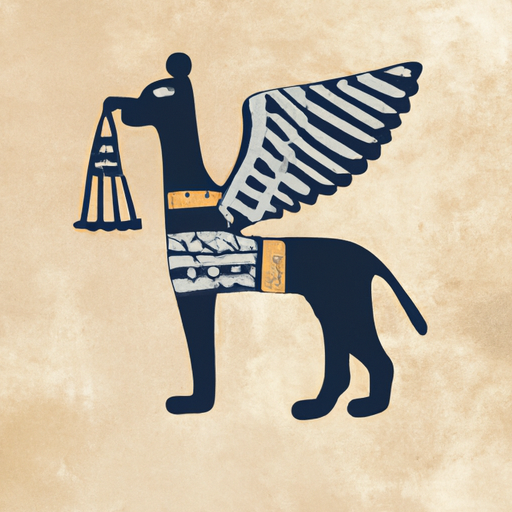
Example of visual style of Mythological Art

Mythological Art

Mythological Art is a visual style that emerged in ancient civilizations and later reemerged during the Renaissance and Neoclassical periods. It depicts mythological themes and figures from various cultures, including Greek, Roman, Egyptian, and Norse mythologies. Notable years for this style include the ancient Greek and Roman periods, as well as the revival during the 15th to 19th centuries. Mythological Art became famous for its intricate detailing, vibrant colors, and grandiose compositions. It often portrays gods, goddesses, heroes, and supernatural creatures, showcasing epic narratives and symbolic representations.

View StyleExplore Style
Example of visual style of Rococo

Rococo

Rococo is a decorative and ornate art style that flourished in Europe during the 18th century. It reached its peak in the mid-1700s and was especially popular in France. Rococo is characterized by its emphasis on lavish decoration, delicate details, and a playful and lighthearted atmosphere. This style is known for its use of pastel colors, intricate patterns, curvaceous forms, and motifs inspired by nature. Notable features include asymmetric designs and the portrayal of romantic and mythological themes. Rococo became famous for its association with the French aristocracy and its luxurious and extravagant interiors.

View StyleExplore Style
Example of visual style of Sandro Botticelli

Sandro Botticelli

Sandro Botticelli was an Italian painter from the Early Renaissance period. His visual style is characterized by delicate, graceful figures, soft colors, and a poetic atmosphere. Active during the 15th century, Botticelli is famous for his iconic works such as 'The Birth of Venus' and 'Primavera'. His art often depicted mythological themes and Christian subjects, combining a sense of beauty, elegance, and spirituality. Botticelli's attention to detail and use of flowing lines created a distinctive aesthetic that continues to inspire artists to this day.

View StyleExplore Style
Example of visual style of Uemura Shoen

Uemura Shoen

Uemura Shoen was a prominent Japanese painter known for her elegant and poetic style. Active during the late 19th and early 20th centuries, Shoen's art gained fame for its unique representation of traditional Japanese beauty, particularly of women. Her style was characterized by graceful brushwork, delicate colors, and attention to intricate details. Shoen's paintings often depicted historical and mythological themes, capturing the essence of Japan's cultural heritage. She became famous for her series of bijinga, or paintings of beautiful women, which showcased a fusion of traditional and modern elements. These captivating artworks made Shoen one of the most notable female artists in Japanese history.

View StyleExplore Style
Home