StylopediaStylopedia

Mythological styles on Stylopedia

A visual encyclopedia of mythological styles – use as prompt inspiration for Midjourney, Gemini, or ChatGPT AI when making mythological images

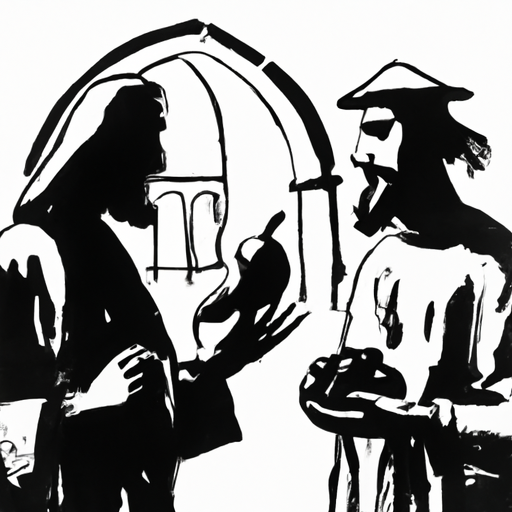
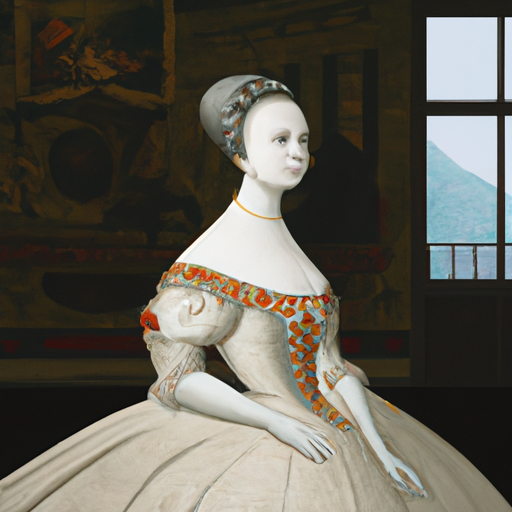
Example of visual style of Albrecht Durer

Albrecht Durer

Albrecht Durer, a German artist of the Renaissance period, was known for his meticulous attention to detail and technical skill. Active in the late 15th and early 16th centuries, Durer's work became famous for its realistic and precise portrayal of the natural world. His style is characterized by intricate linework, rich textures, and a strong sense of composition. Durer's prints, engravings, and paintings often featured religious and mythological subjects, as well as landscapes and portraits. His exceptional talent and innovative techniques made him one of the most influential artists of his time.

View StyleExplore Style
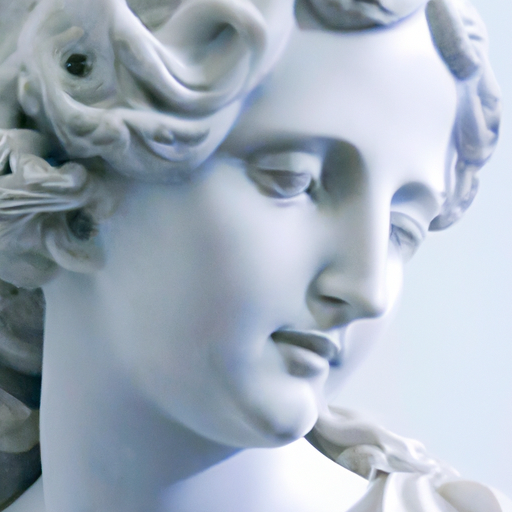
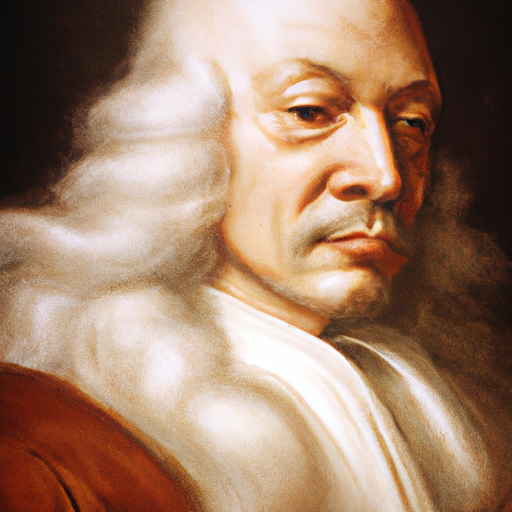
Example of visual style of Artemisia Gentileschi

Artemisia Gentileschi

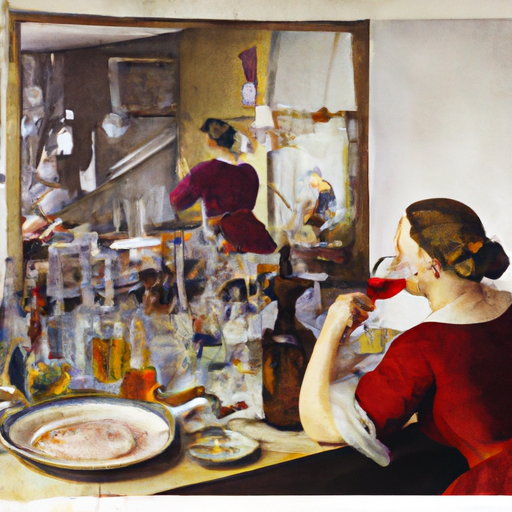
Artemisia Gentileschi was an Italian Baroque painter who became famous for her powerful, dramatic, and often visceral depictions of biblical and mythological women. Active during the 17th century, her style is characterized by dynamic compositions, rich colors, and a focus on the emotional intensity of her subjects. Gentileschi's work is known for its emphasis on female protagonists, as well as her use of chiaroscuro and naturalistic details. She is regarded as one of the most important female artists of her time.

View StyleExplore Style
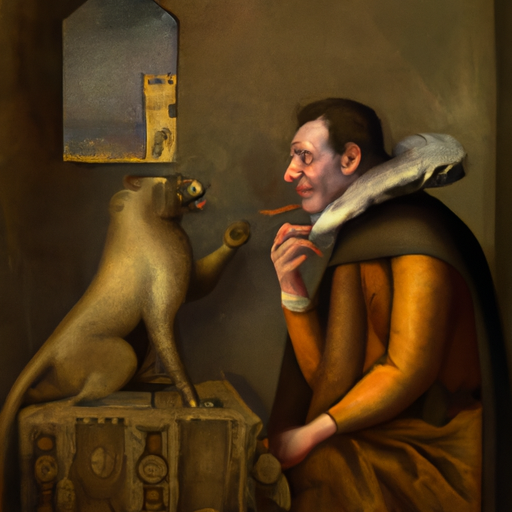
Example of visual style of Barbarian Art

Barbarian Art

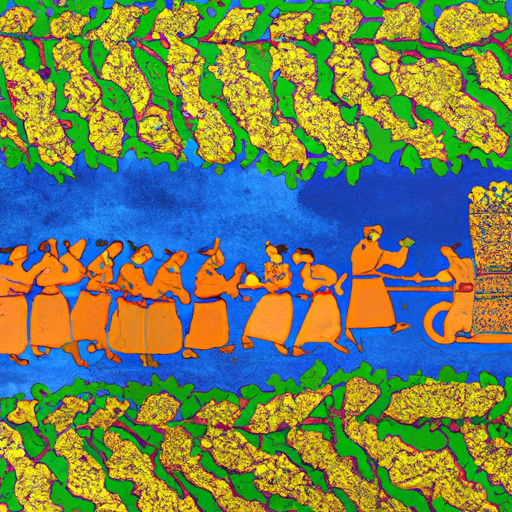
Barbarian Art is a style originating from the early medieval period, specifically from the 5th to the 9th century AD. This unique art form gained prominence in various European regions, notably in Celtic, Germanic, and Viking cultures. It is characterized by intricate and bold designs, typically featuring mythological creatures, warriors, and scenes of battle. The use of vibrant colors, intricate patterns, and energetic compositions are the defining features of Barbarian Art, which captured the spirit of the wild and untamed cultures of that time.

View StyleExplore Style
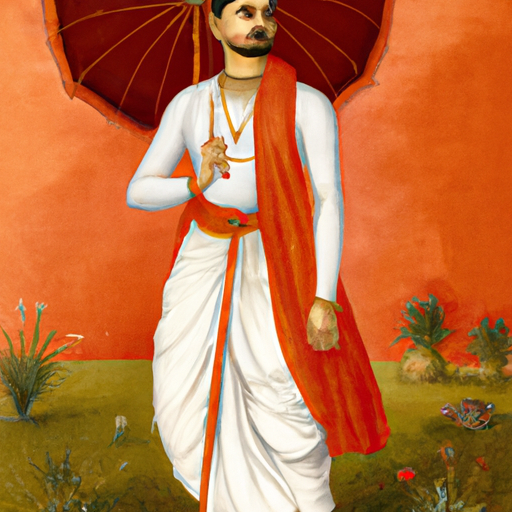
Example of visual style of Baroque Painting

Baroque Painting

Baroque painting originated in Italy during the late 16th century and reached its peak in the 17th century. Characterized by its dramatic and extravagant style, Baroque painting is known for its grandeur, emotional intensity, and vivid use of color and light. This style was famous for its religious and mythological subject matter, often depicting scenes of intense emotion, gestures, and theatrical compositions. The Baroque period was marked by the artistic achievements of influential artists such as Caravaggio, Peter Paul Rubens, and Rembrandt, who contributed to the popularity and recognition of Baroque painting.

View StyleExplore Style
Example of visual style of Dean Cornwell

Dean Cornwell

Dean Cornwell was an American illustrator known for his dynamic and highly detailed images. Active during the early to mid-20th century, Cornwell's work became famous for its rich color palette and meticulous attention to detail. His illustrations often depicted scenes of historical events, classical mythology, and popular fiction. Cornwell's style gained recognition for its ability to capture the energy and grandeur of the subjects he portrayed, making his works stand out in the world of American illustration.

View StyleExplore Style
Example of visual style of Edward Burne Jones

Edward Burne Jones

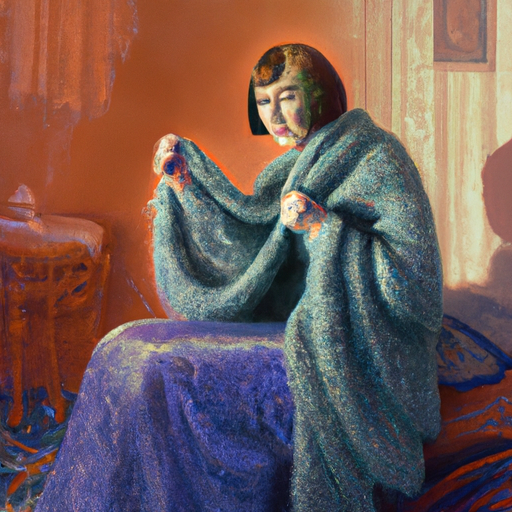
Edward Burne Jones was an English artist and designer associated with the Pre-Raphaelite movement. He is known for his intricate and detailed illustrations, paintings, and stained glass designs. Active during the Victorian era in the late 19th and early 20th centuries, his work is characterized by romantic and mythological themes, vibrant colors, and a focus on beauty and idealized figures. Burne Jones' exquisite attention to detail and use of symbolism made him famous as one of the leading figures in the Pre-Raphaelite movement.

View StyleExplore Style
Example of visual style of Enzo Cucchi

Enzo Cucchi

Enzo Cucchi is an Italian artist known for his contribution to the Transavanguardia movement in the 1980s. His visual style is characterized by expressive and symbolic imagery, often featuring primitive and mythological elements. Cucchi's works are highly personal and imbued with spiritual and emotional themes. His use of bold colors, strong brushwork, and rough texture creates a raw and vibrant atmosphere. Cucchi's works gained international recognition in the 1980s, especially during the Biennale exhibitions, and he became an influential figure in Italian contemporary art.

View StyleExplore Style
Example of visual style of Exekias

Exekias

Exekias was a Greek black-figure vase painter and potter who worked in Athens during the late 6th century BC. He is known for his precise, detailed and highly skilled artistic style. Exekias became famous for his development of the black-figure technique, which involved painting figures and scenes on pottery in black silhouette against a reddish clay background. His works were highly sought after due to their exceptional quality and realistic depiction of mythological and everyday subjects.

View StyleExplore Style
Example of visual style of Francois Boucher

Francois Boucher

Francois Boucher was a French painter during the Rococo period in the mid-18th century. Known for his delicate and graceful style, Boucher's works often depicted mythological and romantic themes. His art became famous for its lush colors, intricate details, and sensual compositions. Boucher was the favorite painter of Madame de Pompadour, the mistress of King Louis XV, which further elevated his status and popularity. His style was influential in defining the Rococo aesthetic and capturing the essence of the era.

View StyleExplore Style
Example of visual style of Gustave Moreau

Gustave Moreau

Gustave Moreau was a French Symbolist painter who was active from the mid-19th to early 20th century. His visual style can be described as dreamlike and fantastical, often depicting mythological and biblical themes. Moreau's use of vibrant and intense colors, intricate detail, and symbolism set him apart from his contemporaries and made him famous. His works became iconic for their mystical and imaginative qualities, blending religious, historical, and mythical elements into visually stunning compositions.

View StyleExplore Style
Example of visual style of Jacopo Pontormo

Jacopo Pontormo

Jacopo Pontormo was an Italian painter from the late Renaissance period. He was active in the early 16th century, particularly between 1512 and 1557. Pontormo's style is characterized by his use of vibrant and intense colors, elongated proportions, complex compositions, and a sense of emotional intensity and drama. His works often depict religious and mythological subjects, with a focus on expressing inner turmoil and psychological tension. Pontormo's art is famous for its innovative approach to form and composition, which had a profound influence on the development of Mannerism.

View StyleExplore Style
Example of visual style of Jacques Louis David

Jacques Louis David

Jacques Louis David was a prominent neoclassical painter in the late 18th to early 19th century. He is known for his highly precise and detailed compositions, often depicting historical and mythological subjects. David's works were characterized by their sharp lines, clear forms, and intense use of light and shadow. His paintings were highly structured and idealized, often showcasing heroic figures and scenes of political significance. Some of his famous works include 'The Death of Socrates' (1787) and 'Napoleon Crossing the Alps' (1801). David's style became famous for its grandeur, dramatic storytelling, and allegiance to classical ideals.

View StyleExplore Style
Example of visual style of Theodore Chasseriau

Theodore Chasseriau

Theodore Chasseriau was a 19th-century French painter known for his romantic and Orientalist style. Active between 1836 and 1856, Chasseriau's work gained fame for its exotic subject matter, vibrant colors, and precise brushwork. His paintings often depicted mythological, historical, and biblical scenes, infused with a sense of drama and sensuality. Chasseriau's style was influenced by both Neoclassicism and Romanticism, creating a unique blend of grandeur and emotional intensity that captivated viewers of his time.

View StyleExplore Style
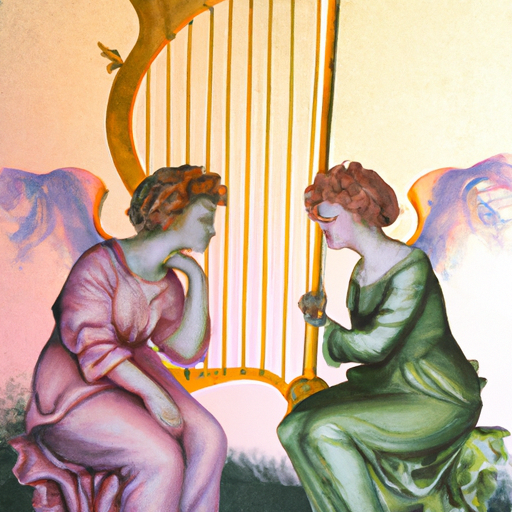
Example of visual style of William Adolphe Bouguereau

William Adolphe Bouguereau

William Adolphe Bouguereau was a French academic painter known for his realistic and idealized portrayals of women and mythological subjects. He gained popularity during the late 19th and early 20th centuries for his meticulous attention to detail, use of delicate brushwork, and emphasis on traditional academic techniques. Bouguereau's works were celebrated for their technical proficiency and sentimental subject matter, often depicting classical themes with a focus on beauty and sensuality. He achieved great fame and success in his lifetime and became one of the leading figures of the academic art movement.

View StyleExplore Style
Example of visual style of William Blake

William Blake

The visual style of William Blake, an English poet and artist from the Romantic period, is characterized by intricate, fantastical, and mystical imagery. Blake's style emerged in the late 18th century and remained influential throughout the 19th century. His unique combination of visionary illustrations and poetic texts made him famous as a poet-artist. Blake's distinct style often portrayed biblical and mythological subjects with vibrant colors, detailed figures, and swirling compositions.

View StyleExplore Style
Home