StylopediaStylopedia

Mythical styles on Stylopedia

A visual encyclopedia of mythical styles – use as prompt inspiration for Midjourney, Gemini, or ChatGPT AI when making mythical images

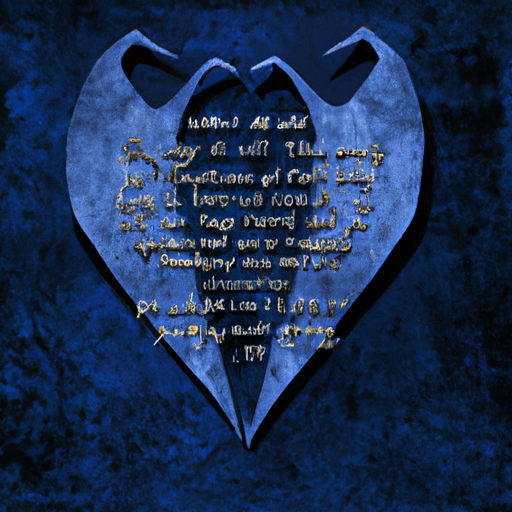
Example of visual style of Fantasy Films

Fantasy Films

Fantasy Films is a visual style that focuses on creating magical and imaginative worlds through the use of special effects and otherworldly elements. This style became famous in the early 20th century with the advent of cinema and the desire to transport audiences into fantastical realms. It gained popularity with iconic films such as The Wizard of Oz (1939) and later with franchises like The Lord of the Rings (2001-2003) and Harry Potter (2001-2011). Through the use of enchanting settings, mythical creatures, and epic narratives, fantasy films captivate viewers with their ability to suspend reality and immerse audiences in extraordinary storytellings.

View StyleExplore Style
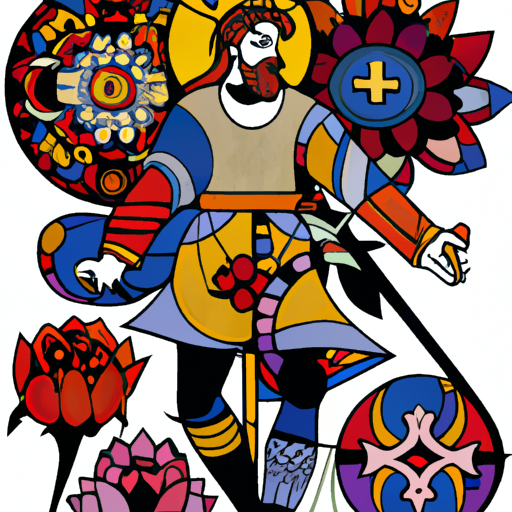
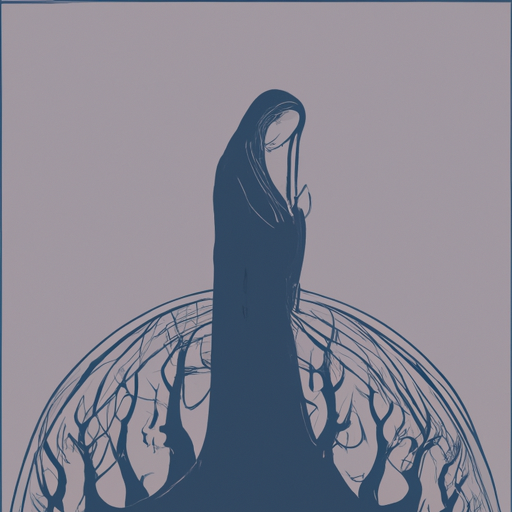
Example of visual style of J.R.R. Tolkien

J.R.R. Tolkien

J.R.R. Tolkien's visual style is characterized by intricate and detailed illustrations that bring to life the fantastical worlds he created in his novels. Active from the early 20th century to the late 1970s, Tolkien's art gained fame through his renowned novels such as 'The Hobbit' and 'The Lord of the Rings'. His drawings and paintings showcase his talent in crafting highly imaginative and mythical landscapes, creatures, and characters. With his attention to intricate details and rich symbolism, Tolkien's visual style has become iconic in the realm of fantasy art and literature.

View StyleExplore Style
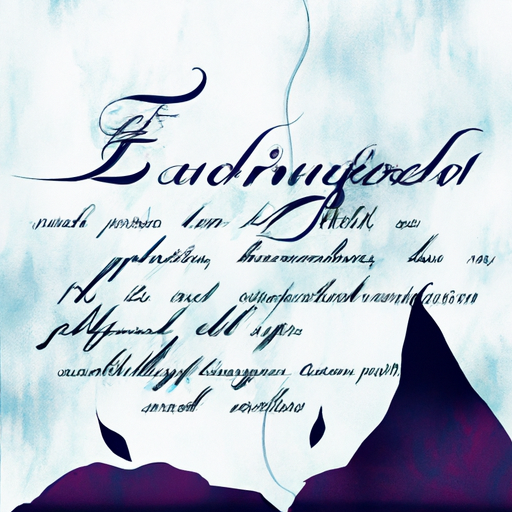
Example of visual style of Middle Earth

Middle Earth

Middle Earth is a visual style inspired by J.R.R. Tolkien's fictional universe as depicted in 'The Lord of the Rings' and 'The Hobbit'. It gained prominence through Peter Jackson's film adaptations of these works released between 2001 and 2014. This style is characterized by its rich and intricate fantasy world, with sprawling landscapes, ancient ruins, majestic castles, and fantastical creatures. The visual style of Middle Earth blends elements of medieval, gothic, and fantastical design to create a unique and immersive world.

View StyleExplore Style
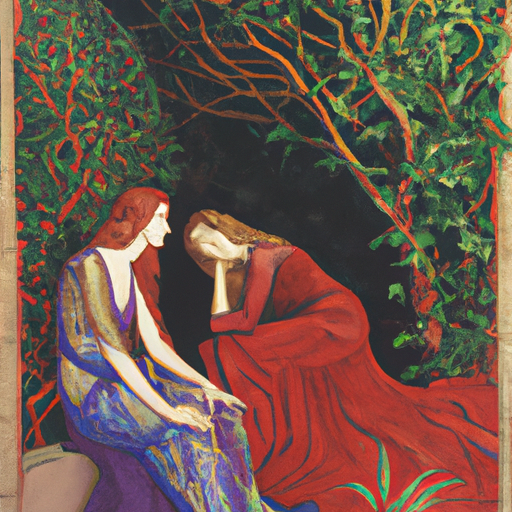
Example of visual style of Sir Edward Burne-Jones

Sir Edward Burne-Jones

Sir Edward Burne-Jones was an English artist and designer associated with the Pre-Raphaelite movement. Born in 1833, he was one of the most prominent figures in the late 19th-century British art scene. Burne-Jones's style is characterized by its romantic and mythical subject matter, intricate compositions, and meticulous attention to detail. He drew inspiration from Renaissance art, medieval legends, and classical mythology. His works often feature elongated figures, rich colors, and decorative patterns. Burne-Jones's art was known for its dreamlike and ethereal quality, transporting viewers into a mystical, otherworldly realm. His illustrations, stained glass windows, tapestries, and paintings gained him recognition and admiration both in his lifetime and posthumously.

View StyleExplore Style
Example of visual style of Walter Crane

Walter Crane

Walter Crane was an influential British artist and designer known for his contributions to the Arts and Crafts movement in the late 19th and early 20th centuries. His visual style is characterized by intricate and detailed illustrations, often featuring mythical and allegorical themes. Crane's use of vibrant colors and naturalistic forms made his work highly sought after during the Victorian era. He was particularly renowned for his illustrations in children's books and his influential role in the development of the nursery rhyme picture book genre.

View StyleExplore Style
Home