StylopediaStylopedia

Muted colors styles on Stylopedia

A visual encyclopedia of muted colors styles – use as prompt inspiration for Midjourney, Gemini, or ChatGPT AI when making muted colors images

Example of visual style of George Orwell

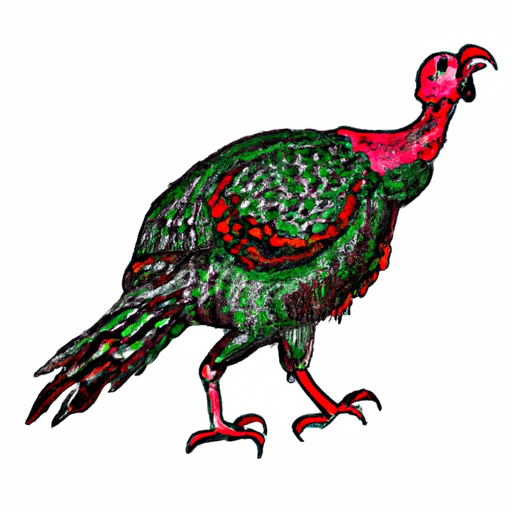
George Orwell

The George Orwell visual style is a minimalist and dystopian style that emerged primarily during the mid-20th century. It is characterized by stark and simple designs, often featuring muted colors and industrial aesthetics. This style gained popularity following the publication of George Orwell's iconic dystopian novel, '1984,' in 1949. The novel's themes of government surveillance, manipulation, and control heavily influenced the visual style associated with it.

View StyleExplore Style
Example of visual style of Giorgio Morandi

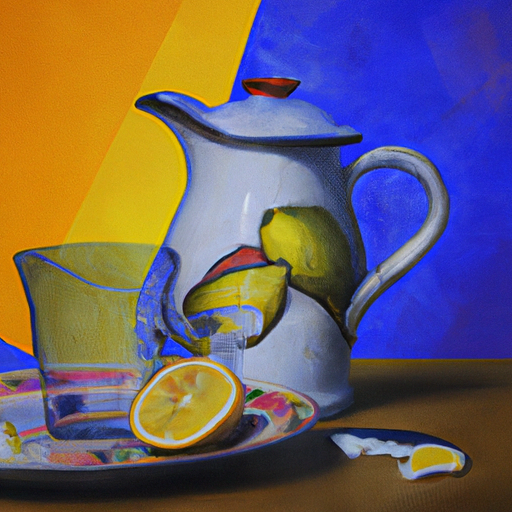
Giorgio Morandi

Giorgio Morandi was an Italian painter known for his distinctive still life compositions. His style emerged in the early 20th century and reached its peak during the 1930s and 1940s. Morandi's work is characterized by muted colors, blurred edges, and a meticulous attention to detail. His paintings predominantly feature simple objects such as bottles, vases, and bowls arranged in carefully balanced compositions. Morandi's ability to capture the essence of these mundane objects and infuse them with a sense of poeticism made his work famous and highly regarded in the art world.

View StyleExplore Style
Example of visual style of Jean Baptiste Camille Corot

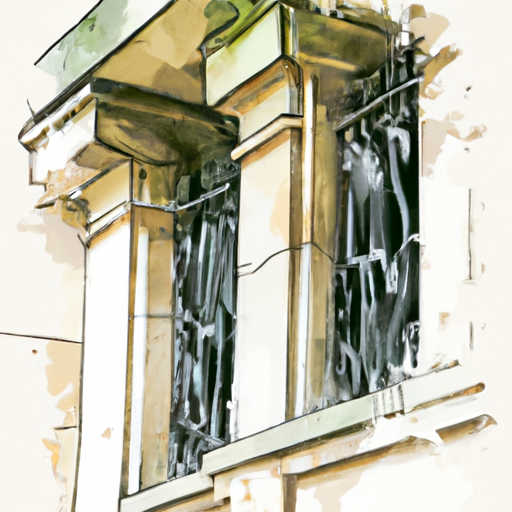
Jean Baptiste Camille Corot

Jean Baptiste Camille Corot was a French landscape painter of the 19th century. His style, known as Corotism, is characterized by soft, delicate brushwork, a muted color palette, and a lyrical atmosphere. Corot became famous for his plein air paintings, which captured the essence of the natural world. His works often depicted tranquil landscapes, with a focus on the play of light and shadow. Corot's paintings had a significant influence on the development of Impressionism.

View StyleExplore Style
Example of visual style of Maurice Sendak

Maurice Sendak

Maurice Sendak's visual style, which emerged in the mid-20th century, is renowned for its whimsical and dark illustrations that capture the imagination of both children and adults. He gained fame with his iconic book 'Where the Wild Things Are' published in 1963, which showcased his ability to portray complex emotions through his characters and settings. Sendak's mastery of intricate line work, cross-hatching, and use of muted colors sets his visual style apart. His ability to blend both realism and imagination creates an enchanting and dream-like world that has captivated generations.

View StyleExplore Style
Example of visual style of Piero Gherardi

Piero Gherardi

Piero Gherardi was an Italian production designer and costume designer, known for his work in the Italian neorealist cinema of the 1940s and 1950s. Gherardi's visual style is characterized by a meticulous attention to detail, understated elegance, and a focus on the human condition. His designs often captured the gritty reality of post-war Italy, using muted colors, worn textures, and deceptively simple compositions. Gherardi's work was famous for its ability to convey the emotions and inner lives of characters through visual elements, creating a powerful and atmospheric backdrop for the storytelling. His collaborations with directors such as Federico Fellini and Luchino Visconti brought him international acclaim.

View StyleExplore Style
Example of visual style of Pierre Puvis De Chavannes

Pierre Puvis De Chavannes

Pierre Puvis de Chavannes was a French painter known for his unique and influential visual style that bridged the gap between traditional academic art and the emerging Symbolist movement. Active during the mid to late 19th century, his style became famous for its ethereal atmosphere, dreamlike quality, and monumental compositions. Puvis de Chavannes incorporated elements of classical mythology, allegorical figures, and simplified forms to convey his poetic and philosophical ideas. His emphasis on flat and muted colors, along with a preference for symbolic storytelling, made his works distinct and influential in the art world of his time.

View StyleExplore Style
Example of visual style of Simon Stålenhag

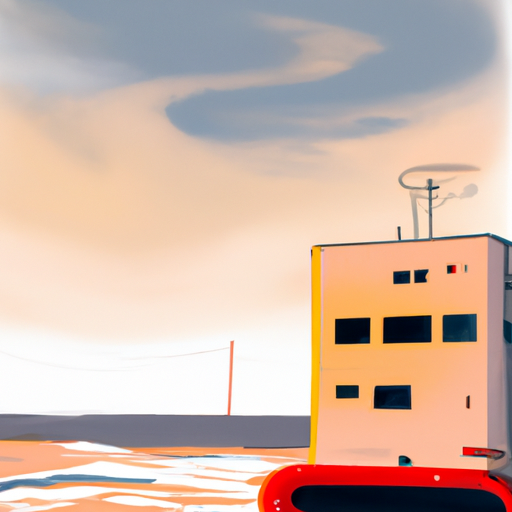
Simon Stålenhag

Simon Stalenhag is a Swedish artist known for his unique and captivating visual style that combines elements of science fiction, nostalgia, and rural landscapes. He gained prominence in the early 2010s through his atmospheric digital paintings depicting futuristic technology seamlessly integrated into rural environments. Stalenhag's works evoke a sense of mystery and wonder, often featuring abandoned or decaying structures and vehicles. His use of muted colors and attention to detail create a haunting yet beautiful aesthetic. Stalenhag's style became famous through his books 'Tales from the Loop' (2014) and 'The Electric State' (2017), which showcased his signature blend of science fiction and retro elements.

View StyleExplore Style
Example of visual style of The Fall

The Fall

The Fall is a visual style characterized by dark and moody aesthetics, primarily used in cinematography and photography. It gained popularity in the late 1990s and early 2000s, and is known for its use of muted colors, heavy shadows, and a sense of melancholy. It features desaturated tones and a reduced color palette, emphasizing the contrast between light and dark. The style often involves incorporating elements of nature and landscapes to create a haunting and atmospheric atmosphere. The Fall became famous for its ability to evoke emotions and tell stories through its unique visual language.

View StyleExplore Style

Home