StylopediaStylopedia

Motion styles on Stylopedia

A visual encyclopedia of motion styles – use as prompt inspiration for Midjourney, Gemini, or ChatGPT AI when making motion images

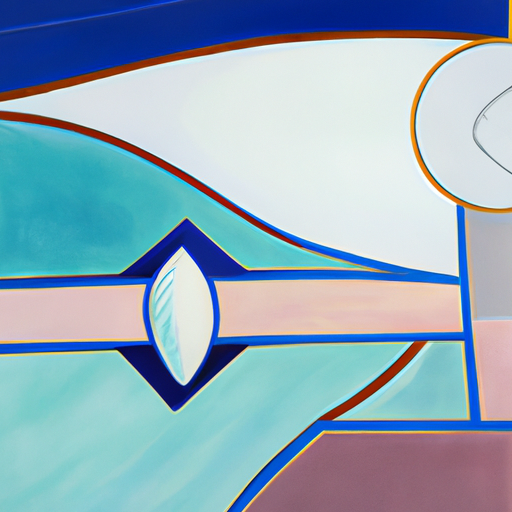
Example of visual style of Akiyoshi Kitaoka

Akiyoshi Kitaoka

Akiyoshi Kitaoka is a Japanese psychologist and artist known for his visually mesmerizing optical illusions. His style, developed in the late 1990s and popularized in the 2000s, focuses on the creation of mind-bending patterns and illusions that play with our perception of color, depth, and motion. Kitaoka's work gained fame due to its ability to deceive the viewer's visual system and create the illusion of movement or distortions in static images. His optical illusions have been widely shared online and showcased in various exhibitions, contributing to the growing interest in perceptual psychology and the appreciation of visual illusions.

View StyleExplore Style


Example of visual style of Animation

Animation

Animation is a visual style that involves bringing static images or objects to life through the illusion of motion. It has been a popular form of visual media since the early 20th century, with important milestones including the creation of the first animated film, 'The Humorous Phases of Funny Faces' by J. Stuart Blackton in 1906, and the establishment of Walt Disney Studios in 1923. Animation gained widespread fame through the introduction of sound in 'Steamboat Willie' (1928), which featured Mickey Mouse, and the release of Disney's 'Snow White and the Seven Dwarfs' in 1937, the first full-length animated feature film. Animation has since become an integral part of film and television, entertaining audiences of all ages with its imaginative storytelling and unique visual effects.

View StyleExplore Style

Example of visual style of Baroque Style

Baroque Style

Baroque style was a highly ornate and extravagant artistic style that emerged in Europe around the late 16th century and lasted until the mid-18th century. It is characterized by dramatic and grandiose forms, rich ornamentation, curved lines, and a sense of motion. Baroque architecture and art were known for their emotional intensity and theatricality. This style became famous for its opulence and splendor, as well as its ability to evoke strong emotions in viewers.

View StyleExplore Style
Example of visual style of Francesco Borromini

Francesco Borromini

Francesco Borromini was an Italian architect and prominent figure of the Baroque style in the 17th century. His architectural style is characterized by dynamic and elaborate designs, intricate use of curves, undulating walls, and a sense of motion. Borromini's innovative use of concave and convex forms, coupled with his mastery of light and shadow, created a unique and dramatic visual experience. His works were known for their grandeur, theatricality, and attention to detail. Borromini is famous for his contributions to the Church of Sant'Ivo alla Sapienza and the San Carlo alle Quattro Fontane in Rome, which are considered masterpieces of Baroque architecture.

View StyleExplore Style
Example of visual style of Giacomo Balla

Giacomo Balla

Giacomo Balla, an Italian Futurist painter, was known for his vibrant and dynamic style in the early 20th century. His work in the years 1909-1914 played a pivotal role in the development of Futurism, an art movement focused on capturing the energy and speed of modern life. Balla's famous works, such as 'Dynamism of a Dog on a Leash' (1912), showcased his innovative use of fragmented lines and repeated patterns to depict movement and motion. His art became famous for its ability to convey a sense of dynamism and speed, fulfilling the Futurist ideal of capturing the essence of modernity.

View StyleExplore Style
Example of visual style of Gil Kane

Gil Kane

Gil Kane was a comic book artist known for his dynamic and energetic style. He gained prominence in the 1960s and 1970s, particularly for his work on iconic characters like Green Lantern and Spider-Man. Kane's signature style featured bold, fluid lines, exaggerated proportions, and powerful poses, which created a sense of motion and excitement. His mastery of anatomy and expressive facial features brought his characters to life. Kane's dynamic storytelling and innovative panel layouts also contributed to his fame.

View StyleExplore Style
Example of visual style of Kinetic Art

Kinetic Art

Kinetic Art is a style of art that emerged in the mid-20th century, particularly in the 1950s and 1960s. It is characterized by artworks that incorporate movement as a central component. Often powered by motors, water, or air currents, Kinetic Art sculptures and installations create dynamic, changing visual experiences for the viewer. This style gained fame for its ability to challenge traditional notions of static art and engage the audience in an interactive and sensory manner.

View StyleExplore Style
Example of visual style of United Visual Artists

United Visual Artists

United Visual Artists (UVA) is a London-based art collective known for their immersive, interactive and technologically-driven installations. Established in the early 2000s, UVA gained prominence for their innovative approach towards merging art and technology. Their work often incorporates elements of light, sound, and motion to create mesmerizing and transformative experiences. UVA's installations have been showcased in influential art institutions and festivals worldwide, including the Victoria and Albert Museum in London and the Coachella Valley Music and Arts Festival. Through their imaginative use of technology, UVA has redefined the boundaries of visual art and created a distinct style that engages and captivates audiences.

View StyleExplore Style
Home